

Founder Interview: Jeline Ang from The Music Scientist
Where Music Meets Science to Nurture Curious Young Minds
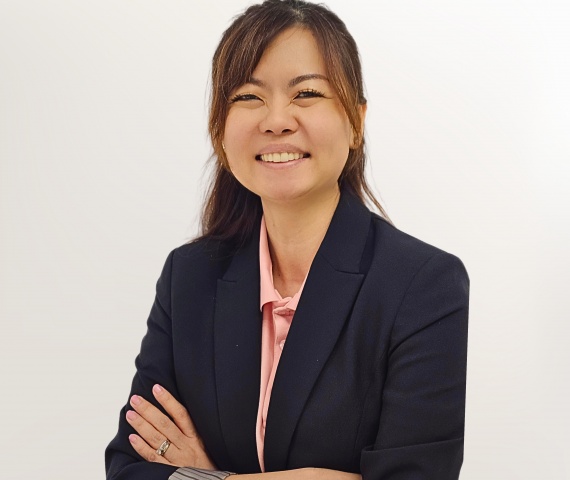
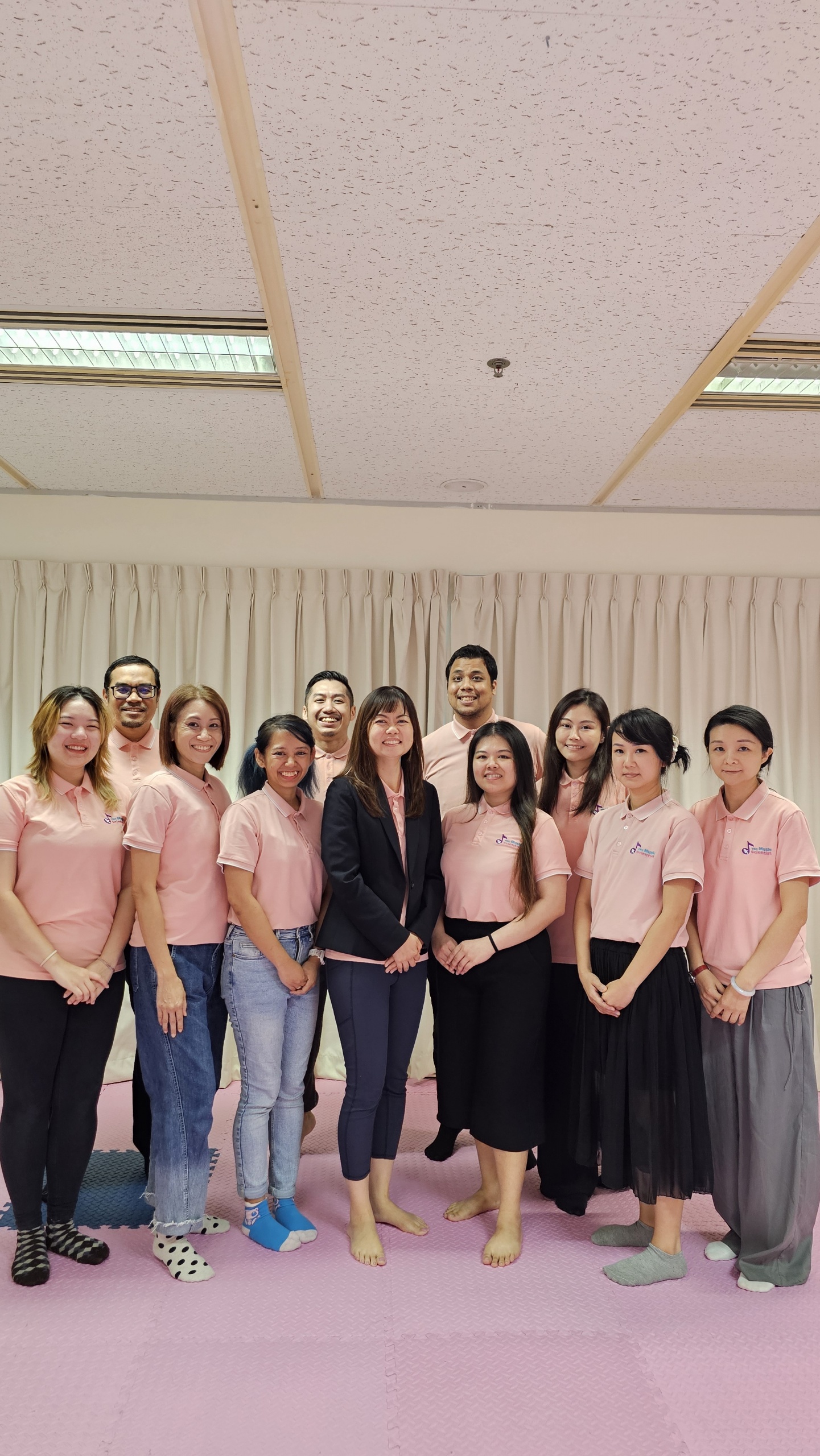
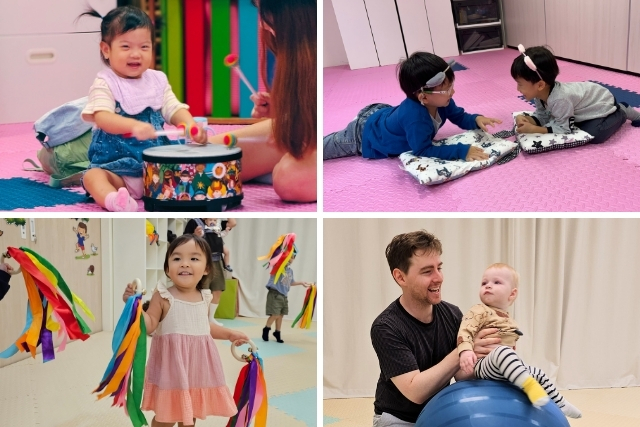
In our Skoolopedia Founder Spotlight series, we sit down with education pioneers who are reshaping how children learn and grow. Today, we feature Jeline Ang, Founder & Head of Curriculum Innovation at The Music Scientist, a unique centre that seamlessly blends music, science, movement, and sensory play for children aged 0-6 years.
About Jeline and The Music Scientist
Founded: 2017
Founder: Jeline Ang, Founder & Head of Curriculum Innovation
Unique Approach: Integrating science concepts into music education through multi-sensory, whole-brain learning experiences

The Inspiration Behind The Music Scientist
Jeline’s journey into educational innovation began during her time as a part-time music teacher. Week after week, she witnessed something remarkable: her students weren’t just excited about music—they were hungry for knowledge that went far beyond rhythm and melody.
“Their curiosity went beyond sounds and instruments,” Jeline explains. “They asked questions, wanted to know the why behind everything. That’s when it hit me: music could be more than music.”
This revelation led her to explore how science—with its wonder, logic, and everyday relevance—could be meaningfully woven into songs and movement. By giving music context, story, and real-world connections, she discovered how much more enriching and impactful the experience became for children.
“I realized there was a gap in the music enrichment industry,” she notes. “Most programs focused solely on musical skills, overlooking the opportunity to create holistic learning through multi-disciplinary integration.”
Core Mission and Educational Philosophy
Core Mission: To nurture curious, confident, and creative young minds through a unique fusion of music, science, movement, and sensory play—sparking joy in learning and building strong foundations for whole-child development.
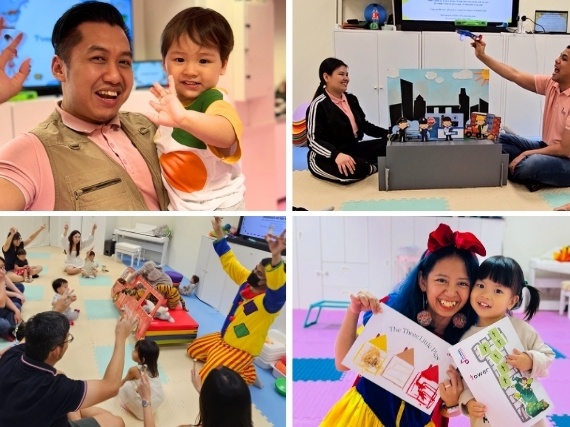
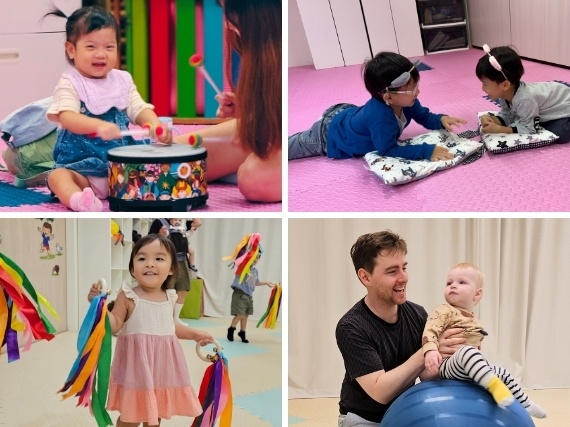
Educational Philosophy: At The Music Scientist, learning should be joyful, purposeful, and multi-sensory. Rooted in child development principles and guided by the STEAM approach, their programs engage the whole brain—connecting music with science, storytelling, and movement in ways that deepen understanding and excite natural curiosity.
“We view each child as an active, capable learner,” Jeline emphasizes. “Our goal is not just to teach—but to inspire a love for learning that children carry with them as they grow.”
What Makes Their Approach Unique
1. Music + Science = Meaningful Learning
Unlike traditional music programs focusing only on musical skills, The Music Scientist seamlessly integrates science concepts into music, movement, and storytelling, adding depth and real-world understanding to each lesson.
2. In-House Thematic Curriculum with Original Songs
Lessons are built around carefully curated themes, each featuring original songs written in-house that serve as educational tools designed to reinforce concepts in fun, age-appropriate ways.
3. Multi-Sensory & Whole-Brain Approach
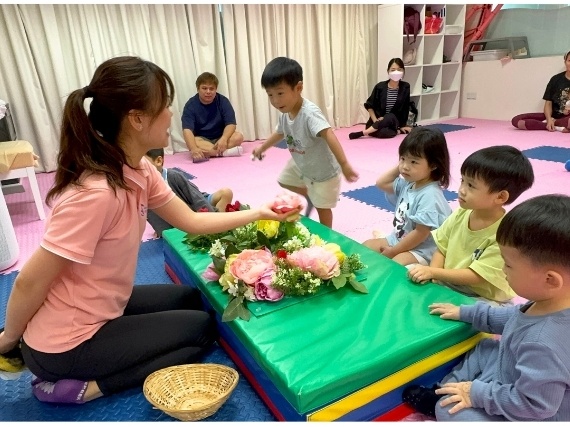
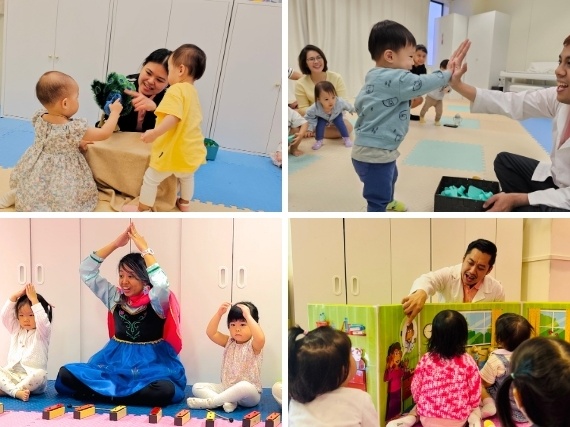
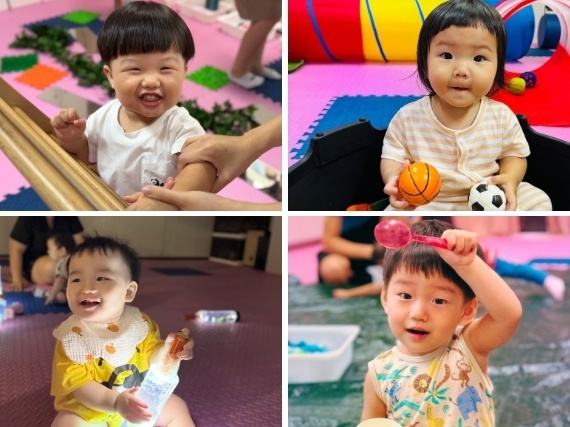
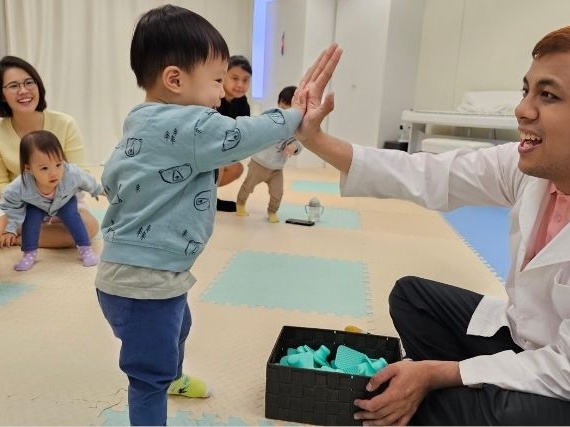
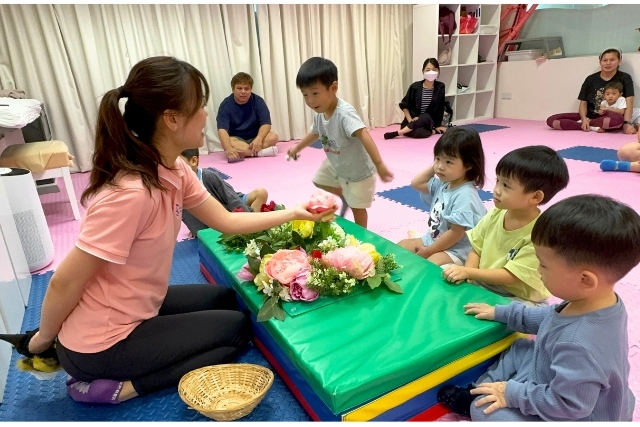
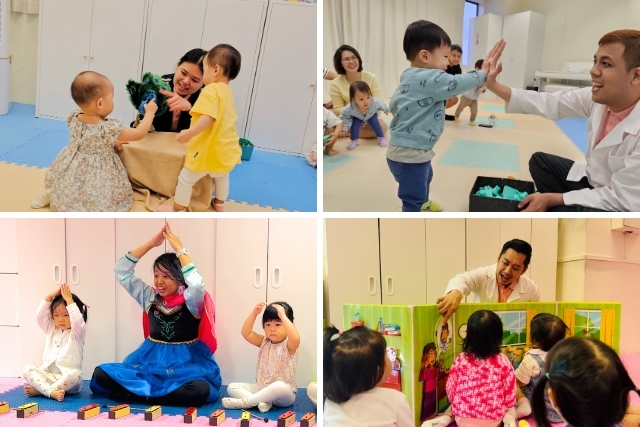
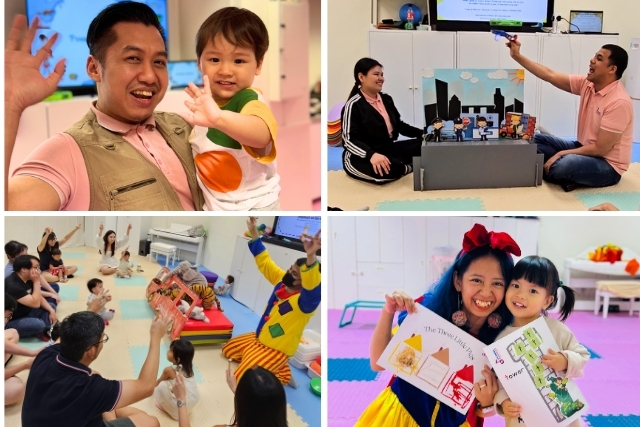
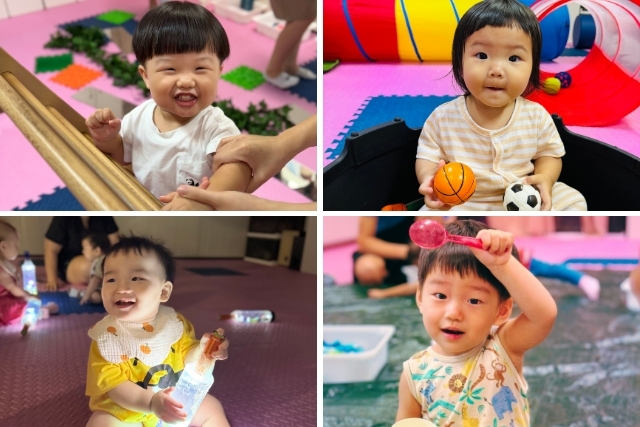
Their curriculum uses music, movement, visuals, hands-on experiments, and role-play to activate multiple intelligences and support holistic development.
4. STEAM-Based, Story-Driven Experiences
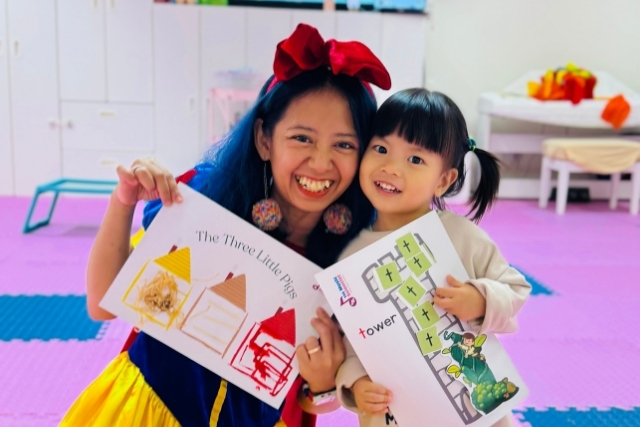
Abstract concepts come to life through story-based learning where each theme unfolds like an adventure, with children becoming characters, scientists, explorers, and musicians all in one.
5. Focus on Early Brain Development
Every activity is intentionally designed to stimulate cognitive connections during the most crucial years of brain growth, building communication skills, motor skills, confidence, curiosity, and critical thinking.
Interview Insights: Key Takeaways
Could you share a bit about your personal journey in education and what led you to start this centre?
Jeline’s path was far from traditional. With a background in construction as a contracts manager and roots in the arts (she’s from AEP – Art Elective Programme
), her journey took an unexpected turn when her father sold his business, providing her with the funds to pursue something meaningful.
“I quit my job and started doing part-time music teaching,” she recalls. “There was this moment when I was showing a little kid a picture of a dolphin while we were singing. I explained how dolphins have blowholes and are mammals—suddenly I realized there’s so much science knowledge beyond just music that we can teach children.”
This eureka moment sparked the initial concept of The Music Scientist, though Jeline admits the early days were challenging as she had to learn entrepreneurship through trial and error, describing herself as going in “blind” but driven by what would benefit children.
How do you define success for your students—and how do you help them achieve it?
Jeline’s definition of success differs markedly from traditional metrics:
“Our focus is on understanding musical concepts and internalization rather than performance pieces. We’re cultivating kinesthetic internalization of musical concepts that are helpful for a lifetime.”
She contrasts this with conventional approaches: “Other programs might have children play a piece at year-end concerts, which is good for confidence, but our objective goes back to realistic knowledge that can be applied in real life—We prioritise essential elements such as rhythm, time signatures, pitch, dynamics, and musical expression, equipping children with practical knowledge that can be applied beyond the classroom and throughout their musical journey.”
Success stories include parents using their original songs for bedtime routines and to soothe meltdowns, and graduates picking up musical instruments with enthusiasm and ease because they have a strong musical foundation.
What exciting discoveries did you make while building your center?
Jeline’s journey was filled with valuable learning experiences that ultimately shaped The Music Scientist into the wonderful program it is today:
Building the Dream Team: “I was so passionate about creating something truly special that I brought together amazing specialists—science curriculum experts, music specialists, and graphic designers—even before we had steady income. It was a leap of faith that required careful planning and creative resource management, but it allowed us to develop something truly unique from the very beginning.”
Finding Our Perfect Audience: Initially designing curriculum for 5-8 year olds, Jeline made a beautiful discovery. “We learned that parents of school-age children were naturally focused on academic readiness—phonics and math—which makes perfect sense! This insight led us to an even more exciting opportunity: serving younger children where our innovative approach could truly shine.”
Growing Through Experience: Like many passionate entrepreneurs, Jeline learned valuable business skills along the way. “The early days taught me so much about creating sustainable practices that truly serve families. During COVID, we developed thoughtful policies like flexible makeup classes that show we genuinely care about supporting busy parents through life’s unexpected moments.”
An Unexpected New Beginning: When their original location became unavailable after two years, it turned into a wonderful opportunity. “What initially seemed challenging actually opened doors to an even better space that perfectly suited our growing vision!”
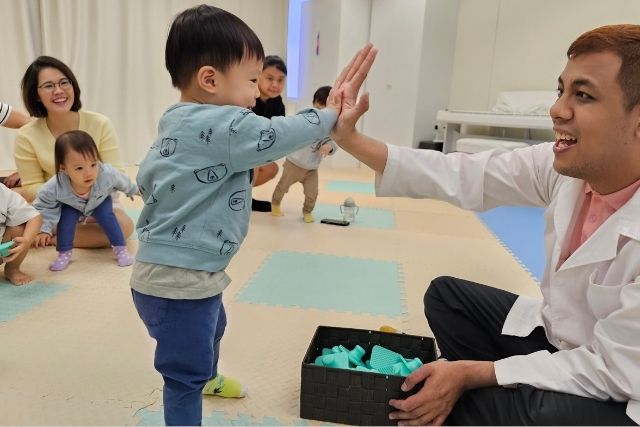
The Beautiful Breakthrough: The most exciting discovery came when they focused on younger children (0-3 years). “We found our sweet spot! Parents of toddlers and infants were absolutely delighted with our approach. They could see immediately how much their little ones were absorbing, engaging, and thriving. It was incredibly rewarding to find where we could make the biggest difference,” Jeline shares with evident joy.
This journey of discovery led The Music Scientist to become exactly what families with young children were seeking—a place where learning is joyful, meaningful, and perfectly suited to how little minds naturally grow and flourish.
What are some misconceptions parents often have when choosing enrichment programmes?
Jeline identifies a key misconception around expectations and timing:
“Parents may have certain understanding of how they see results. We need to educate them that 0-5 years old is a very important window where we shouldn’t be so focused on academic parts or technicalities like ‘curve your fingers’ or playing specific instruments.”
She emphasizes the importance of foundational development: “We need exposure and the ability for children to express themselves—to feel, like, and appreciate music. If they start technical training too early, like at 4-5 years old, it becomes a chore rather than something they enjoy.”
The misconception extends to undervaluing early learning: “Some parents say ‘it’s too early, it’s not helpful,’ but 0-3 years old is when 85% of brain development happens. It’s never too early to start exposure and stimulation.”
How do you see enrichment education evolving in the next 5 years?
Jeline sees The Music Scientist as filling a crucial gap and potentially transforming the industry:
“We’re addressing the little ones with enrichment that incorporates sensorial exposure appropriate for their age. In terms of the music enrichment scene, hopefully The Music Scientist can change the learning approach—facilitating musical concepts in a different way rather than traditional ‘sit down and read notes’ methods.”
She envisions a shift toward more holistic, multi-sensory approaches that recognize the importance of early brain development and sensory integration, moving away from purely academic or performance-based metrics toward whole-child development.
Lastly, if you could give one piece of advice to a parent navigating today’s education options, what would it be?
While not explicitly stated in the interview, Jeline’s philosophy throughout suggests her advice would center on understanding that early childhood is about building foundations rather than immediate visible results. The importance of sensory integration, exposure, and joy in learning during the critical 0-3 years cannot be overstated.
Her approach emphasizes that children are always learning, even when it’s not obvious: “Even when you see them not doing anything, they’re actually observing. When they’re putting things in their mouth or exploring, they’re trying to make sense of their world.”
Looking Ahead: Vision and Future Plans
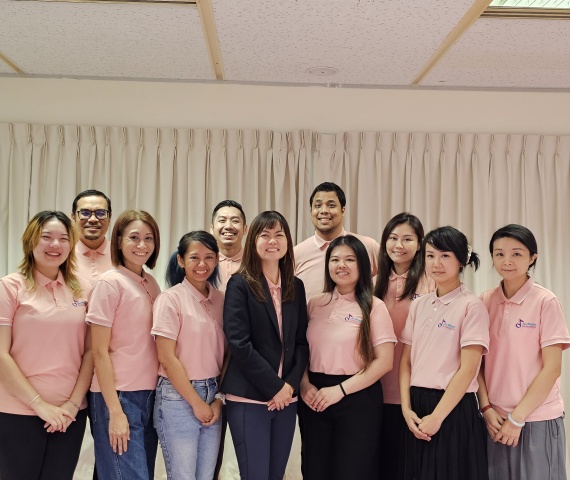
The Music Scientist’s vision extends beyond their current two centers in Marine Parade and Tampines. They aim to become the leading and most trusted centre for toddler and early childhood music education, with plans to:
- Expand through preschool collaborations across Singapore, integrating their unique curriculum into daily programmes
- Partner with music schools serving older children for natural progression pathways
- Digitalize their curriculum to provide teacher training, lesson resources, and original songs to schools and educators across regions
“We want to be recognized as a leading music enrichment provider while addressing the younger age enrichment gap that many preschools struggle to fill,” Jeline explains.
A Student Success Story That Says It All
One story particularly represents what The Music Scientist stands for: a family from Jurong who attended just one trial class when their child was 11 months old. Despite the distance, they were so impressed by the holistic programme that they immediately signed up and stayed committed even when the centre relocated from Hougang to Tampines.
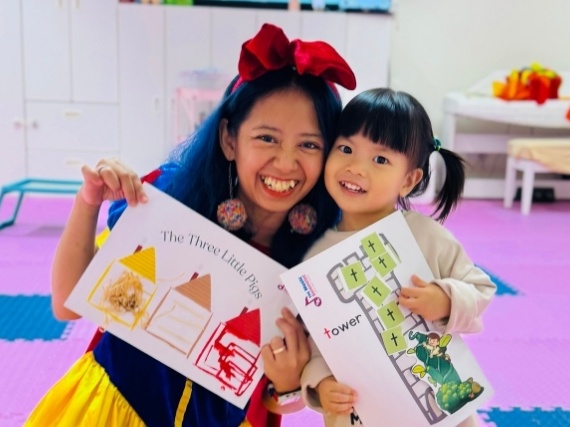
Years later, when Jeline visited their home, she was deeply moved to see they had framed their child’s craftwork from The Music Scientist. The child graduated confident, expressive, knowledgeable, and musical—a true reflection of the whole-child development the centre nurtures.
“Many parents tell us our original songs became part of their daily lives—used for bedtime routines, to soothe meltdowns, or simply as a way to bond through role-playing at home,” Jeline shares.
The Bottom Line
“The Music Scientist is more than just a music enrichment programme—we’re here to nurture your child’s growth in every way,” Jeline concludes. “Through music, science, movement, and purposeful play, we help children become not just musical, but also knowledgeable, curious, confident, and creative learners. Every lesson is designed to spark joy, deepen understanding, and build strong foundations that last well beyond the classroom.”
In an education landscape often focused on immediate results and academic achievements, The Music Scientist stands as a reminder that the most important learning in early childhood happens through joy, exploration, and multi-sensory engagement—setting the stage for a lifetime of curious, confident learning.

Give your Opinions