

Table Of Contents
- What Are ECDA Teacher-Child Ratios?
- Why Teacher-Child Ratios Matter For Quality Education
- Official ECDA Requirements For Different Age Groups
- Benefits of Optimal Teacher-Child Ratios
- Beyond The Numbers: Other Quality Factors To Consider
- Questions To Ask Preschools About Their Staffing
- Finding Preschools With Excellent Teacher-Child Ratios
As a parent searching for the perfect preschool in Singapore, you’ve likely encountered the term “teacher-child ratio” during your research. This crucial metric might seem like just another number, but it significantly impacts your child’s daily experience, learning opportunities, and overall development during their formative years.
Teacher-child ratios represent the number of children each educator is responsible for in a preschool setting. In Singapore, these ratios are regulated by the Early Childhood Development Agency (ECDA) to ensure quality care and education across all licensed preschools. Understanding these requirements can help you make more informed decisions about your child’s early education journey.
In this comprehensive guide, we’ll explore what ECDA teacher-child ratios mean, why they matter, the official requirements across different age groups, and how these numbers translate into real-world benefits for your child. We’ll also provide practical tips to help you evaluate preschools beyond just the numbers.
What Are ECDA Teacher-Child Ratios?
Teacher-child ratios refer to the number of children one qualified educator is responsible for supervising and teaching in an early childhood setting. In Singapore, these ratios are established and enforced by the Early Childhood Development Agency (ECDA), the regulatory authority for the early childhood sector.
These ratios serve as a fundamental quality indicator for preschool programs and are designed to ensure each child receives adequate attention, supervision, and educational support. Lower ratios mean teachers can provide more individualized attention to each child, which generally translates to better learning outcomes and a safer environment.
The ECDA sets different ratio requirements based on children’s age groups, recognizing that younger children typically require more hands-on care and supervision than older ones. These regulations apply to all licensed childcare centres and kindergartens across Singapore, ensuring a baseline standard of quality regardless of which preschool you choose.
Why Teacher-Child Ratios Matter For Quality Education
Teacher-child ratios aren’t just regulatory requirements—they directly influence the quality of education and care your child receives. Here’s why these numbers matter so much:
Individual Attention and Responsiveness
When educators are responsible for fewer children, they can pay closer attention to each child’s unique needs, learning styles, and developmental progress. This allows for more personalized interactions and timely responses to children’s questions, concerns, and learning moments.
For example, in a classroom with a lower ratio, teachers can spend more time helping individual children master new concepts, providing feedback on their work, and offering emotional support when needed. This level of individualized attention is particularly crucial during the early years when children are developing foundational skills.
Safety and Supervision
Lower teacher-child ratios enable more effective supervision, reducing the risk of accidents and ensuring children’s safety. With fewer children to monitor, teachers can better observe interactions between children, prevent conflicts, and quickly address potential safety hazards.
This is especially important for younger children who may not yet fully understand safety boundaries or for active learning environments where children engage in diverse activities simultaneously.
Quality of Interactions
Research consistently shows that meaningful teacher-child interactions are among the strongest predictors of positive developmental outcomes. Lower ratios create more opportunities for these quality interactions, allowing teachers to engage in extended conversations, ask thought-provoking questions, and build stronger relationships with each child.
These relationships form the foundation for children’s social-emotional development and create a secure base from which they can explore and learn confidently.
Official ECDA Requirements For Different Age Groups
The ECDA has established specific teacher-child ratio requirements that vary according to children’s ages. These requirements recognize that younger children need more individualized care and attention compared to older, more independent preschoolers:
Infant Care (2-18 months)
For the youngest children, ECDA requires a ratio of 1:5, meaning one qualified educator for every five infants. This lower ratio acknowledges infants’ high dependency and need for responsive caregiving. Infant care educators must be specially trained to meet the unique needs of babies, including feeding, diapering, soothing, and supporting early developmental milestones.
Playgroup (18-24 months)
For playgroup programs serving toddlers aged 18-24 months, the required ratio is 1:8. At this stage, children are becoming more mobile and independent but still require close supervision and assistance with many daily activities. The slightly higher ratio reflects toddlers’ growing capabilities while still ensuring adequate attention.
Nursery 1 (2-3 years)
For Nursery 1 classrooms with children aged 2-3 years, ECDA mandates a ratio of 1:12. Children in this age group are developing greater independence and language skills, but still benefit significantly from regular adult guidance and interaction.
Nursery 2 (3-4 years)
For Nursery 2 programs serving 3-4 year olds, the required ratio increases to 1:15. By this age, children typically have more developed self-help skills and can engage in longer periods of independent and group play.
Kindergarten (4-6 years)
For Kindergarten 1 and 2 classes (children aged 4-6 years), ECDA requires a ratio of 1:20. These older preschoolers have more developed social skills and greater independence, allowing for slightly larger group sizes while maintaining quality.
It’s important to note that these ratios represent the maximum number of children per teacher allowed by regulation. Many high-quality preschools choose to maintain even lower ratios than required, providing enhanced individualized attention as a quality differentiator.
Benefits of Optimal Teacher-Child Ratios
When preschools maintain appropriate teacher-child ratios—or even exceed ECDA requirements with lower ratios—children experience numerous benefits:
Enhanced Language Development
In classrooms with lower ratios, children typically experience more frequent and complex verbal interactions with teachers. These rich language exchanges help expand vocabulary, improve conversation skills, and develop more sophisticated language patterns. Teachers have more opportunities to read to children individually or in small groups, ask open-ended questions, and engage in meaningful discussions.
Stronger Social-Emotional Skills
With fewer children per teacher, educators can better support children’s emotional needs, help them navigate social conflicts, and teach important skills like empathy, cooperation, and self-regulation. Teachers can more quickly recognize signs of emotional distress and provide timely support, helping children develop healthy coping strategies.
These skills form the foundation for future relationships and academic success, making them just as important as traditional academic learning.
More Engaging Learning Experiences
Lower ratios allow teachers to plan and implement more complex, hands-on learning activities that might be difficult to manage with larger groups. Teachers can better differentiate instruction to meet individual learning needs, provide more detailed feedback, and extend children’s thinking through thoughtful questioning and scaffolding.
Reduced Stress and Behavior Issues
Classrooms with appropriate teacher-child ratios typically have fewer behavior problems. With more individualized attention, teachers can identify and address the root causes of challenging behaviors before they escalate. Children also tend to feel more secure and less overwhelmed in environments where adults are readily available to help them.
Beyond The Numbers: Other Quality Factors To Consider
While teacher-child ratios are an important quality indicator, they represent just one aspect of preschool quality. When evaluating potential preschools for your child, consider these related factors as well:
Teacher Qualifications and Experience
The educational background, specialized training, and experience of teaching staff significantly impact program quality. In Singapore, ECDA requires minimum qualifications for early childhood educators, but many high-quality centres employ staff with advanced credentials or specialized expertise.
Ask about teachers’ qualifications, ongoing professional development opportunities, and staff retention rates—centres with low turnover typically provide more stable, consistent experiences for children.
Classroom Environment and Group Size
Beyond ratios, the total group size and physical environment also matter. Even with appropriate ratios, very large group sizes can create noisy, overwhelming environments for young children. Look for well-organized classrooms with defined learning areas, appropriate materials, and enough space for children to move and play comfortably.
Teaching Approach and Curriculum
Consider whether the preschool’s educational philosophy and curriculum align with your values and your child’s learning style. Observe how teachers interact with children—do they seem warm, responsive, and genuinely interested in children’s ideas? Do they balance teacher-directed and child-initiated activities?
High-quality programs typically emphasize learning through play, provide a balance of individual and group activities, and incorporate children’s interests into the curriculum.
Support Staff and Specialists
Some preschools employ additional support staff or specialists who may not be counted in the official teacher-child ratios but who enhance the overall quality of the program. These might include teaching assistants, curriculum specialists, music teachers, or early intervention professionals who provide targeted support for children with diverse learning needs.
Questions To Ask Preschools About Their Staffing
When visiting potential preschools, consider asking these questions to better understand how they approach teacher-child ratios and staffing:
- What are your current teacher-child ratios for each age group? Compare their answer to ECDA requirements and look for centres that meet or exceed these standards.
- How do you ensure adequate coverage during staff breaks or absences? Quality centres maintain appropriate ratios throughout the day, including during transition times, outdoor play, and when regular staff are away.
- What qualifications do your teachers have? Beyond meeting ECDA’s minimum requirements, many high-quality centres prioritize advanced education and specialized training.
- How long have your teachers been with the centre? Low staff turnover often indicates a positive work environment and provides more consistent relationships for children.
- How do you group children? Some centres use mixed-age grouping, while others separate children strictly by age. Understanding their approach helps you determine if it matches your child’s needs.
- Do you have additional support staff beyond the required ratios? Some centres employ floaters, specialists, or extra assistants to enhance program quality.
Finding Preschools With Excellent Teacher-Child Ratios
Looking for preschools that prioritize quality staffing and appropriate teacher-child ratios? Here are some strategies to help you find excellent options:
Use Skoolopedia’s Searchable Directory
Our comprehensive database allows you to search for preschools by location, including those near MRT stations for convenient access. Each listing includes important information about the centre’s approach, curriculum, and facilities. You can also filter results based on your specific requirements to find centres that might offer favorable teacher-child ratios.
Read Parent Reviews
Skoolopedia’s crowdsourced reviews provide valuable firsthand insights from other parents. Look for comments about classroom sizes, individualized attention, and how well teachers know and respond to children’s needs—these often reflect the impact of teacher-child ratios on daily experience.
Attend Open Houses
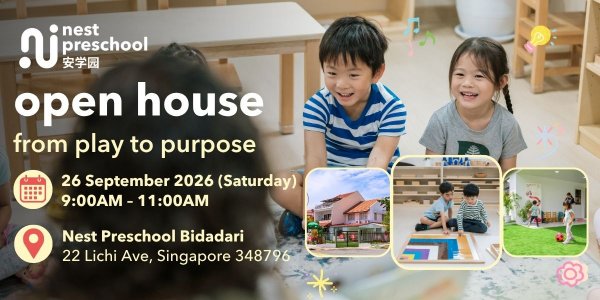
Many preschools host regular open houses where you can tour the facilities, meet teaching staff, and ask questions about their approach to staffing and group sizes. Check Skoolopedia’s open house listings to find upcoming opportunities to visit centres you’re interested in.
Consider Award-Winning Centres
Preschools that have received recognition, such as those featured in Skoolopedia’s Parents’ Choice Awards, often maintain high standards across multiple quality dimensions, including appropriate staffing levels and teacher qualifications.
Look Beyond Just Preschools
Remember that quality early education can be found in various settings. You might also consider enrichment programs to supplement preschool education or student care centres that often maintain favorable adult-child ratios for older children.
Teacher-child ratios are a fundamental aspect of preschool quality that directly impacts your child’s daily experience, learning opportunities, and overall development. ECDA’s ratio requirements ensure that all licensed preschools in Singapore maintain minimum standards for staffing, providing a baseline of quality for early childhood education.
However, as an informed parent, looking beyond the minimum requirements can help you find truly exceptional programs where your child will receive the individualized attention, responsive caregiving, and educational support they need to thrive. Consider ratios alongside other quality indicators like teacher qualifications, learning environment, curriculum approach, and overall program philosophy.
By understanding what these numbers mean and how they influence children’s experiences, you’re better equipped to evaluate potential preschools and make confident decisions about your child’s early education. Remember that the best preschool for your family is one that not only meets regulatory requirements but also aligns with your values and meets your child’s unique needs.
Ready to find a preschool with optimal teacher-child ratios near you? Visit Skoolopedia to search our comprehensive directory of Singapore preschools, filter by location and program features, read parent reviews, and discover upcoming open houses. For even more personalized recommendations and exclusive resources, join our membership program today!



Give your Opinions