

Table Of Contents
- Understanding Singapore’s Education System
- Top Primary Schools in Singapore
- Leading Secondary Schools in Singapore
- Prestigious Junior Colleges in Singapore
- International Schools Worth Considering
- Special Education Schools in Singapore
- Choosing Schools by Location and Accessibility
- Admission Processes and Key Dates
- Beyond Academics: Holistic Education
- Parent Resources and Support
Selecting the right school for your child in Singapore can feel overwhelming. With the city-state’s reputation as an education powerhouse boasting world-class institutions across all levels, parents face the challenging task of navigating numerous options, each with distinct strengths and pedagogical approaches.
Singapore consistently ranks among global education leaders, with students regularly achieving top positions in international assessments like PISA (Programme for International Student Assessment). This educational excellence stems from a carefully structured system that balances rigorous academics with increasing emphasis on creativity, critical thinking, and holistic development.
Whether you’re exploring primary schools with strong foundational programs, secondary schools with specialized tracks, or international schools offering alternative curricula, this comprehensive guide will walk you through Singapore’s educational landscape. We’ll examine the standout institutions across different categories, highlight admission requirements, and provide practical insights to help you make an informed decision that aligns with your child’s unique needs and potential.
Understanding Singapore’s Education System
Before diving into specific school recommendations, it’s essential to understand how Singapore’s education system is structured. The system follows a progressive pathway designed to cater to different learning abilities and interests.
The mainstream education journey typically begins with 6 years of primary education (ages 7-12), followed by 4-5 years of secondary education (ages 13-16/17), and 2-3 years of pre-university education or vocational training. At each stage, students can take different tracks based on their academic strengths and aspirations.
Singapore’s education system is primarily managed by the Ministry of Education (MOE), which oversees national curriculum schools. There are several categories of schools:
- Government schools: Fully funded by the government
- Government-aided schools: Partially funded by the government, often with religious affiliations
- Independent schools: Have more autonomy in curriculum and programs
- Autonomous schools: Government schools with additional funding for enhanced programs
- International schools: Offer foreign curricula and primarily serve expatriate communities
- Specialized schools: Focus on specific areas like sports, arts, or special education needs
The system is designed to identify and nurture students’ strengths through various assessment points, with the Primary School Leaving Examination (PSLE) at age 12 being a significant milestone that determines secondary school placement.
Top Primary Schools in Singapore
Primary education forms the foundation of a child’s learning journey. Here are some of the consistently top-performing primary schools in Singapore, known for their academic excellence and holistic programs:
Nanyang Primary School
Located in Bukit Timah, Nanyang Primary School is renowned for its strong bilingual policy and excellence in both academic and non-academic areas. The school offers a vibrant Chinese cultural environment while maintaining high standards in all subjects. Its Higher Chinese program is particularly sought after by parents wanting to give their children a strong foundation in bilingualism.
Raffles Girls’ Primary School
With its rich heritage dating back to 1844, Raffles Girls’ Primary School has consistently maintained its reputation for academic excellence. The school’s curriculum goes beyond academics to develop well-rounded individuals through its Raffles Programme for Active Learning. Located in the East Coast area, it emphasizes character development alongside intellectual growth.
Henry Park Primary School
Situated in Holland Road, Henry Park Primary School is known for its HPPS Experience that focuses on values education and student leadership. The school offers various enrichment programs and has excellent facilities that support both academic and co-curricular activities. Its approach to teaching encourages creative and critical thinking.
Rosyth School
Located in Serangoon North, Rosyth School is recognized for its Gifted Education Programme (GEP) and strong emphasis on innovation and enterprise. The school provides a supportive environment for students to explore their interests across various domains, from robotics to performing arts, while maintaining high academic standards.
When considering primary schools, remember that proximity to home is an important factor due to the Phase 2A priority for children living within 1-2km of the school during the Primary One Registration Exercise.
Leading Secondary Schools in Singapore
Secondary education in Singapore offers diverse pathways including the Express, Normal (Academic), and Normal (Technical) streams, with Integrated Programmes (IP) allowing high-performing students to bypass O-levels and proceed directly to A-levels or IB. Here are some standout secondary institutions:
Raffles Institution
As Singapore’s oldest school founded in 1823, Raffles Institution is synonymous with academic excellence. The school offers a six-year Integrated Programme leading to the A-levels, with a curriculum that emphasizes critical thinking, research, and leadership development. Its extensive network of alumni and rich traditions make it one of the most prestigious schools in the country.
Hwa Chong Institution
Hwa Chong Institution offers a bilingual education environment with its own six-year Integrated Programme. The school is known for its Science and Mathematics education, extensive CCAs (Co-Curricular Activities), and unique Bicultural Studies Programme. Its sprawling campus in Bukit Timah provides excellent facilities for both academic and non-academic pursuits.
Methodist Girls’ School
Methodist Girls’ School offers both the O-level track and a four-year Integrated Programme leading to the IB Diploma. The school emphasizes character development and values-based education within a nurturing environment. Its strength lies in providing diverse pathways that cater to different learning styles and interests.
School of Science and Technology (SST)
For students with a strong interest in applied learning in science and technology, SST offers a specialized curriculum that integrates academic learning with real-world applications. The school’s unique approach includes partnerships with industry leaders and tertiary institutions, providing students with hands-on experience and a head start in STEM fields.
Secondary school selection should consider not just academic reputation but also the school’s culture, CCAs offered, and whether its educational approach aligns with your child’s learning style and interests.
Prestigious Junior Colleges in Singapore
Junior Colleges (JCs) offer a two-year pre-university education leading to the A-level examinations. These institutions serve as stepping stones to university education and are known for their rigorous academic programs. Here are some of Singapore’s top JCs:
Raffles Institution (Junior College)
The JC section of Raffles Institution consistently produces top A-level results nationwide. Beyond academics, the college offers the Raffles Diploma that recognizes students’ achievements across five domains: Cognitive, Character and Leadership, Community and Citizenship, Arts and Aesthetics, and Sports and Health. Its Raffles Academy provides further enrichment for students exceptionally talented in specific subjects.
Hwa Chong Institution (College Section)
Hwa Chong’s college section is renowned for its holistic education approach. The college offers over 70 CCAs and special programs like the Hwa Chong Diploma and various overseas learning opportunities. Its Talent Development Programme nurtures students with exceptional abilities in specific areas, providing specialized training and mentorship.
Victoria Junior College
Victoria Junior College is known for both its academic excellence and vibrant student life. The college has strong performing arts and sports programs, with numerous achievements at national levels. Its Victoria-Cedar Alliance with Cedar Girls’ Secondary School and Victoria School creates a supportive educational community with shared resources and opportunities.
Eunoia Junior College
As Singapore’s newest JC, Eunoia has quickly established a reputation for innovation and excellence. The college’s modern campus in Bishan features state-of-the-art facilities and an innovative curriculum that includes the Passion Pursuit programme, allowing students to explore interests beyond the standard curriculum. Despite its recent establishment in 2017, Eunoia has already demonstrated strong academic outcomes.
When considering JCs, look beyond cut-off points to examine subject combinations offered, college culture, and special programmes that might benefit your child’s university preparation and career aspirations.
International Schools Worth Considering
For expatriate families or those seeking alternative educational approaches, Singapore hosts numerous international schools offering various curricula including International Baccalaureate (IB), British, American, and Australian systems. These schools typically feature smaller class sizes, diverse student bodies, and less emphasis on standardized testing.
United World College of South East Asia (UWCSEA)
With campuses in Dover and East, UWCSEA offers the IB curriculum from kindergarten through high school. The school is known for its strong emphasis on outdoor education, service learning, and internationalism. Its diverse student body represents over 90 nationalities, providing a truly global educational experience with excellent university placement records worldwide.
Tanglin Trust School
Established in 1925, Tanglin Trust School follows the British curriculum and offers all three IB programmes. The school maintains strong ties to British educational traditions while embracing Singapore’s multicultural environment. Its excellent facilities support a broad curriculum that balances academics with sports, arts, and outdoor education.
Singapore American School
Following an American curriculum with Advanced Placement courses, Singapore American School offers a comprehensive education on its large Woodlands campus. The school is known for its strong emphasis on personalized learning, innovation, and extensive extracurricular offerings. Its facilities include state-of-the-art science and technology labs, multiple swimming pools, and a performing arts center.
Australian International School
Offering both the Australian curriculum and IB programme, AIS provides education from early years to pre-university. The school follows the southern hemisphere academic calendar (January-December) and is particularly popular with Australian expatriate families. Its comprehensive sports program and modern facilities make it a well-rounded choice for international education.
International school fees are significantly higher than local schools, but they offer smaller class sizes, diverse teaching approaches, and smooth transition pathways for families who may relocate internationally.
Special Education Schools in Singapore
Singapore has made significant strides in providing quality education for children with special needs. These specialized institutions cater to various learning differences and developmental conditions:
Pathlight School
Pathlight School is Singapore’s first autism-focused school that offers the national curriculum with accommodations for students on the autism spectrum. The school’s unique Satellite Partnership Programme allows high-functioning students to attend selected mainstream schools while receiving support from Pathlight. Its Art Faculty showcases and develops the artistic talents of students with autism.
Rainbow Centre
Rainbow Centre provides educational services for children with developmental disabilities, including autism, through its schools and early intervention programme. The centre focuses on developing practical life skills alongside academic learning, with transition planning to prepare students for life after school.
Metta School
Serving students with mild intellectual disability and autism spectrum disorders, Metta School offers both academic and vocational training. The school’s ITE Skills Certification (ISC) programmes provide practical vocational skills in areas like hospitality services, retail operations, and food preparation to enhance employment prospects for graduates.
When considering special education options, early assessment and intervention are crucial. The Ministry of Education works with these specialized schools to ensure appropriate placements and support for children with diverse learning needs.
Choosing Schools by Location and Accessibility
Location plays a crucial role in school selection, particularly for younger children. Singapore’s comprehensive public transportation system makes many schools accessible, but proximity can significantly impact daily routines and quality of life.
Several factors to consider when evaluating location include:
- Daily commute time for your child
- Transportation options available (school bus services, public transport, walking distance)
- Traffic patterns during school rush hours
- Proximity to enrichment centers or after-school activities
- Distance from parents’ workplaces for emergency situations
For primary schools in particular, living within 1-2km radius provides priority during registration under the home-school distance category. This can be crucial for securing places in popular schools.
Skoolopedia offers comprehensive tools to help parents identify quality educational institutions near their preferred locations. You can search for preschools near MRT stations, enrichment centers by MRT proximity, and student care facilities near transportation hubs. These resources simplify the process of finding convenient educational options that fit your family’s lifestyle and location needs.
Admission Processes and Key Dates
Understanding the admission timelines and procedures is essential for securing places in preferred schools. Different types of schools follow distinct admission processes:
Primary School Registration
The Primary One Registration Exercise operates through a phased approach with seven phases (1 to 2C), typically conducted from June to September each year. Each phase caters to different groups:
- Phase 1: For children with siblings currently in the school
- Phase 2A: For children whose parents are alumni/staff or active community leaders
- Phase 2B: For children whose parents volunteer at the school or have religious affiliations
- Phase 2C: Open registration for remaining Singapore Citizens and Permanent Residents
For popular primary schools, balloting often occurs when applications exceed available places, with priority given based on home-school distance (within 1km, 1-2km, and outside 2km).
Secondary School Admission
Secondary school placement is primarily determined by PSLE scores through the Secondary One Posting Exercise, typically in late November after PSLE results are released. Students can list up to 6 school choices, with postings based on merit and choice order.
Direct School Admission (DSA) offers an alternative pathway before the PSLE, allowing primary school students with special talents in academics, sports, or arts to secure placements based on these strengths rather than solely on examination results. DSA applications usually open in May each year.
Junior College Admission
Admission to JCs is based on O-level results through the Joint Admissions Exercise (JAE), typically in January after O-level results are released. Each JC has different cut-off points that vary yearly based on demand and student performance.
Like secondary schools, JCs also offer DSA pathways for students with special talents, with applications usually opening in May for JC1 entry the following year.
International School Admission
International schools typically have rolling admissions throughout the year, subject to availability. The application process often includes entrance assessments, interviews, and review of previous school records. Popular international schools may have waiting lists for certain grade levels, so early application is advisable.
For all school types, it’s important to prepare necessary documents including birth certificates, identity cards, proof of address, previous academic records, and any supporting documents for special considerations or talents.
Beyond Academics: Holistic Education
While academic excellence remains important, Singapore’s education system has increasingly emphasized holistic development. When evaluating schools, consider these aspects of holistic education:
Co-Curricular Activities (CCAs)
CCAs form an integral part of Singapore’s education system, with students typically participating in at least one activity across sports, performing arts, clubs/societies, or uniformed groups. Schools vary significantly in their CCA offerings and achievements. Some institutions have national-level sports teams or award-winning performing arts groups that provide exceptional development opportunities in these areas.
Character and Citizenship Education
Schools implement various programs to develop values, social-emotional competencies, and national identity. These include community service projects, outdoor adventure learning, and values-in-action initiatives. Schools with strong character education programs often have distinctive approaches to developing leadership, resilience, and social responsibility.
Innovation and Applied Learning
Many schools now offer specialized programs that connect classroom learning with real-world applications. These include applied subjects, industry attachments, and innovation challenges. Schools with STEM excellence programs, entrepreneurship incubators, or strong ties to industry partners provide valuable hands-on learning experiences that extend beyond traditional academics.
When researching schools, investigate their distinctive programs, teaching philosophies, and learning environments to find the best match for your child’s interests, learning style, and potential. A school’s culture and approach to education can be just as important as its academic reputation in supporting your child’s overall development.
Parent Resources and Support
Navigating Singapore’s education system becomes easier with the right resources and support networks. Here are valuable resources for parents making educational decisions:
Educational Consultations and School Tours
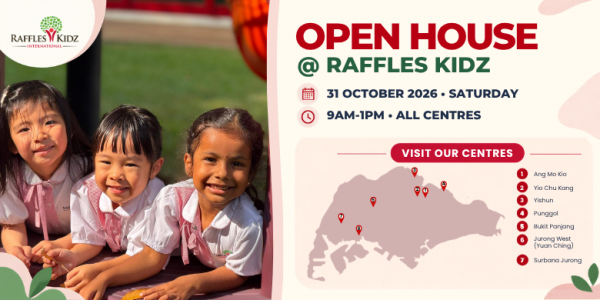
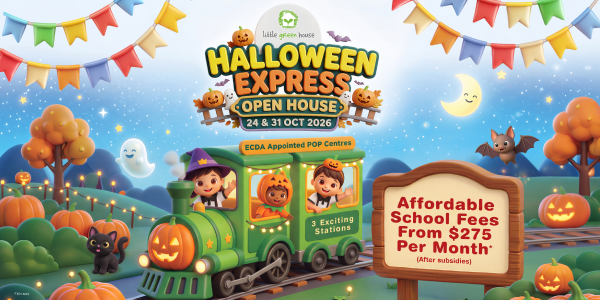
Most schools conduct open houses annually, typically a few months before registration exercises. These events provide opportunities to tour facilities, interact with teachers and current students, and gain insights into school culture and programs. For international schools, personal tours can often be arranged throughout the year.
Parent Networks and Forums
Parent support groups and online forums offer valuable peer perspectives on different schools. These communities share firsthand experiences about school environments, teacher quality, homework loads, and overall satisfaction. Parent testimonials often provide insights not found in official school materials.
Educational Resources and Research
Beyond official MOE resources, educational portals like Skoolopedia offer comprehensive information about Singapore’s education landscape. Skoolopedia’s membership program provides access to exclusive content, expert advice, and community reviews that can inform your decision-making process.
The portal’s Parents’ Choice Awards highlight institutions that have received recognition from parent communities, offering additional guidance on schools with strong parent satisfaction rates.
Choosing the right school for your child in Singapore involves balancing multiple factors: academic reputation, location, teaching approach, extracurricular offerings, and alignment with your child’s learning style and interests. The good news is that Singapore’s education system offers quality options across all types of schools, from government schools to international institutions.
Remember that the “best” school isn’t necessarily the most prestigious or highest-ranked, but rather the one that provides the most supportive environment for your child’s specific needs and aspirations. Consider visiting shortlisted schools during open houses, speaking with current parents and students, and involving your child in age-appropriate ways in the decision-making process.
Singapore’s education landscape continues to evolve, with increasing emphasis on joy of learning, reduction of excessive testing, and development of future-ready skills. Staying informed about these developments through reliable education portals like Skoolopedia can help you navigate the options with confidence.
Ultimately, a good school partnership between home and school creates the foundation for your child’s educational success. By taking time to research thoroughly and consider all aspects of potential schools, you’re taking an important step toward providing your child with an education that nurtures both academic excellence and personal growth.
Looking for more personalized guidance on finding the right school for your child? Visit Skoolopedia today to access our comprehensive school directory, expert advice, and parent community reviews. Our specialized search tools help you find quality educational institutions near your preferred locations, making your school selection process simpler and more informed.
Give your Opinions