

Table Of Contents
The question hits many Singapore parents around their child’s second birthday: should we stretch the budget for an international preschool, or will a quality local option serve our child just as well? With international preschool fees ranging from $2,000 to over $3,500 monthly compared to $800 to $1,500 for local alternatives, the price gap can amount to $30,000 or more over three years. That’s a significant chunk of any family’s education budget.
International preschools in Singapore promise globally recognized curricula, smaller class sizes, purpose-built facilities, and preparation for international primary schools. But do these benefits translate into tangible advantages for young learners? Or are parents paying a premium for brand prestige and peace of mind rather than measurably better outcomes?
This guide examines what international preschools actually offer, compares them objectively with local alternatives, and helps you determine whether the investment makes sense for your family’s circumstances, values, and long-term education pathway. Whether you’re an expat family planning to relocate or Singaporean parents considering all options, you’ll find the practical information you need to make this important decision.
Understanding the Premium: What International Preschools Cost
International preschools in Singapore typically charge between $24,000 and $42,000 annually for full-day programmes, with some prestigious institutions exceeding $50,000 per year. In comparison, local preschools (including NTUC, PCF, and MOE Kindergarten) range from $160 to $850 monthly for Singapore citizens after subsidies, or approximately $1,920 to $10,200 annually even without government support.
The fee structure at international preschools usually includes tuition, meals, and basic materials, but registration fees ($500-$3,000) and annual capital levies ($1,000-$5,000) add to first-year costs. Unlike local preschools where Singaporean families benefit from substantial government subsidies, international preschools receive no such support, regardless of your citizenship status. This means the full fee burden falls entirely on parents.
To put this in perspective, choosing an international preschool at $30,000 annually over a subsidized local option at $6,000 creates a $72,000 difference over three years. For many families, this represents a significant portion of their child’s entire education fund or a substantial down payment on a property. Understanding exactly what drives this premium helps determine whether the investment aligns with your educational priorities.
What You’re Actually Paying For
The premium fees at international preschools fund several distinctive features that set them apart from local alternatives. While marketing materials emphasize luxury amenities, the core differences relate to educational philosophy, staff qualifications, and operational approaches that genuinely impact your child’s daily experience.
International Curriculum Approaches
International preschools in Singapore predominantly follow one of several globally recognized frameworks: the International Baccalaureate Primary Years Programme (IB PYP), Reggio Emilia, Montessori, or British Early Years Foundation Stage (EYFS). Each brings distinct pedagogical philosophies that differ substantially from Singapore’s local curriculum frameworks.
The IB PYP, for instance, emphasizes inquiry-based learning where children explore transdisciplinary themes through questions and investigation rather than direct instruction. A unit on “How We Organize Ourselves” might have four-year-olds examining how their preschool community functions, conducting interviews with staff, and creating maps of the facility. This contrasts with local curricula that, while incorporating play-based learning, tend toward more structured skill-building in literacy and numeracy.
Reggio Emilia approaches view children as capable researchers who learn through long-term projects driven by their interests. Teachers act as facilitators and documenters, creating elaborate displays of children’s learning processes. Montessori programmes offer carefully prepared environments with specialized materials for self-directed learning, where children choose activities and work at their own pace within a structured framework.
These curriculum differences matter most if you’re planning an international education pathway for primary and secondary school. The continuity of approach provides genuine benefits, as children accustomed to inquiry-based learning at an IB preschool transition more smoothly to an IB primary programme. However, Singapore’s local preschools have also evolved to incorporate play-based, child-centered approaches, particularly with the implementation of the updated NEL (Nurturing Early Learners) framework that emphasizes holistic development.
Facilities and Resources
Walk into most international preschools and the physical differences are immediately apparent. Purpose-built campuses feature outdoor play spaces with natural elements, dedicated art studios, libraries stocked with international literature, and technology-integrated classrooms. Some include swimming pools, indoor gymnasiums, or performing arts spaces that wouldn’t be out of place in a primary school.
The learning materials reflect this resource abundance: genuine Montessori materials (which can cost hundreds of dollars per set), extensive art supplies from international suppliers, multicultural books and toys, and regular classroom updates to support thematic units. Teachers have budgets for field trips, visiting specialists, and experiential learning opportunities like cooking sessions with professional chefs or visits from community helpers.
By contrast, local preschools operate within tighter budget constraints. While well-run local centres certainly provide quality learning materials and maintain safe, engaging environments, they typically can’t match the sheer variety and luxury of resources at international institutions. However, research on early childhood development consistently shows that expensive materials matter far less than responsive, skilled teachers and thoughtfully designed learning experiences. A cardboard box can be as educationally valuable as a custom-built playhouse when guided by an excellent educator.
Class Sizes and Teacher Qualifications
International preschools typically maintain ratios of 1:6 to 1:8 for toddlers and 1:8 to 1:10 for preschoolers, compared to the regulatory maximum of 1:8 and 1:15 respectively in local centres (though many quality local preschools voluntarily maintain lower ratios). This allows for more individualized attention, easier classroom management, and stronger teacher-child relationships.
Teacher qualifications often include international early childhood credentials such as UK-based CACHE diplomas, US teaching licenses, or specialized Montessori or Reggio certifications. Many international preschools recruit teachers from abroad and provide competitive packages to attract experienced educators. The teaching staff frequently includes native English speakers from diverse backgrounds, creating naturally multicultural environments.
Local preschools employ teachers with diplomas in early childhood education from local polytechnics or international qualifications, and standards have risen significantly in recent years with government professionalization initiatives. While international schools may have more teachers with overseas experience, qualification differences are narrowing as Singapore invests heavily in early childhood educator training. What matters most is the individual teacher’s skill, warmth, and commitment, qualities found in both settings.
Comparing International vs. Local Preschools
The international versus local decision isn’t simply about quality; it’s about fit with your family’s values, circumstances, and educational trajectory. Both options include excellent schools and mediocre ones. The key differences relate to educational philosophy, cultural context, and preparation for specific primary school pathways.
Language exposure represents one clear distinction. International preschools operate primarily or exclusively in English, often with additional language programmes in Mandarin, French, or Spanish. Local preschools implement bilingual curricula with significant emphasis on Mother Tongue languages (Mandarin, Malay, or Tamil), preparing children for Singapore’s primary school language requirements. If your child will attend local primary school, the Mother Tongue foundation from local preschools provides genuine advantages.
Cultural environment differs substantially. International preschools deliberately cultivate multicultural communities, celebrating diverse holidays and traditions, and attracting expat families from numerous countries. Local preschools, while increasingly diverse, naturally reflect Singapore’s cultural context and values. Neither approach is inherently superior, but alignment with your family’s background and values matters for your child’s identity formation and your own comfort within the parent community.
Primary school preparation varies based on your intended pathway. If you’re planning to apply for international primary schools, preschool experience in that educational system helps. Admissions committees recognize applicants from IB preschools when considering IB primary candidates. Teachers can write more informed recommendations, and children demonstrate familiarity with the learning approach during assessments. Conversely, children heading to local primary schools benefit from preschool environments that familiarize them with Singapore classroom norms and bilingual expectations.
Parents often worry about academic preparation, but research on early childhood education shows that preschool quality (measured by teacher-child interactions, curriculum thoughtfulness, and socio-emotional support) matters far more than academic intensity or institutional prestige. High-quality local preschools produce children just as school-ready as international alternatives. What varies is the specific type of schooling they’re optimally prepared for.
Who Benefits Most from International Preschools?
International preschools make most sense for specific family situations rather than being universally superior choices. Understanding whether your circumstances align with these profiles helps clarify if the premium investment serves your needs.
Expat families on time-limited assignments benefit significantly from international preschools. If you’ll relocate to another country in two to three years, continuity of educational approach matters greatly. A child attending an IB or Reggio Emilia preschool in Singapore can more easily transition to similar programmes in London, New York, or Shanghai. The familiar framework provides stability during repeated relocations, and internationally recognized curricula create educational coherence across countries.
Families committed to international schooling pathways find value in early exposure to their chosen system. The teaching approaches, classroom norms, and learning expectations at international preschools align with international primary and secondary schools. Children develop comfort with inquiry-based learning, project work, and the communication styles they’ll encounter throughout their education. This continuity can ease transitions and help children thrive in their later schooling.
Families seeking specific pedagogies unavailable in local contexts may find international preschools their only option. If you’re deeply committed to authentic Montessori education or Reggio Emilia philosophy, specialized international preschools offer these approaches with trained teachers and proper materials. While some local preschools incorporate elements of these methods, the full implementation typically requires the resources and teacher expertise found at dedicated international institutions.
Parents prioritizing English immersion while residing in multilingual environments sometimes choose international preschools for concentrated English exposure. However, this reasoning requires scrutiny. Singapore’s bilingual local preschools already provide substantial English instruction, and research shows children easily acquire languages through varied exposures. Unless Mother Tongue learning conflicts with your family’s specific circumstances, the English benefits alone rarely justify the cost premium.
Conversely, families planning local primary school attendance, those wanting strong Mother Tongue foundations, or parents comfortable with Singapore’s local education system often find excellent options among local preschools. The cost savings can fund enrichment activities, family experiences, or later education expenses while still providing quality early childhood education.
Hidden Costs Beyond Tuition
The published tuition fees represent just the baseline expense for international preschools. Several additional costs compound the financial commitment and deserve consideration in your budget planning.
Transportation expenses add significantly when your nearest international preschool sits across town. Unlike the neighbourhood accessibility of many local preschools and the ability to use preschools near MRT stations, international schools may require dedicated school bus services ($150-$300 monthly) or private transportation. Over three years, transportation alone can add $5,400 to $10,800 to your total investment.
Opportunity costs of forgone subsidies affect Singaporean families significantly. Citizens receive substantial government subsidies at local preschools, partner operator preschools, and MOE Kindergartens – support that disappears when choosing international options. A family eligible for $600 monthly in subsidies essentially pays $600 more by selecting an international preschool, beyond the tuition difference itself. This compounds the actual cost gap between options.
Enrichment expectations within international preschool communities can create social pressure for additional spending. When classmates attend multiple enrichment programmes, take international holidays, and participate in expensive activities, subtle pressure builds to match these lifestyles. While not directly school-related, the peer environment influences family spending patterns in ways worth acknowledging.
Continuity costs through primary and secondary school represent the longest-term financial consideration. Starting your child in international preschool often begins a pathway toward international primary school ($30,000-$45,000 annually) and secondary school ($40,000-$50,000+ annually). While you’re not locked into this path, the transition back to local schooling becomes increasingly challenging as children progress. The preschool decision may effectively commit you to 15+ years of international school fees, totaling well over half a million dollars.
Making the Right Decision for Your Family
Rather than asking whether international preschools are “worth it” in the abstract, frame the question around your specific situation: are they worth it for your family, given your values, financial capacity, and educational plans?
Start by clarifying your primary school intentions. If you’re confident about international schooling or anticipate relocating abroad, international preschool makes strategic sense despite the costs. If you’re planning local primary school or uncertain about your path, local preschool offers flexibility and financial prudence while delivering excellent early childhood education.
Assess your budget honestly, not aspirationally. Can you comfortably afford international preschool fees without straining your finances, sacrificing other important goals, or creating stress? Financial stretch for preschool that compromises your emergency fund, retirement savings, or family experiences may not serve your children’s best interests holistically. Remember that preschool represents just the beginning of education expenses.
Visit schools from both categories before deciding. Tour several local preschools and international options to see actual environments rather than marketing materials. Observe teacher-child interactions, examine the warmth and engagement in classrooms, and assess whether the educational philosophy aligns with your values. You may discover that a wonderful local preschool feels more right for your family than a prestigious international brand, or vice versa.
Consider your child’s specific needs and temperament. Some children thrive in structured environments; others need more freedom to explore. Some are comfortable with language immersion; others need gradual introduction. Neither international nor local preschools uniformly suit all children better. The individual school’s culture, teaching approach, and environment matter more than the broad category.
Finally, recognize that preschool choice, while important, is just one factor in your child’s development. Loving family relationships, varied experiences, community connections, and your engagement in their learning matter enormously. An adequately good preschool combined with rich family life produces excellent outcomes. There’s no evidence that premium preschool fees translate to happier, more successful adults when other factors are equal.
Use resources like Skoolopedia’s comprehensive preschool directory to compare options systematically, filtering by location, curriculum, and fees. Read reviews from current parents through platforms like the Parents’ Choices Award to understand actual experiences beyond marketing promises. Making an informed decision requires comparing specific schools, not broad categories.
International preschools in Singapore deliver what they promise: globally recognized curricula, excellent facilities, small class sizes, and preparation for international education pathways. Whether these benefits justify the premium fees depends entirely on your family’s circumstances, values, and plans. For some families, they’re invaluable investments; for others, local preschools serve beautifully while preserving resources for other priorities. Neither choice makes you a better or worse parent. The right choice is the one that aligns with your situation and serves your child’s needs while maintaining your family’s overall wellbeing.
The decision between international and local preschools ultimately reflects your family’s unique circumstances rather than a universal judgment about quality or worth. International preschools offer genuine benefits – globally recognized curricula, purpose-built facilities, smaller class sizes, and seamless preparation for international primary schools. These advantages justify the premium fees for families pursuing international education pathways, expat families anticipating relocation, or those deeply committed to specific pedagogical approaches like Montessori or Reggio Emilia.
However, Singapore’s local preschools have evolved dramatically in recent years, offering high-quality early childhood education grounded in research-based practices, bilingual learning, and preparation for local primary schools at a fraction of the cost. For families planning to enter the local education system, the combination of quality programming and substantial government subsidies makes local preschools compelling choices that free up resources for enrichment activities, family experiences, or future education expenses.
Rather than seeking a definitive answer to whether international preschools are “worth it,” invest time in visiting specific schools, understanding their approaches, and honestly assessing your budget and educational plans. The right preschool is one that aligns with your values, suits your child’s temperament, prepares them for their intended primary school pathway, and fits comfortably within your family’s financial reality. Both international and local options can provide excellent foundations for lifelong learning when thoughtfully matched to your family’s needs.
Find the Right Preschool for Your Child
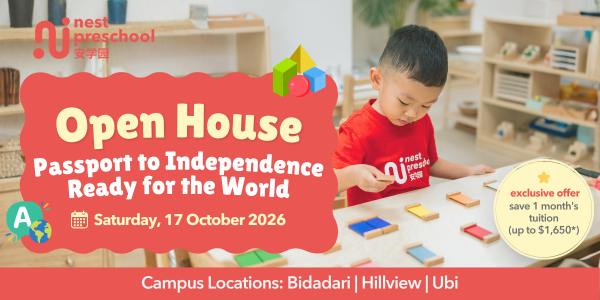
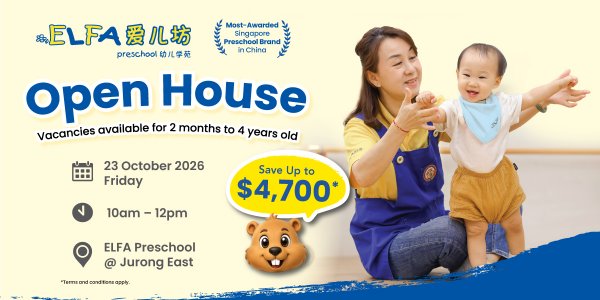
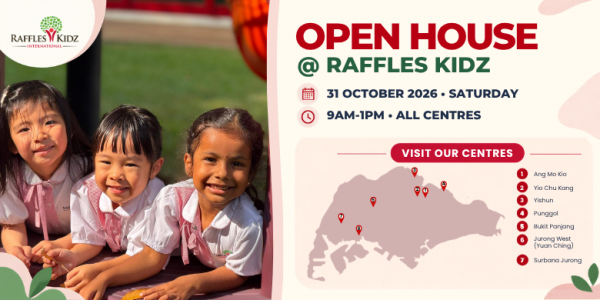
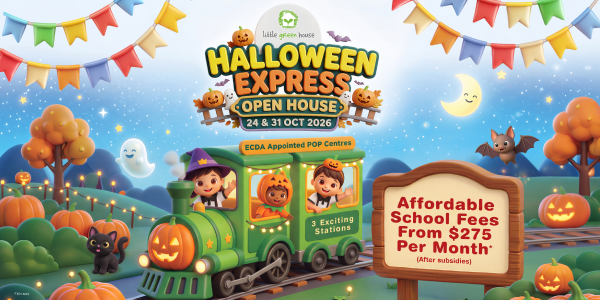
Explore Skoolopedia’s comprehensive directory of preschools across Singapore, filterable by location, curriculum, and fees. Compare options, read parent reviews, and discover open houses to make an informed decision that fits your family’s needs and budget.
Give your Opinions