

When parents in Singapore start researching primary schools, three letters come up repeatedly: SAP. Some families actively seek out SAP schools for their children. Others aren’t entirely sure what the label means beyond a vague sense that these schools are “strong in Chinese.” And a fair number of parents wonder whether an SAP school is even the right environment for their child at all.
The truth is that SAP schools represent a very specific philosophy within Singapore’s education landscape, one that goes well beyond simply offering more Chinese lessons. Understanding what the Special Assistance Plan actually involves — its history, its structure, and its day-to-day implications for a child’s school life — can make a real difference when you’re weighing options during primary school registration season. This guide breaks it all down clearly, so you can make an informed decision for your family.
What Is the Special Assistance Plan (SAP)?
The Special Assistance Plan was introduced by the Singapore government in 1979, emerging from a pivotal moment in the nation’s education history. When the government decided to phase out Chinese-medium schools following the recommendations of the Goh Report, there was a real concern that the cultural and linguistic heritage associated with institutions like Nanyang University and Chinese High School would be lost. The SAP was created as a deliberate solution: a way to preserve that tradition of excellence in Chinese language and culture within the framework of an English-medium education system.
In practical terms, SAP schools are a group of government-aided primary and secondary schools that are officially designated to offer a bilingual education with a strong emphasis on the Higher Chinese Language (HCL) curriculum. Unlike most mainstream schools where Chinese is treated as a second language subject, SAP schools treat both English and Chinese as first languages — an approach that is genuinely demanding and genuinely distinctive.
The Ministry of Education (MOE) oversees the SAP designation, and schools that carry it receive additional resources and curriculum support to maintain their bilingual character. This isn’t simply a branding exercise; it reflects a structural commitment to how teaching, culture, and school identity are organised from the ground up.
Which Schools Are SAP Schools in Singapore?
There are currently nine SAP secondary schools in Singapore, each with a long-established heritage and a distinct school culture. These schools include:
- Anglo-Chinese School (Barker Road)
- Catholic High School
- CHIJ St. Nicholas Girls’ School
- Chinese High School (Hwa Chong Institution)
- Dunman High School
- Maris Stella High School
- Nanyang Girls’ High School
- Raffles Girls’ School (Secondary)
- River Valley High School
On the primary school side, there are nine SAP primary schools that are linked to or affiliated with these secondary schools. They include schools like Ai Tong School, Catholic High Primary, and Nanyang Primary School, among others. Many of these primary schools offer their affiliated secondary school as a through-train or priority admission option, which is one reason why getting into an SAP primary can have a meaningful downstream effect on secondary school placement.
It is worth noting that SAP schools have traditionally been single-gender or mixed, and that many of them sit within established neighbourhoods across Singapore. If proximity is a factor in your planning, tools like the Skoolopedia directory filtered by MRT station can help you think about your broader schooling geography as you plan your child’s learning journey from preschool onward.
What ‘Chinese Language Emphasis’ Actually Means in Practice
The phrase “Chinese language emphasis” can sound like a minor curriculum tweak — a few extra lessons per week, perhaps. In reality, attending an SAP school means your child will be studying Chinese at the Higher Chinese Language level, which is a significantly more rigorous standard than the standard Chinese curriculum offered in mainstream schools. Higher Chinese is designed for students who will engage with the language at depth, covering complex grammar, classical texts, essay writing, and oral proficiency in a way that parallels how English is taught as a first language.
At the primary level, this means more instructional time devoted to Chinese, a greater expectation of fluency in spoken Mandarin, and a school culture where Chinese is not treated as a peripheral subject but as a core pillar of the educational experience. Children who thrive here are typically those who have some existing exposure to Mandarin at home, whether through family conversations, Chinese enrichment programmes, or preschools that incorporate Mandarin meaningfully into daily routines.
It is important to be honest about the demands this places on students. While the curriculum is enriching, it is also demanding. A child who finds Chinese challenging at the standard level may find the SAP environment stressful rather than stimulating. On the other hand, a child who is genuinely curious about the language and culture can flourish in ways that a standard school setting simply does not offer.
Bilingual and Bicultural Education: Going Beyond the Classroom
One of the most distinctive features of SAP schools is that the Chinese language emphasis extends well beyond the timetable. These schools actively cultivate a bicultural identity, integrating Chinese cultural practices, values, and traditions into the broader school experience. This might include regular participation in Chinese cultural events, exposure to Chinese calligraphy and arts, Mandarin used as a medium for certain school activities, and a general school ethos that honours Chinese heritage alongside the cosmopolitan, English-speaking world of modern Singapore.
Many SAP secondary schools also offer formal bicultural studies programmes that allow students to engage with Chinese literature, history, and philosophy in a structured academic way. These programmes are particularly valued by families who see language not simply as a functional skill but as a gateway to cultural understanding and identity.
For parents who grew up attending Chinese-medium schools themselves, or who maintain strong family connections to Chinese cultural traditions, an SAP school can feel like a natural extension of the home environment. For parents from other linguistic backgrounds or those who are less confident in Mandarin, it is worth thinking carefully about how you will support your child’s language learning at home alongside the school’s expectations.
SAP vs Non-SAP Schools: Key Differences Parents Should Know
Choosing between an SAP school and a mainstream school is ultimately about finding the right fit for your child’s learning profile and your family’s values. Here are the most meaningful differences to keep in mind:
- Chinese curriculum level: SAP schools offer Higher Chinese as the default, while mainstream schools offer standard Chinese with HCL available only to eligible students.
- Cultural programming: SAP schools have a structured commitment to bicultural activities and events that go beyond what most mainstream schools incorporate.
- School identity: SAP schools tend to have a strong, heritage-driven school culture that shapes everything from CCAs to morning assemblies.
- Academic profile: Many SAP schools are among Singapore’s most academically competitive, attracting high-achieving students, which shapes the overall learning environment.
- Language at home: Families who speak Mandarin at home may find SAP schools a more natural fit, though this is not a strict requirement.
A non-SAP school is absolutely not a lesser option. Singapore’s mainstream primary and secondary schools offer strong academics, diverse CCAs, and excellent teachers. The question is not which type of school is better, but which environment will help your individual child grow with confidence and genuine enjoyment of learning.
Who Benefits Most from an SAP School?
SAP schools tend to be an excellent fit for children who already show genuine enthusiasm for the Chinese language, whether through conversations with grandparents, Chinese storybooks, or a preschool that weaves Mandarin into daily play and learning. Children who are comfortable code-switching between English and Mandarin at an early age often adapt well to the bilingual demands of an SAP environment.
Students who are academically motivated and enjoy the sense of challenge tend to do well in SAP schools, particularly at the secondary level where the bicultural curriculum adds an additional layer of intellectual engagement. The strong school culture in many SAP institutions also suits children who thrive on belonging to a community with a clear identity and traditions.
Conversely, children who find Chinese genuinely difficult, or who are more comfortable in an English-dominant environment, may find SAP schools an uphill experience. It is always worth reflecting honestly on your child’s current relationship with the language, and on whether the support structures at home can complement what the school demands.
How SAP School Admission Works
Admission to SAP primary schools follows the standard Primary 1 Registration Exercise framework set by MOE, with the same phases based on alumni affiliation, sibling enrolment, distance from school, and so on. There is no separate SAP-specific admission test at the primary level; the designation simply means the school operates under the SAP framework once your child is enrolled.
For SAP secondary schools, admission is primarily through the Secondary 1 Posting process based on PSLE results. Because many SAP secondary schools are among the more sought-after and competitive institutions, the cut-off points tend to be higher than average. Parents can reference PSLE cut-off point data to understand the realistic score range needed for their child to secure a place at a particular SAP secondary school. Skoolopedia maintains updated information on secondary school cut-off points to help families plan ahead realistically.
Some SAP primary schools also have affiliated secondary schools, meaning students who complete their primary education at the affiliated school may receive priority consideration for secondary admission. This through-train pathway is worth factoring in if long-term continuity of the SAP environment is important to your family.
Questions to Ask Before Choosing an SAP School
Before settling on an SAP school for your child, it helps to work through a few honest questions as a family. These aren’t meant to discourage you from the SAP route — they’re meant to help you choose with clarity rather than simply following the crowd or chasing prestige.
- Does your child enjoy Chinese lessons at preschool or kindergarten, or is it a source of stress?
- Is Mandarin used at home regularly, even in a simple conversational way?
- Are you prepared to support Higher Chinese homework and revision at home, or to engage a Chinese tutor if needed?
- Does your child respond well to a structured, tradition-oriented school culture?
- How does the SAP school’s location fit into your family’s daily routine and commute?
- Have you attended the school’s open house or spoken with current parents to understand the actual day-to-day culture?
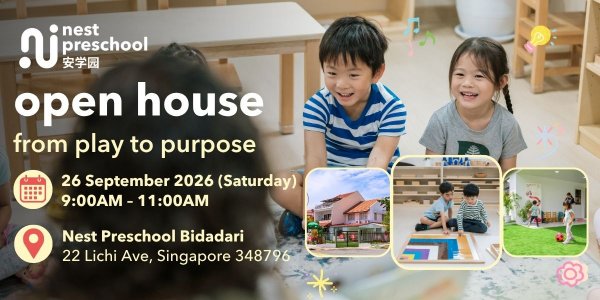
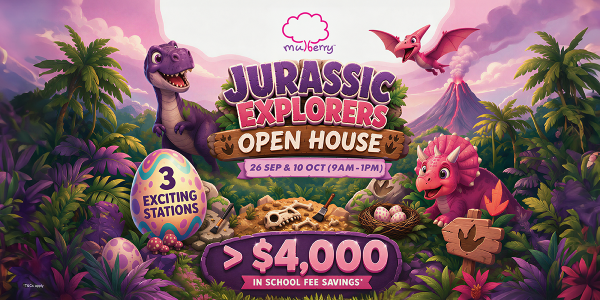
Open houses are genuinely valuable opportunities to get a feel for a school beyond its reputation. Skoolopedia regularly publishes updated open house listings so parents can plan their school visits well in advance and ask the right questions directly to school staff and teachers.
Making the Right Choice for Your Child
SAP schools occupy a unique and respected place in Singapore’s education landscape, offering a genuinely distinctive bilingual and bicultural experience that simply isn’t replicated elsewhere. For children who are well-suited to the environment, an SAP school can be a deeply enriching experience that shapes not just their language proficiency but their sense of cultural identity and intellectual confidence.
That said, the best school for your child is the one where they will feel engaged, supported, and excited to learn — whether or not it carries the SAP label. Taking the time to understand what the designation really involves, as you have done by reading this far, is already a meaningful step toward making an informed, thoughtful decision for your family.
If you’re in the midst of planning your child’s educational journey, from choosing the right preschool in your neighbourhood to researching enrichment options that can support bilingual learning, Skoolopedia is here to help. Explore our resources to find enrichment centres near you, including those offering Mandarin and Chinese cultural programmes that can give your child a strong foundation before primary school begins.
Plan Your Child’s Learning Journey with Skoolopedia
From preschool directories and enrichment centre listings to student care options near your home, Skoolopedia gives Singapore parents the tools to make confident, informed education decisions at every stage.
Give your Opinions