

Singapore’s Ministry of Education (MOE) system is globally respected, consistently producing students who excel in international benchmarks. Yet for a growing number of families, the national framework — with its emphasis on standardised examinations, subject streaming, and a prescribed path from PSLE through to the A-Levels — doesn’t quite match their child’s learning style, values, or long-term goals. Whether you’re an expatriate family on a short posting, a parent whose child thrives in a more inquiry-led environment, or someone simply exploring every available option, private schools in Singapore offer a rich and varied landscape worth understanding.
This guide walks you through the main alternatives to the MOE system available in Singapore today — from internationally accredited schools and Montessori campuses to independent religious institutions and even legally recognised homeschooling. We’ll cover how each pathway works, what it costs, how schools are regulated, and the key questions to ask before making a decision. Think of it as your starting point for navigating a choice that will shape your child’s education for years to come.
Why Some Families Look Beyond MOE Schools
The MOE system is built around a single, nationally coherent framework, which is both its greatest strength and, for some families, a point of friction. Children who struggle with high-stakes examinations, those who learn through movement or project-based methods, or students with specific learning differences may find the pace or structure difficult to adapt to. Equally, expatriate families who know they will relocate within a few years have a practical reason to prefer an internationally portable curriculum so that their child’s qualifications carry weight in multiple countries.
Cultural and philosophical reasons also play a role. Some parents want religious values woven into every subject area. Others prefer a slower, less competitive childhood — one where a six-year-old isn’t already preparing for examinations. And for a small but notable group, the concern is simply variety: they want to see what the world of education looks like outside a single national model before committing. Whatever the reason, Singapore’s private and independent school sector has matured considerably and now offers genuine, well-regulated options.
Types of Private Schools and Alternative Education Pathways
International Schools
International schools are the most visible alternative to the MOE system and cater predominantly (though not exclusively) to expatriate families. Schools such as the Singapore American School, Tanglin Trust, Chatsworth International, and dozens of others operate across the island, often with impressive campuses, strong co-curricular programmes, and well-credentialed teaching staff. Most offer an American, British, or globally blended curriculum, and many hold accreditation from bodies such as the Western Association of Schools and Colleges (WASC) or the Council of International Schools (CIS).
One important caveat for Singapore Citizens and Permanent Residents: places at most international schools are restricted or capped under MOE guidelines, to protect enrolment in national schools. Citizens, in particular, generally require MOE approval before enrolling in an international school, and some schools give priority admission to passport holders of their founding nation. It’s worth checking each school’s admissions policy carefully before assuming availability.
IB and Cambridge Curriculum Schools
The International Baccalaureate (IB) is one of the most widely recognised alternative qualifications globally. Singapore hosts a number of IB World Schools that offer the Primary Years Programme (PYP), Middle Years Programme (MYP), and the internationally respected Diploma Programme (IBDP) for students aged 16 to 19. The IBDP in particular is accepted by universities worldwide, making it an attractive pathway for families with global ambitions for their children.
Alongside IB, several schools offer the Cambridge International curriculum, leading to IGCSEs and A-Levels under the Cambridge Assessment International Education (CAIE) framework. Importantly, this is distinct from Singapore’s own A-Level examinations, even though both use Cambridge as a name reference. The Cambridge International pathway is fully portable and recognised by universities from the UK to Australia to Canada, giving families flexibility without sacrificing academic rigour.
Montessori and Child-Centred Schools
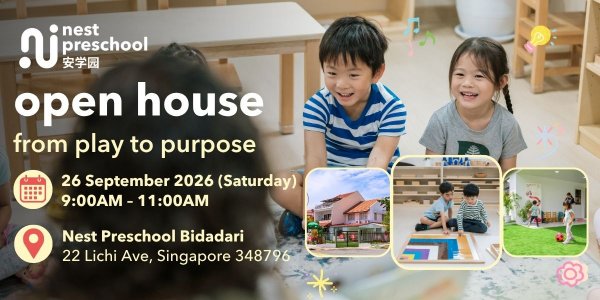
For younger children especially, Montessori schools represent one of the most popular alternatives to the mainstream system. Rooted in the philosophy of Maria Montessori, these schools prioritise self-directed learning, mixed-age classrooms, hands-on materials, and intrinsic motivation over external testing and rewards. In Singapore, Montessori options exist across the preschool and primary years, with a number of well-established centres operating island-wide.
Beyond Montessori, a handful of schools operate on other child-centred or progressive philosophies — Reggio Emilia-inspired approaches, forest school elements, or democratic education models where students have meaningful input into how their learning day is structured. These schools tend to be smaller, more community-oriented, and less examination-focused, which suits families who prioritise social-emotional development alongside academic foundations. If you’re searching for a preschool near your MRT station, Skoolopedia’s directory makes it easy to filter by location and philosophy.
Religious and Independent Schools
Singapore has a small number of fully independent schools that operate outside the MOE framework while still serving a local or mixed student population. Some are faith-based, integrating Christian, Catholic, Islamic, or other religious values deeply into their academic and pastoral programmes. Others were historically mission schools that have evolved their model over time. These institutions typically follow their own curriculum, though many still prepare students for recognised external qualifications.
It’s important to distinguish these from the Independent Schools within the MOE framework (such as Raffles Institution or Hwa Chong Institution), which receive government funding and follow national curricula but have more autonomy over school culture and programmes. Truly private independent schools outside the MOE system are a much smaller group and vary widely in size, resources, and educational philosophy.
Homeschooling in Singapore
Homeschooling is legal in Singapore but requires formal approval from MOE. Parents must apply for an exemption from compulsory education under the Compulsory Education Act, and the application is reviewed on a case-by-case basis. Approved homeschooling families typically submit annual progress reports to demonstrate that their child is receiving an adequate education. The homeschool community in Singapore is small but active, with several support groups and co-operative learning networks available for families navigating this path.
Families who homeschool often combine structured curriculum resources (including Cambridge or IB self-study programmes) with enrichment classes, online learning platforms, and group activities. If you are homeschooling and looking for academic enrichment or socialisation opportunities, Skoolopedia’s enrichment centre directory can help you find suitable programmes near your home.
Regulation and Registration: What Parents Need to Know
All private schools in Singapore that operate as educational institutions must be registered under the Private Education Act, administered by the Committee for Private Education (CPE) under SkillsFuture Singapore. This registration requirement ensures minimum standards in governance, financial management, student protection, and curriculum delivery. Schools that carry the EduTrust certification have gone a step further and met higher quality benchmarks — this is a signal worth looking for when shortlisting options.
For parents of Singapore Citizens, the interaction between private schooling and national obligations is a practical concern. Boys will still be subject to National Service requirements regardless of where they attended school. Additionally, children of citizens and PRs who attend private schools may need to sit for specific assessments if they wish to re-enter the MOE system at a later stage. Understanding these downstream implications before making a decision is essential, and speaking directly with prospective schools about their graduates’ transition pathways is always advisable.
Cost Considerations and Financial Planning
Cost is often the most significant practical barrier when moving outside the MOE system. Government-funded national schools are heavily subsidised, making them extremely affordable. Private and international schools, by contrast, can range from moderately priced to eye-wateringly expensive. Here’s a broad sense of the range families can expect:
- International schools (mainstream): Annual fees typically range from SGD 20,000 to over SGD 40,000 depending on school and year level, with additional capital levies and activity fees on top.
- IB-focused private schools: Fees vary but are broadly comparable to international schools; IBDP years are often the most expensive.
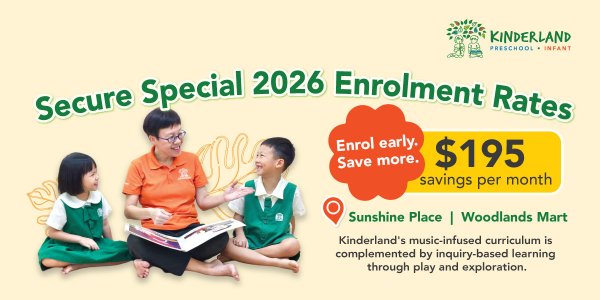
- Montessori and child-centred preschools: Fees range from SGD 1,500 to SGD 4,000+ per month, with significant variation based on programme hours and facilities.
- Homeschooling: Costs depend entirely on the curriculum and resources chosen, but families often find it far more affordable than a private school, especially when combined with targeted enrichment classes.
Some employers in Singapore — particularly multinational corporations — provide education allowances for expatriate staff, which effectively makes international school fees manageable. For local families, however, these costs are typically borne in full, making financial planning a non-negotiable part of the decision process. There are no government subsidies available for private schools outside the MOE framework.
How to Choose the Right Alternative School
Choosing a private school is rarely a single-criteria decision. Most parents find themselves balancing academic quality, school culture, location, cost, and their child’s individual temperament all at once. The following questions can help structure your thinking as you research and visit schools:
- What is the school’s educational philosophy, and does it align with how your child learns best?
- What qualifications do graduates leave with, and how widely are they recognised?
- What is the school’s track record for university placements, and which universities do alumni typically attend?
- How does the school support children with learning differences or additional needs?
- What is the student-to-teacher ratio, and how accessible are teachers to parents?
- How diverse is the student body, and does that reflect the environment you want for your child?
- What is the school’s policy if your family needs to leave Singapore mid-year?
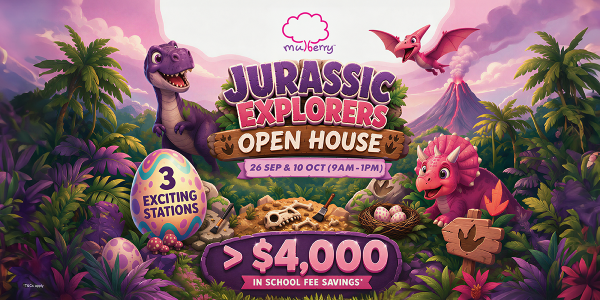
Open house events are one of the best ways to get an authentic feel for a school’s culture. Skoolopedia maintains regularly updated open house and holiday camp listings so you can plan visits without missing key dates. Talking to current parents through community forums or crowdsourced reviews also offers insights that no brochure will give you.
Weighing Up the Pros and Cons
No education system is perfect, and private alternatives to the MOE framework come with genuine trade-offs alongside their benefits. The advantages often cited by parents who have made the switch include greater flexibility in learning pace, a more internationally portable qualification, smaller class sizes, and a school culture that may feel less examination-pressured. For children who are highly creative, atypical learners, or simply more comfortable in a less structured environment, these differences can be transformative.
On the other side of the ledger, private schools lack the deep community integration and social mixing that national schools naturally provide. The MOE system also offers well-established pathways to Singapore’s top universities and a structured support network for students at every level. For families who intend to remain in Singapore long-term and whose children will build careers here, the national system’s local recognition and social networks should not be underestimated. Many families ultimately take a hybrid approach, particularly at the preschool and enrichment level, pairing an MOE-affiliated school with targeted supplementary programmes to get the best of both worlds. Skoolopedia’s student care directory can help families find after-school care options that complement any schooling choice.
Final Thoughts
Singapore’s private school landscape has never been more varied or more accessible to informed parents. From rigorous IB campuses and internationally accredited international schools to Montessori preschools and approved homeschooling arrangements, the alternatives to the MOE system are real, regulated, and in many cases, exceptional. The key is doing the research, visiting schools in person, speaking with families who have walked the path before you, and being honest about what your child actually needs, not just what looks impressive on paper.
Whatever path you choose, the goal is the same: a child who is engaged, supported, and growing into the person they’re meant to be. That journey starts with finding the right information, and that’s exactly what Skoolopedia is here to help with.
Ready to Explore Your Options?
Skoolopedia brings together Singapore’s most comprehensive directory of preschools, enrichment centres, and student care facilities, all searchable by neighbourhood and MRT station. Whether you’re comparing private preschools or looking for enrichment to complement any school choice, we make the research easier.
Visit Skoolopedia.com to start exploring, or join the Skoolopedia community for exclusive access to expert Q&As, open house alerts, and parent reviews that help you make confident education decisions for your family.
Give your Opinions