

Empowering Tomorrow’s Creators: A Conversation with Harsha Bharwani, Founder of Alphagen Learning
In an era where technology reshapes every industry, one educator is pioneering a new approach to prepare Singapore’s youth for an uncertain but exciting future. Harsha Bharwani, founder of Alphagen Learning, shares her journey from Microsoft to creating a coding education platform that prioritizes individual attention and real-world skills.

The Journey: From Corporate Tech to Educational Innovation
Harsha’s path to founding Alphagen Learning began long before she realized it. “My journey into education started years ago.” she reflects. “From diving into a fast-track computer science diploma before polytechnic to joining the pioneering batch for an e-commerce diploma, I’ve seen how technology transforms opportunities—for both individuals and industries.”
Her tech journey continued at Microsoft, where she was “surrounded by cutting-edge technology that’s really affected everything in the world.” However, life took her to India in 2007, where she and her husband started a retail business – “very different from this, very much brick and mortar.”
The catalyst for Alphagen Learning came in 2021 when COVID brought the family back to Singapore. When her son enrolled in local school after attending an IB school in India, she had a revelation: “The education system here hadn’t changed very much since I was in school.”
The contrast was stark. “You still have large classrooms, 40-plus kids, still a lot of memorization, very few presentation chances for students,” she observed. More concerning was what she saw as a significant gap: “I saw a very significant difference in terms of how tech-savvy our school kids are here compared to some other countries.”
Overcoming Early Challenges
What challenges did you face in the early days, and how did you overcome them?
Starting an online education platform during a pandemic presented unique obstacles. “COVID was definitely one of the limiting factors back then,” Harsha admits. However, she turned this constraint into an advantage by embracing the online format completely.
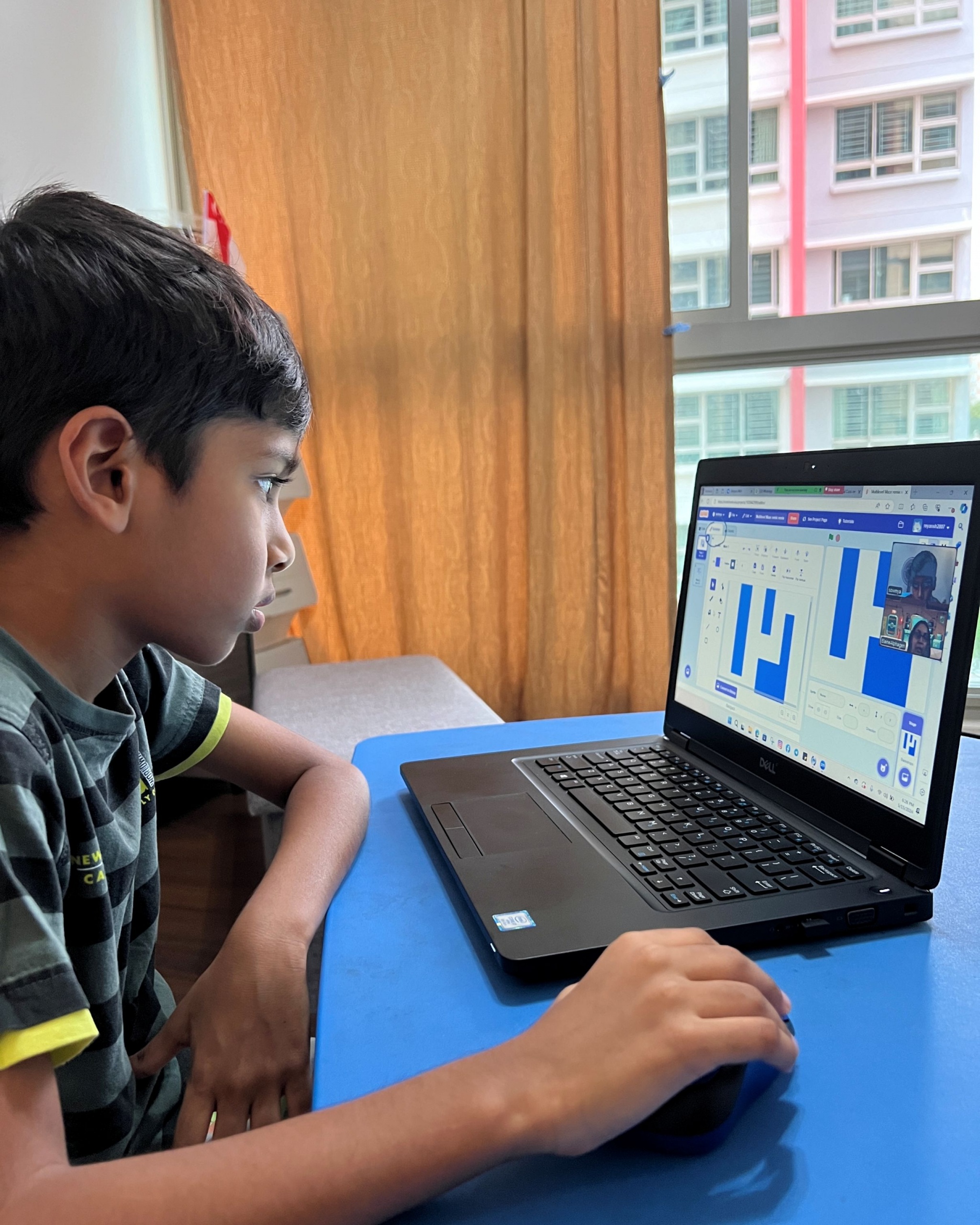
The decision to go online wasn’t just about pandemic restrictions – it was strategic. “For us to teach one-on-one in Singapore, you basically can’t do that in an affordable way unless you’re online,” she explains. This allowed Alphagen to offer personalized attention while keeping costs reasonable for families.
One of the biggest ongoing challenges remains changing perceptions. “I still feel today that many parents think coding is optional,” Harsha notes. “Some parents do feel it’s important, but many of them underplay the value having a strong tech foundation will give their kids in the future.”
To address this, Alphagen focuses on demonstrating value through results and offers free 60-minute trial classes so families can experience their teaching approach firsthand.
Defining and Achieving Student Success
How do you define success for your students—and how do you help them achieve it?
For Harsha, success goes far beyond coding proficiency. “We believe today’s youth need more than just academic knowledge to succeed—they need critical life skills like problem solving, critical thinking, logical reasoning, curiosity, creativity, and confidence.”
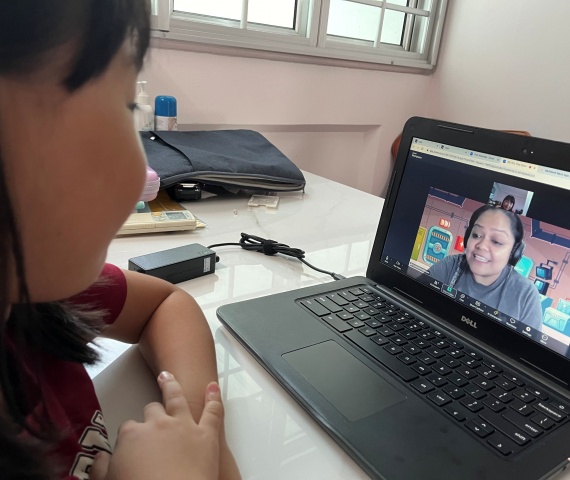
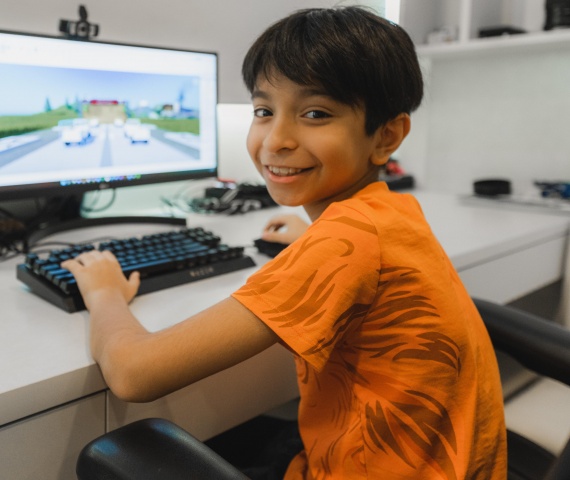
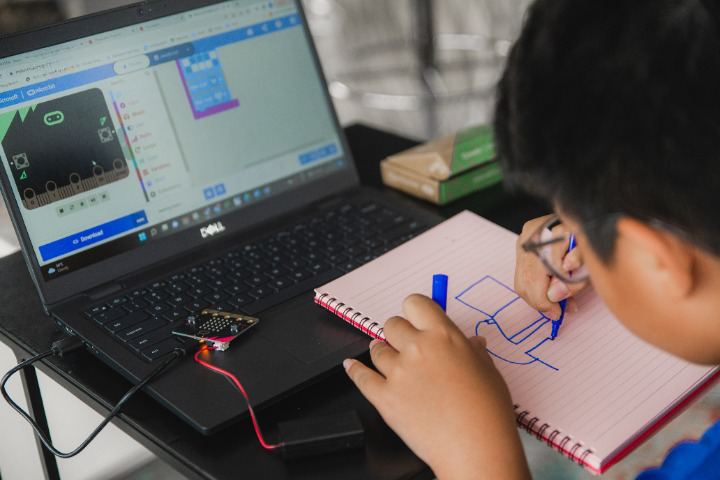
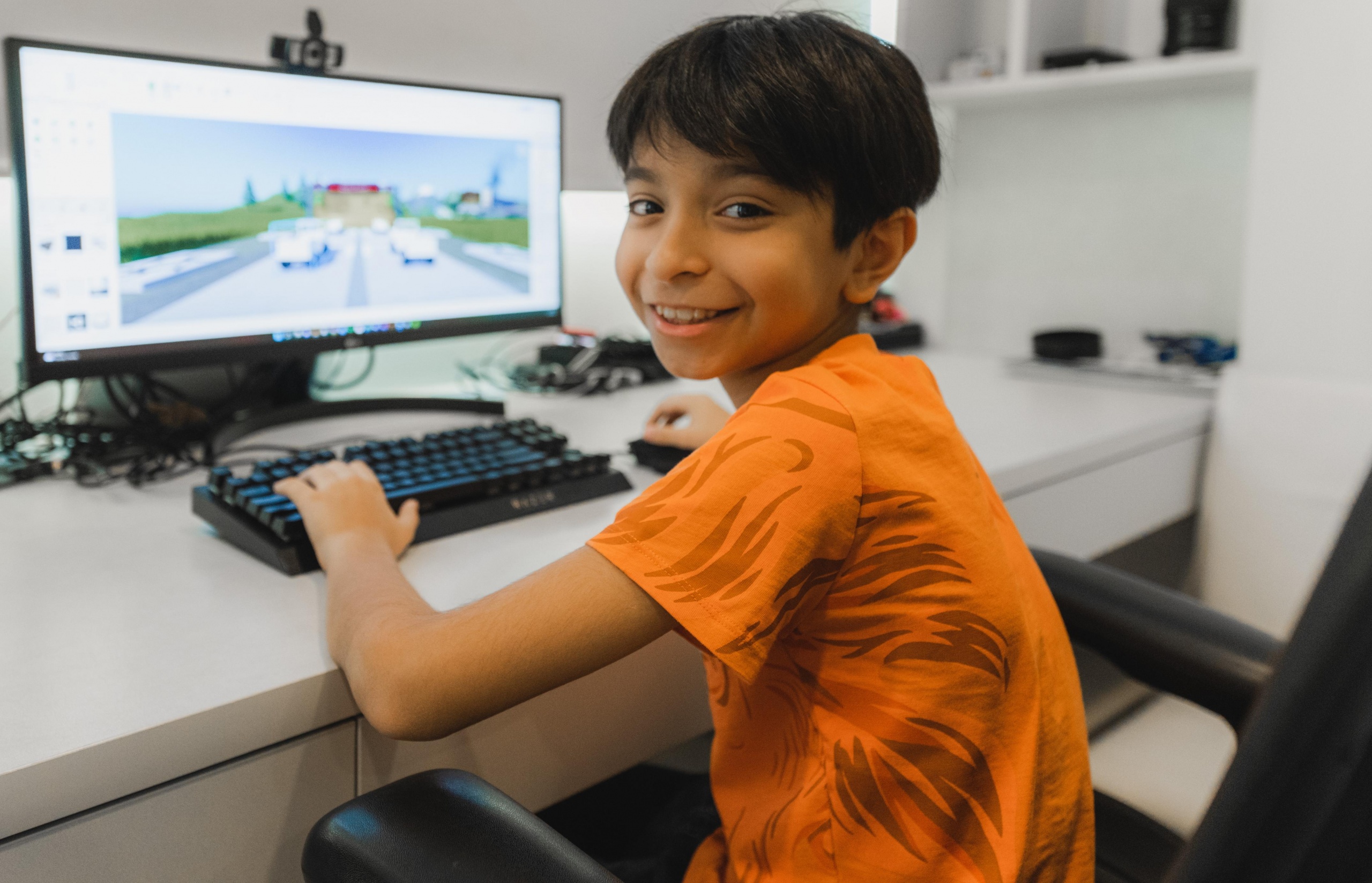
Alphagen’s approach centers on what Harsha calls “100% Individualised Attention.” Classes are held one-on-one, with lessons tailored to each learner’s unique needs, interests, and learning pace. “Our teachers act as mentors or coaches,” she explains, “guiding each learner through a discovery process where students aren’t just following instructions – they’re empowered to experiment, create, and truly own their ideas. This mentor-coach model helps unlock each child’s individual strengths and interests.”
Alphagen’s teachers are carefully selected and receive ongoing training, so they’re equipped to mentor each student using the latest educational tools and best practices.
The curriculum itself reflects real-world applications. “We’ve changed our curriculum over time to make it more applicable to the real world. One of the inspirations we draw from is the UN Sustainability Goals – things like climate focus, water conservation. We try to incorporate these themes into our projects.”
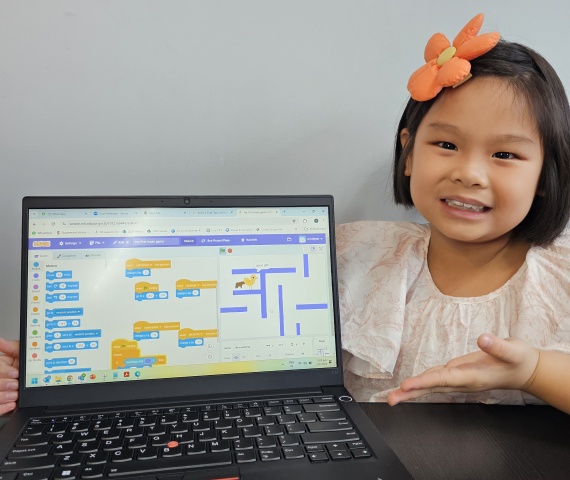
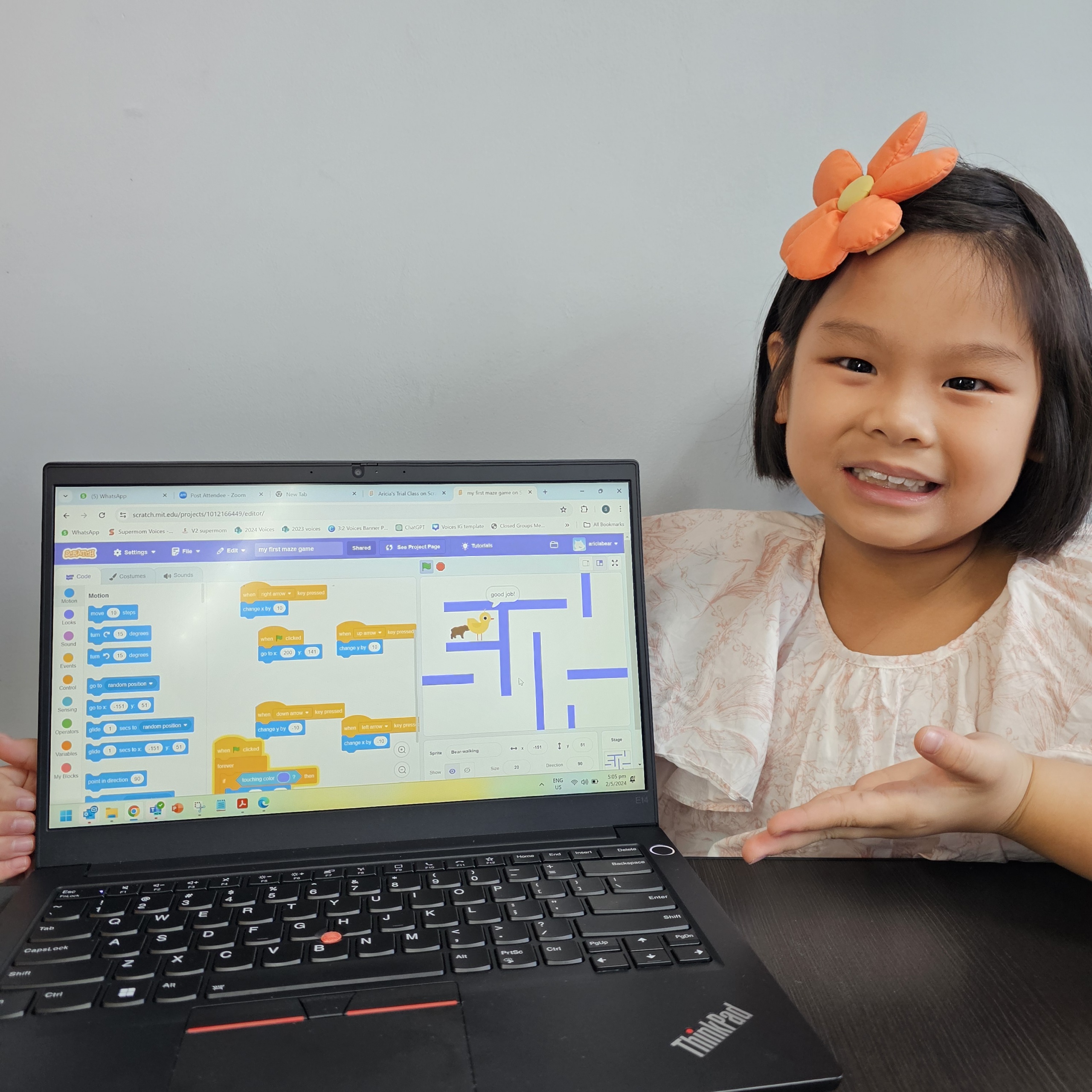
Success stories at Alphagen are measured not just in technical skills but in personal growth. “What truly inspires us are the journeys of students who, despite initial reservations or challenges, grow into confident coders and communicators. They not only express their creativity through their work but also find their voice in class.”
Addressing Common Misconceptions
What are some misconceptions parents often have when choosing enrichment programmes?
One significant misconception Harsha encounters relates to AI and self-directed learning. Parents often ask why they should pay for structured coding education when children can learn from YouTube or AI tools.
“We’re very cautious when it comes to AI use for kids,” Harsha explains. While Alphagen incorporates AI education, it’s age-appropriate and emphasizes ethical use. “We see AI as a powerful tool—when used thoughtfully and ethically. Our curriculum includes age-appropriate digital literacy: students learn when and how to use AI responsibly, how to verify information, and how to leverage technology as a creative partner, not a crutch.”
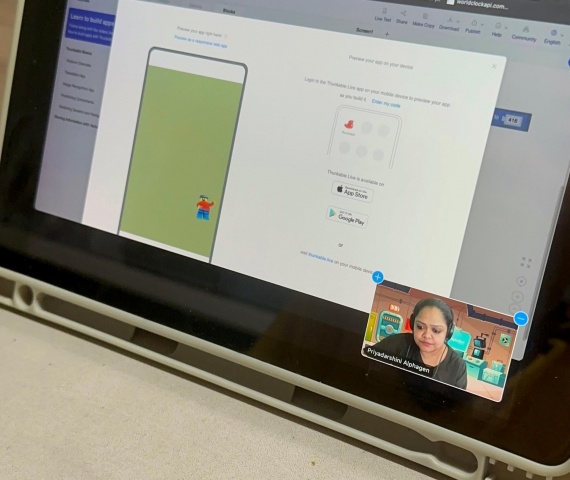
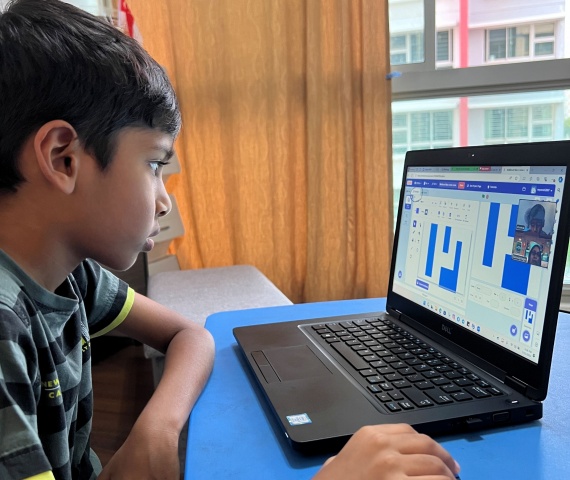
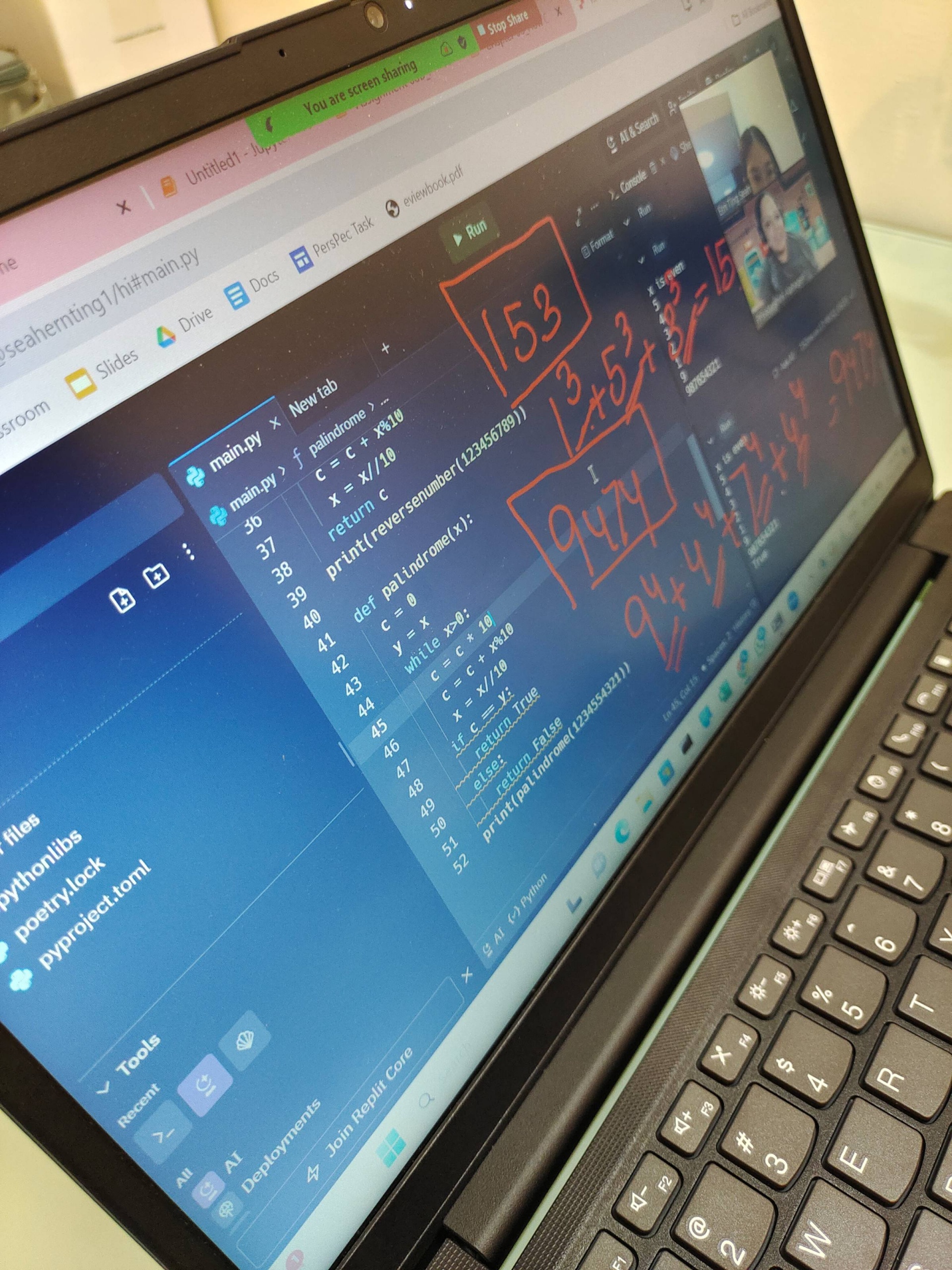
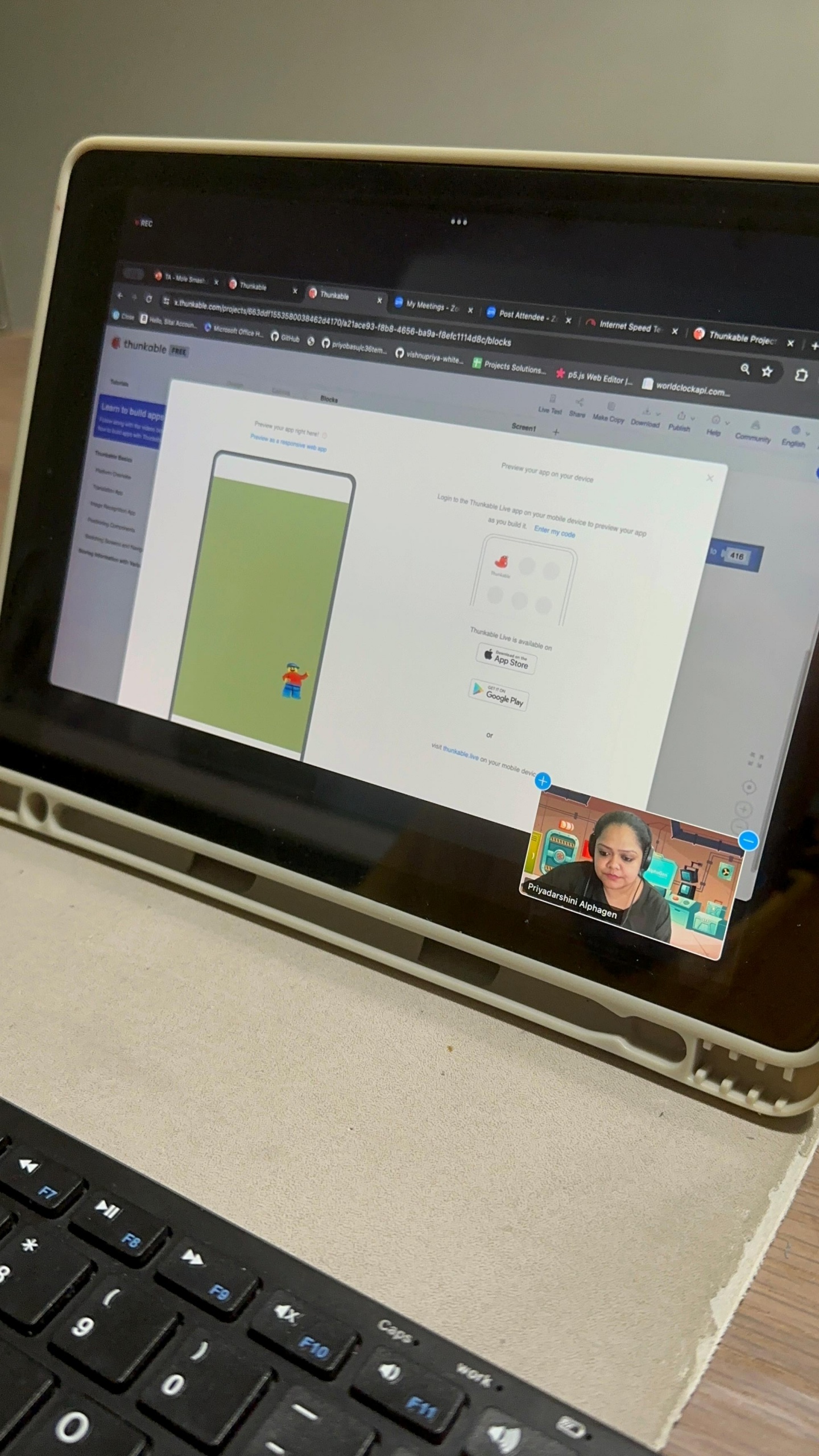
Another misconception is that online learning can’t be as effective as in-person instruction. “I personally feel it’s more effective online than it is in person,” Harsha argues. “We’ve found that the online format – combined with true one-on-one attention – often leads to even deeper learning than traditional classrooms. Real-time screen sharing allows our mentors to spot challenges and guide students instantly, making each session highly interactive and tailored.”
Parents also sometimes underestimate the importance of coding education altogether. “Learning how to code is the language of the future,” Harsha emphasizes. “AI has really changed the world so drastically in the last year that coding and the skill set it helps develop—like problem-solving mindset, growth mindset—these are essential.”
The Future of Enrichment Education
How do you see enrichment education evolving in the next 5 years?
Harsha envisions a fundamental shift in how we prepare students for the future workforce. “What’s really keeping us busy today is that there have been a lot of AI developments in the last 6 or 9 months. We are significantly revamping our curriculum to make sure it’s up-to-date.”
She’s particularly excited about emerging concepts like “vibe coding”- leveraging AI to build applications without deep coding expertise, opening new creative and entrepreneurial opportunities for all students. “Today, if someone has a good business idea, AI is a great option to help you actually roll out your solution faster, even if you don’t have a technical background.”
The role of traditional technical expertise is evolving. “Most large companies rely on a CTO to develop an app or product. That need is slowly disappearing,” she observes. Instead, the focus is shifting toward understanding how to leverage AI tools effectively.
Alphagen is also exploring AI agent workflows to add to it’s curriculum: “Today you don’t need 100 employees for a small or medium-sized business. You can manage with 15 or 20 employees and a team of AI agents to do routine, repetitive tasks.”
Advice for Parents
If you could give one piece of advice to a parent navigating today’s education options, what would it be?
Harsha’s advice is both practical and profound: “We should not be expecting children or our youth today to be learning the same way that we did. The education that we have as adults is very different, and kids need to learn in a way that’s relevant to the world they are living in today.”
She emphasizes the rapid pace of change: “Technology today changes so fast that much of what I used growing up doesn’t even exist anymore. What’s most important isn’t memorizing facts or old methods but learning to adapt and keep growing. The world our kids will enter 20 years from now will look very different, so we focus on giving them the confidence and skills to succeed no matter how things change.”
The key is focusing on transferable skills rather than specific technical knowledge. “The most valuable skills for the next generation aren’t limited to coding syntax – they’re the ability to solve problems, think critically, adapt, and persevere. Our focus is on nurturing these mindsets, so our students can thrive in a world of constant change.”
About Alphagen Learning
Founded in 2021, Alphagen Learning offers one-on-one online coding education for students aged 6 and above. The centre provides personalized instruction in programming languages, game development, AI, 3D printing, and virtual reality. With a focus on project-based learning and individual attention, Alphagen aims to prepare students not just as coders, but as confident, adaptable creators ready for the future.
Core Offerings:
- One-on-one personalized coding instruction
- Age-appropriate AI and machine learning education
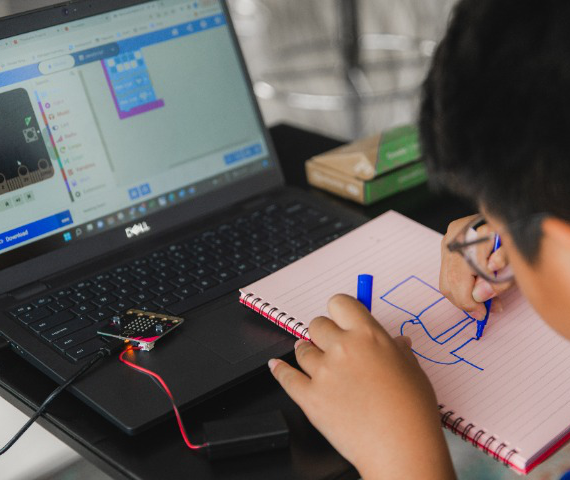
- Game development and app creation
- 3D printing and virtual reality experiences
- Project-based learning with real-world applications
Teaching Philosophy:
- Growth mindset culture that celebrates mistakes as learning opportunities
- Student-led projects reflecting personal interests and passions
- Qualified coaching with rigorous teacher selection and ongoing training
- Focus on transferable skills: problem-solving, critical thinking, and creativity
For more information about Alphagen Learning, visit alphagenlearning.com










Give your Opinions