

In our Founder Spotlight series, we meet educators who are shaping Singapore’s enrichment landscape. Today, we sit down with Michael Kurniawan, Chairman of Dandelion School of Music, whose unexpected path from tech start-ups to music education reveals the power of preserving legacy whilst building for the future.
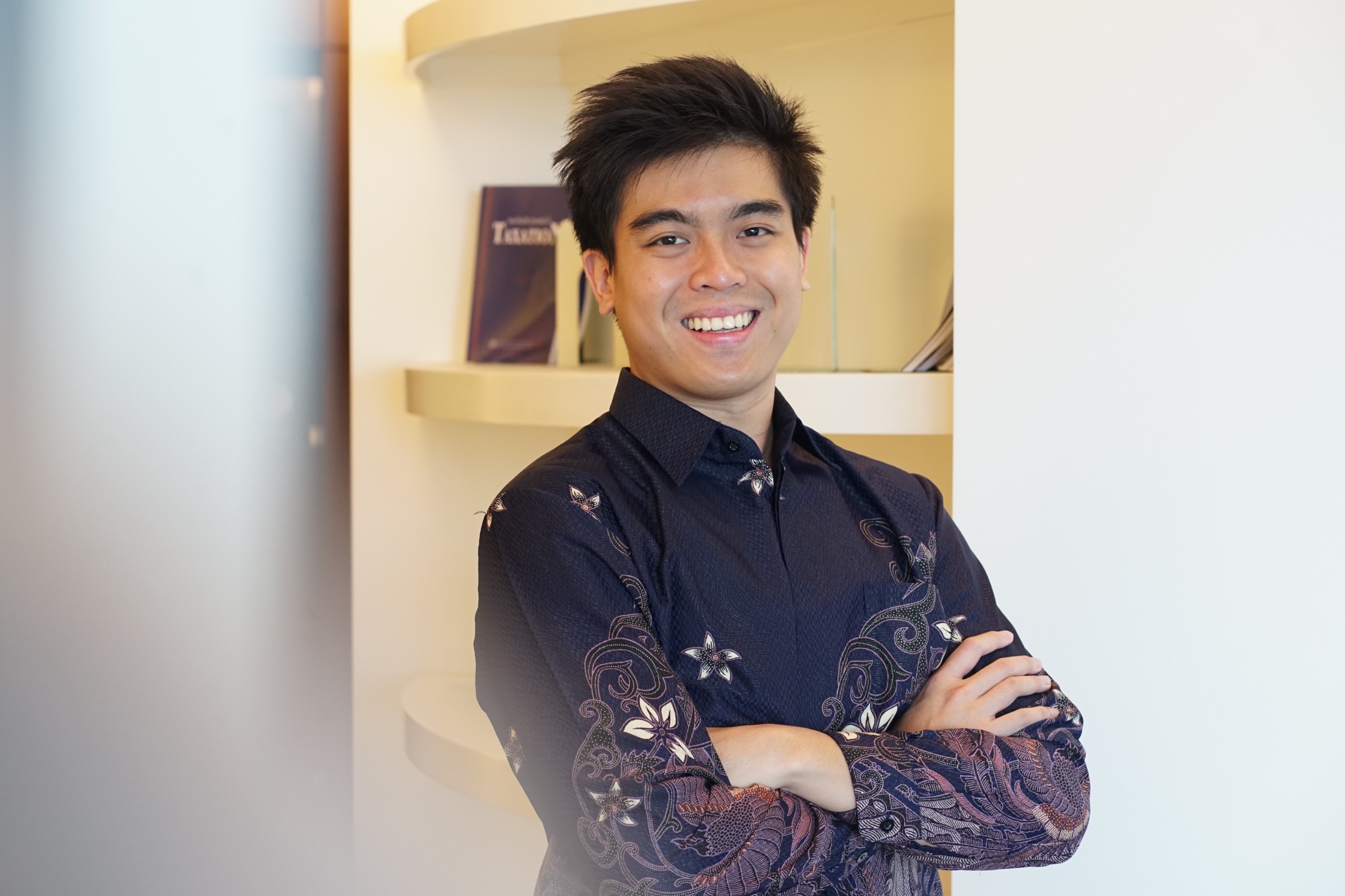
A Second Chance for Dandelion
When Michael Kurniawan received a call in November 2024 about acquiring a music school, he wasn’t looking to enter the education sector. With a background spanning the arts and tech start-ups—from acting in his secondary school years to mobile gaming and AI applications for palm oil fertilisers—music education seemed like an unlikely pivot. Yet something about the story of Dandelion School of Music resonated deeply with him.
“I also have a background in acting from my secondary school years, where I had the opportunity to star in television films, advertisements (TV, social media, and billboards) for major brands such as KFC and Telkomsel, as well as soap operas and other productions. These experiences not only shaped my confidence and creativity but also reflect how deeply art has always been a part of my life. Then right after that, I pivoted to make start-ups,” Michael reflects.
“The previous owner was facing a difficult situation,” Michael explains. “Katong Plaza was going en bloc in June 2025, and she needed to find new premises. But more than that, she was genuinely concerned about her students and teachers—some of whom had been with the school for over five years, and even some of them have worked for more than 10 years. She didn’t want to just close down; she wanted to find someone who would preserve what Dandelion represented.”
That someone turned out be Michael. Despite having no formal background in running a music school, he was drawn to the school’s vision and the responsibility of continuing the musical journeys of dozens of students.
More Than Just Music Lessons
What struck Michael most about Dandelion wasn’t just its educational approach, but what the name itself symbolised. “Our vision is to nurture and unlock each student’s hidden musical potential so they can spread positivity to the world, much like dandelion seeds carried by the wind,” he shares. “When the previous owner asked if I planned to change the school’s name, I told her I wouldn’t—because I loved what ‘Dandelion’ represents.”
This philosophy extends beyond the poetic metaphor. Michael’s journey in the art world spanning from music and acting, and his art sense that was cultivated since he was young, taught him that arts education offers something far more valuable than technical skills. He actually took courses for three instruments in his time: Piano, Violin, and Vocal. Violin was the shortest as he didn’t really like it—it was only a year.
“I’ve never seen myself as just a musician, but more as a generalist in the arts. My very first acting role in a television film was nerve-wracking, as was my first advertising shoot. The same goes for my first piano competition—it was an equally intense and unforgettable experience,” he reflects. “Learning arts builds confidence that transcends just playing an instrument or performing. But when you do it over and over again, you develop mental calluses. That confidence has served me well in business too.”
Navigating Early Challenges
Taking over a small school came with its own set of challenges. The most immediate was the practical concern of rental costs—a significant factor for any Singapore-based business. “Rental is definitely one of the highest cost factors for retail businesses in Singapore,” Michael notes.
But beyond the financial considerations, the real challenge lay in building the right team. “There’s a very different skill set between being a good performer and being a good teacher,” he explains. “We can have someone who performs beautifully but doesn’t necessarily know how to teach effectively. Since we’re in education, finding teachers who can serve students well is crucial.”
Michael’s approach to overcoming these challenges has been methodical. Rather than trying to revolutionise everything immediately, he focused on preserving what was working whilst gradually implementing improvements. The school maintained its personalised service approach, flexible scheduling policies, and commitment to two recitals per year—more than most music schools offer. You can also mention their “affordable rates”—the rates are not increasing although grades are increasing unlike other music schools.
Innovation Through Integration
Where Michael’s tech background truly shines is in his innovative curriculum development. He’s currently developing a “Music Adventure” programme for toddlers aged 2.5 to 5, which integrates characters and storylines from mobile games he previously created.
“Traditional music books for young children are just music notes here and there—there’s no storyline, so it’s not engaging,” he explains. “By integrating game characters and narratives into the curriculum, children feel like they’re helping the main character when they complete exercises. It makes the learning process more engaging.”
This isn’t gamification in the conventional sense—it’s storytelling that makes music education accessible to very young learners. The curriculum includes stickers featuring game characters and exercises that feel like adventures rather than drills.
Defining Success Beyond Grades
For Michael, student success isn’t measured solely by grade progressions or technical proficiency. Two particular stories illustrate his broader definition of achievement.
“We have a teenage student who’s been with us for years and has written his own original acoustic guitar song called ‘Blue Winter.’ Our teacher worked closely with him on creating this original composition. Writing an original song is never easy, but at Dandelion, we love helping students discover just how much they can do when they believe in their own talent.”
Perhaps even more meaningful are the students with learning challenges who have flourished through music. “We’ve seen them learn to manage their emotions better, communicate more clearly, and sharpen their thinking skills—all through practising and enjoying music. These moments remind us that music isn’t just about playing an instrument; it’s about helping people grow.”
Addressing Parent Misconceptions
When it comes to common misconceptions parents have about music education, Michael is candid about the difference between commercial and educational priorities.
“Parents should look for music schools that genuinely care about their child’s musical progress and have genuine feelings about helping kids, not just the economic benefit,” he advises. “When you run a school too commercially, the learning progress often becomes secondary.”
His philosophy centres on finding the right match between student and teacher. “We’re proud to be one of the few schools that maintains affordable rates without increasing prices as students progress to higher grades. But more importantly, we focus on the relationship between parents, students, and teachers.”
The Future of Music Education
Looking ahead, Michael sees technology playing a supportive rather than disruptive role in music education. He’s exploring AI applications for teacher-student matching, where students fill out forms about their preferences and learning styles, and AI helps identify the most suitable teacher.
“AI will never erase the music industry forever. AI might disrupt some of the business process, but will never erase it. The reason is well explained here, because humans love interactions and connections with other humans (i.e. musical concerts that are performed by other humans),” he explains. “The ones learning music are still humans, and if you really want to learn something well, human connection and offline learning remain superior.”
Regional Expansion Plans
Michael’s ambitions extend beyond Singapore’s borders. Dandelion School of Music plans to open its first international branch in Jakarta by October 2025, with Singapore remaining as headquarters.
“Because I’m from Indonesia, Jakarta is naturally our second destination,” he explains. “We’re excited to be one of the first Singaporean music schools to expand internationally.”
The expansion strategy also includes partnerships with preschools. Currently providing Edutainment programmes at Etonhouse for the weekend programme, Michael sees significant potential in after-school music programmes for young children.
Building Strategic Partnerships
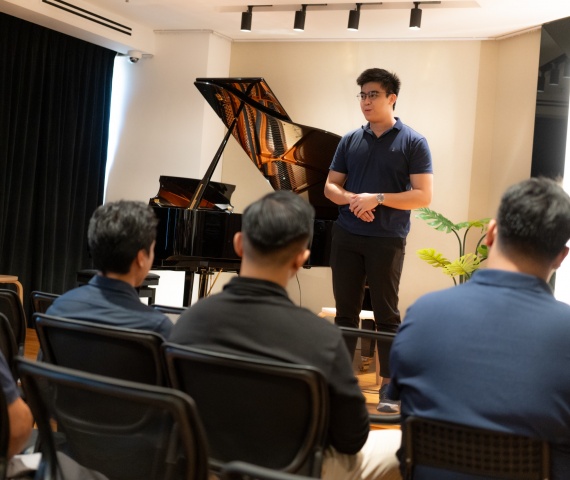
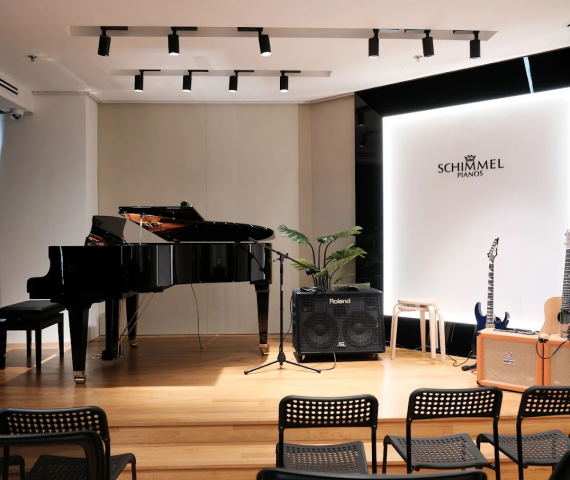
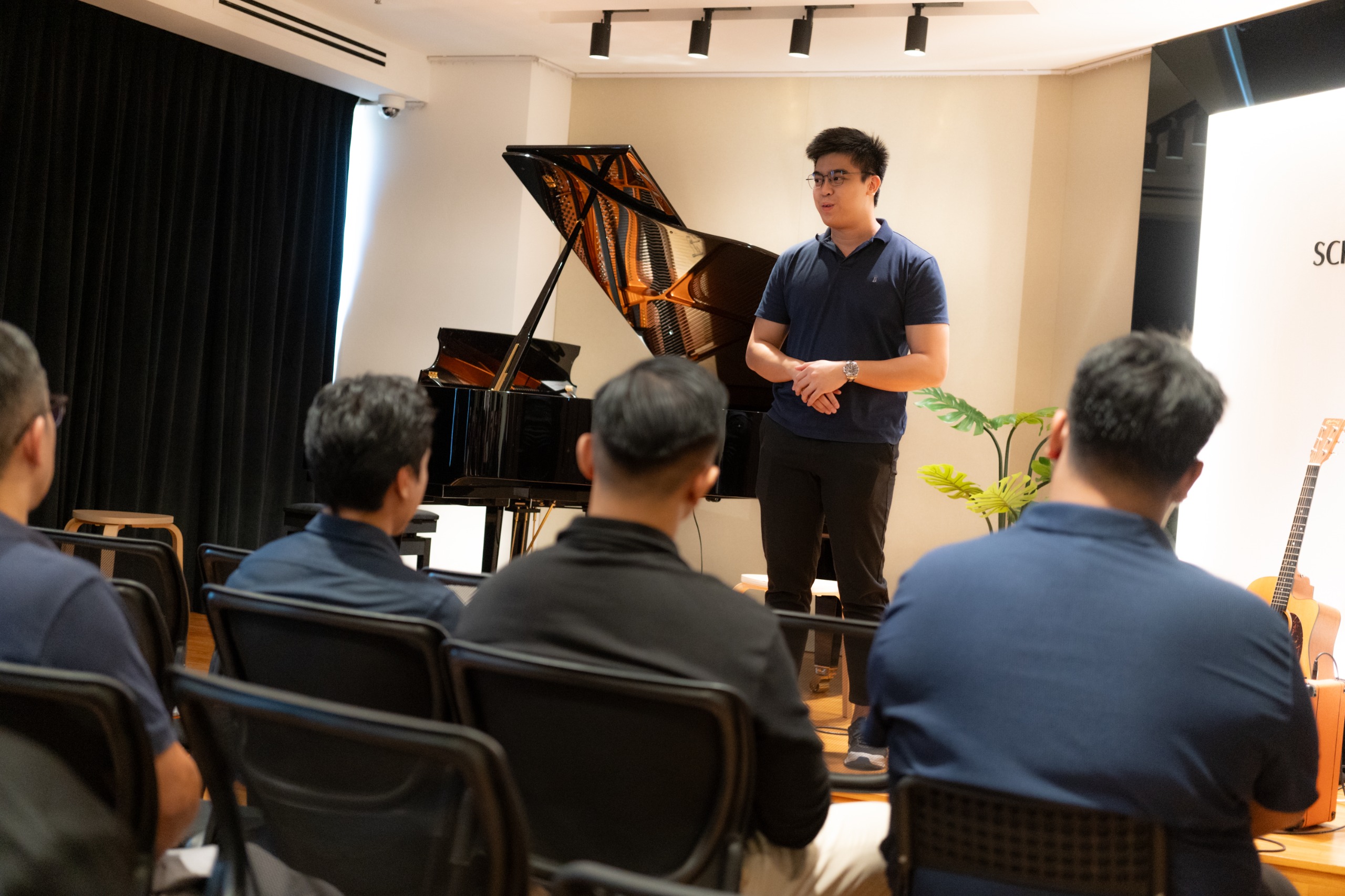
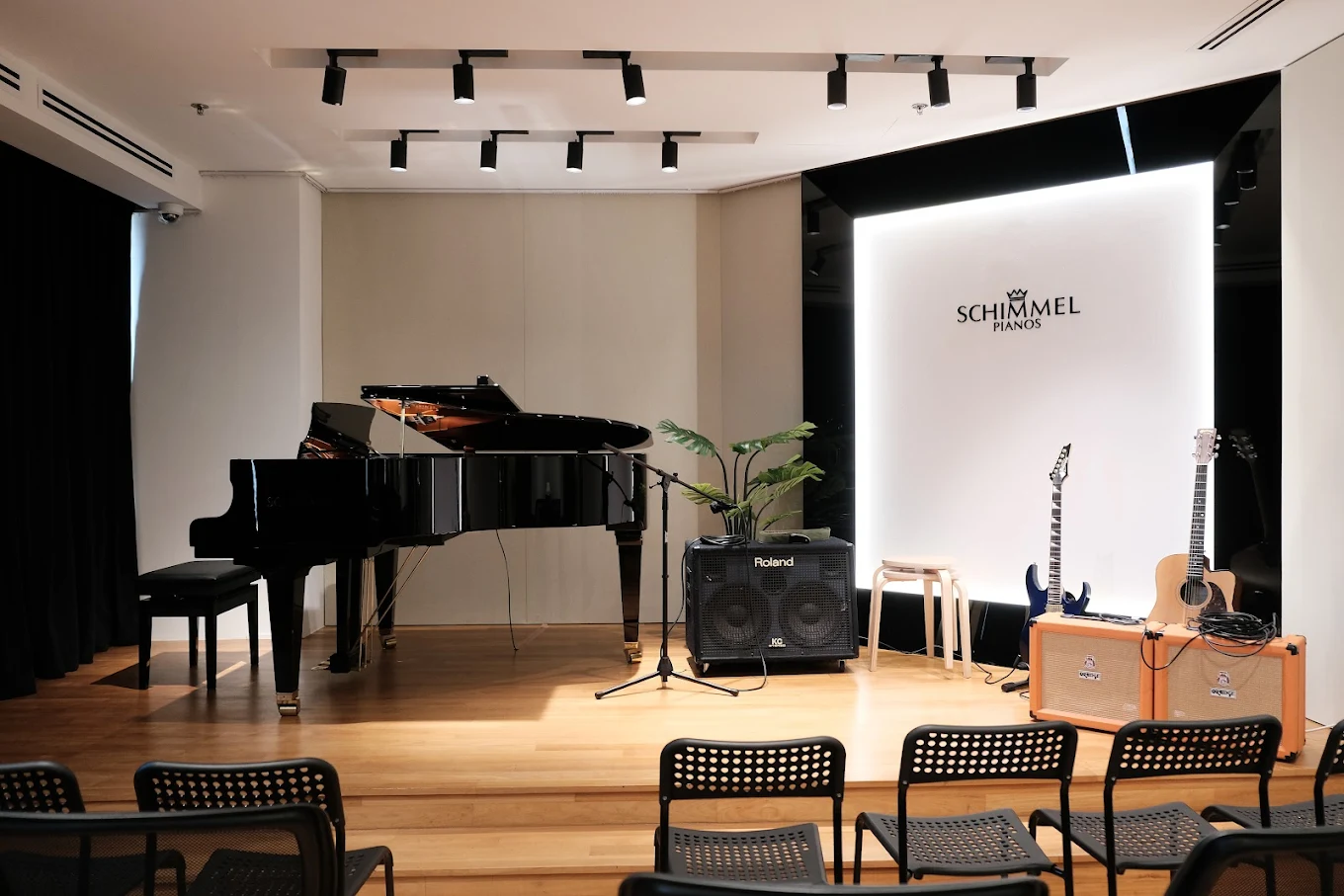
Dandelion is proudly forging partnerships with some of the prominent brands like Schimmel Pianos, Maestro Guitars, and others. For Schimmel Pianos, they also proudly host a recital hall within Dandelion’s premises. These partnerships provide practical benefits like additional performance opportunities for students.
“It makes us quite flexible in terms of conducting recitals within our own school,” Michael explains.
You can also mention that they are partnering up with Tiny Play Dates to become one of the partners that give discounts for any Tiny Play Dates member—a platform for parents to find their kids playdates around Singapore.
A Personal Touch in a Digital World
What sets Dandelion apart in an increasingly crowded market isn’t just its affordable pricing or convenient location, but its commitment to personalised service. “We really focus on developing relationships between parents, teachers, and students,” Michael emphasises. “Parents can easily communicate directly with our managers and teachers, and we’re flexible with scheduling when emergencies arise.”
This personal approach extends to the school’s broader philosophy. Rather than focusing on selling instruments—a common revenue stream for music schools—Michael has chosen to keep the focus on education quality.
Advice for Parents
When asked for one piece of advice for parents navigating today’s education options, Michael’s response reflects his broader educational philosophy: “Look for schools that genuinely care about your child’s musical progress and have authentic feelings about helping kids grow, rather than focusing solely on economic benefits. When a school becomes too commercial, learning often takes a backseat.”
Looking Forward
As Dandelion School of Music prepares for its next chapter, Michael’s vision remains grounded in the same principles that drew him to acquire the school: preserving what works whilst innovating thoughtfully, maintaining affordability without compromising quality, and always keeping student growth at the centre of everything.
“Education has transformed my life, and I want to give back by making quality music education accessible to everyone,” he concludes. “That’s what Dandelion represents—spreading positivity and growth, one student at a time.”
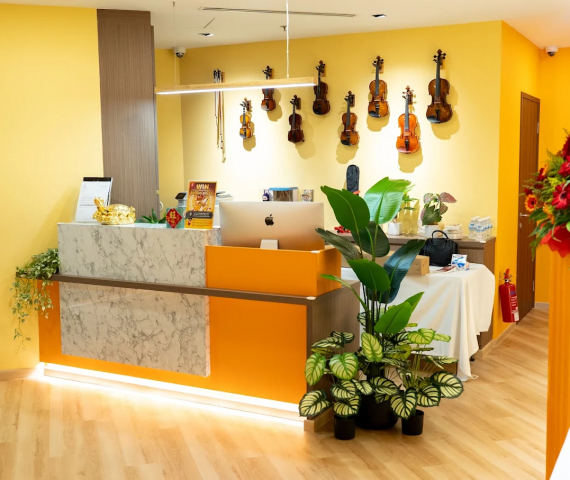
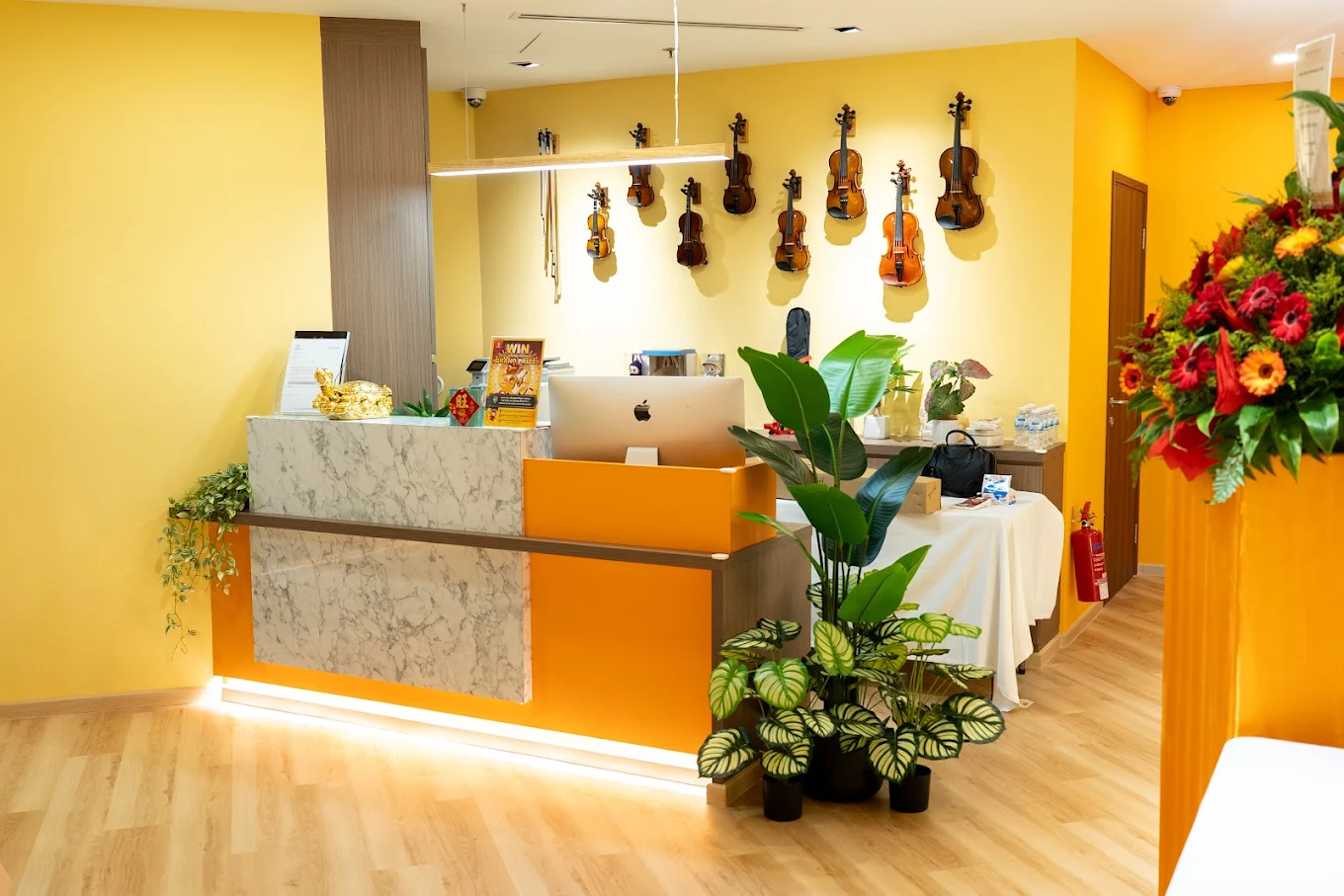
Dandelion School of Music is located at Parkway Parade and offers lessons in piano, violin, guitar, vocals, ukulele, flute and also music and movement for students from toddlers to adults. The school is known for its personalised approach, qualified teachers, and commitment to affordable, quality music education.

Give your Opinions