

From Engineer to Luthier: Alan Senejani’s Journey in Building Singapore’s Unique Music Academy
Alan Senejani, Co-founder and Head Luthier of LVL Music Academy, shares how a career change and family circumstances led to creating Singapore’s only one-stop music education centre.
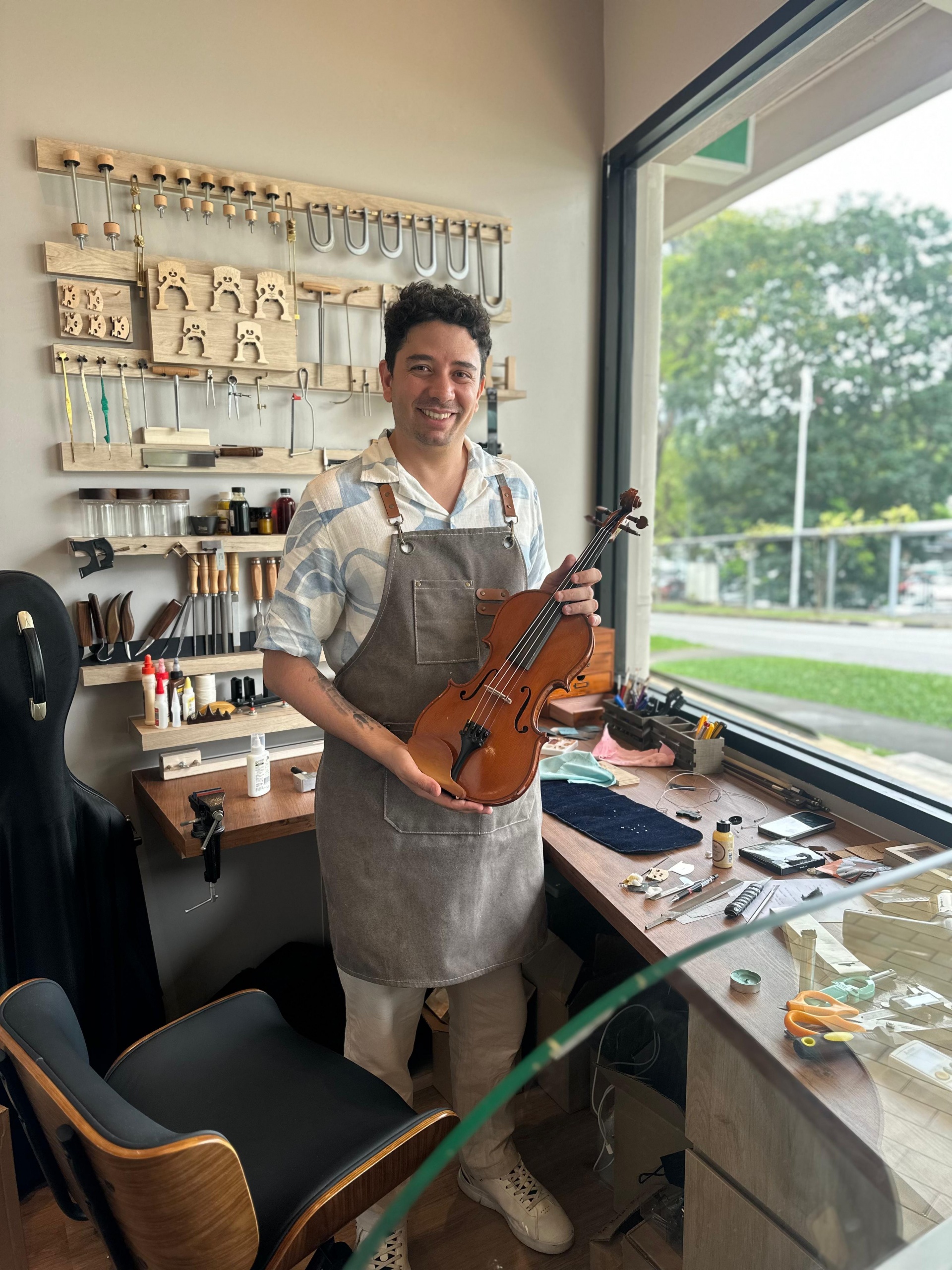
The Unexpected Path to Music Education
Alan Senejani’s journey into music education began far from where one might expect. “I actually graduated as an engineer in building automation, so it’s completely different,” Alan reflects on his early career path. For years, he worked as an engineer, but after meeting his wife Janice and settling into married life, a realisation dawned on him: “That’s not what I want to do.”
The catalyst for change came through his wife Janice, a violin teacher who had built a dedicated student base teaching from home. When the couple had a child, Janice found herself unable to continue teaching, but they faced a dilemma. “Ms Janice did not want to let go of her students halfway suddenly just because she cannot teach them anymore,” Alan explains.
This challenge sparked the creation of LVL Music Academy in 2013. The acronym stands for “Learn Violin Lessons,” reflecting its humble beginnings. “We basically started by engaging different teachers to help grow these students and not just leave them halfway.”
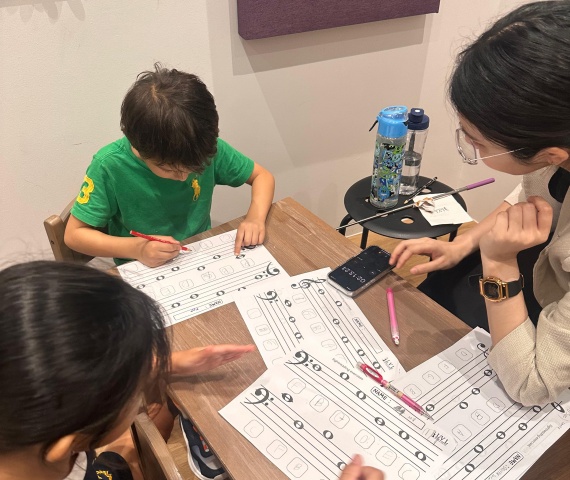
What began as a solution to a personal problem evolved into something much larger. “From there, we realised there is this gap in the market where a lot of music schools around do not really have proper curriculum space,” Alan notes. Most schools relied on individual teachers with inconsistent approaches, leaving students without a solid foundation.
The Luthier’s Apprenticeship
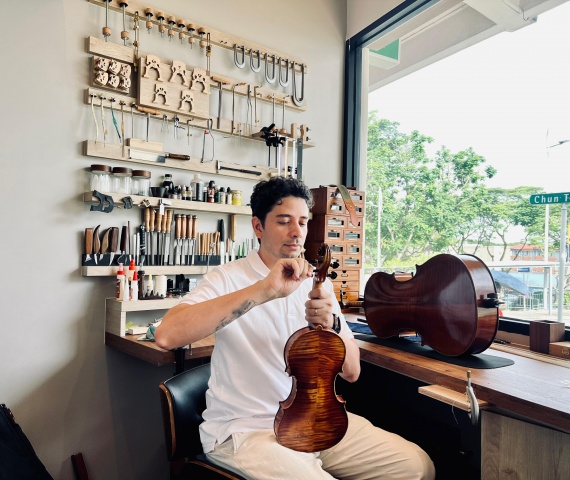
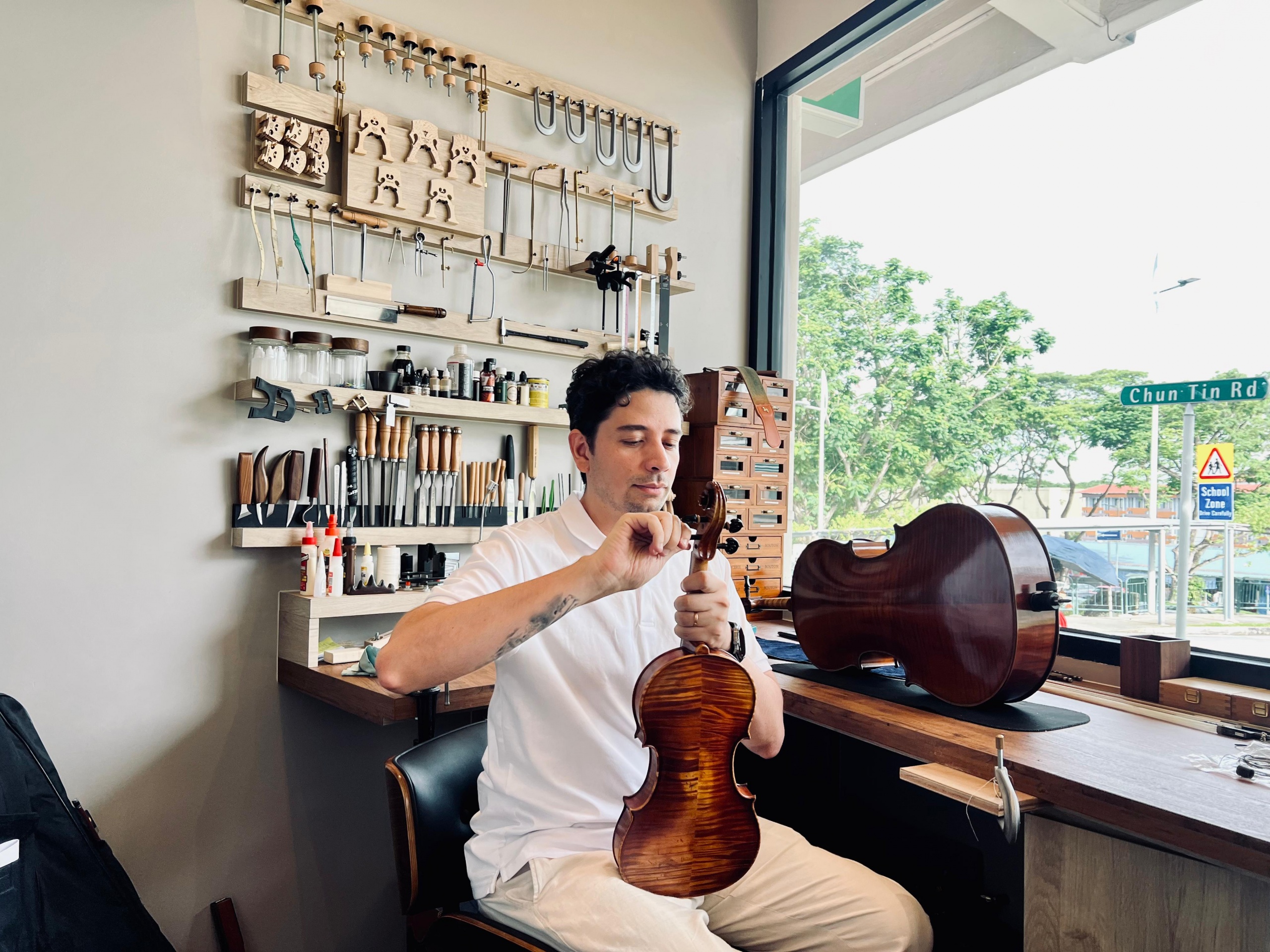
Alan’s transformation from engineer to luthier represents perhaps the most remarkable aspect of his journey. With no prior knowledge of stringed instruments, he embarked on an intensive learning process that took him across continents.
“I started exploring music, learning how a violin is made, how a cello is made, and what are the different types of wood tones,” he recalls. “I travelled to Germany, to Italy, to meet different luthiers, to learn from them what they do, how they do it. For that, I had no clue what violin or a cello was.”
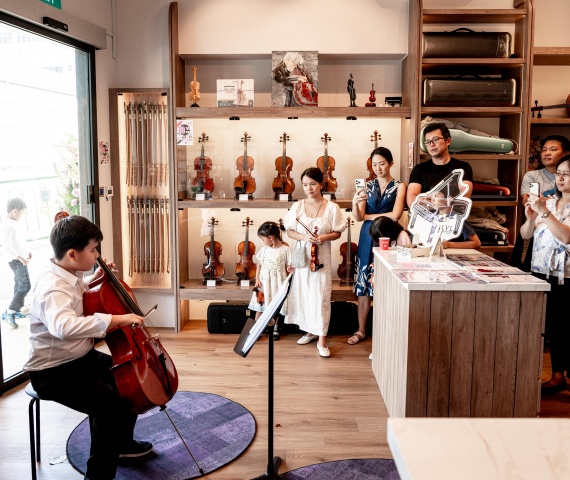
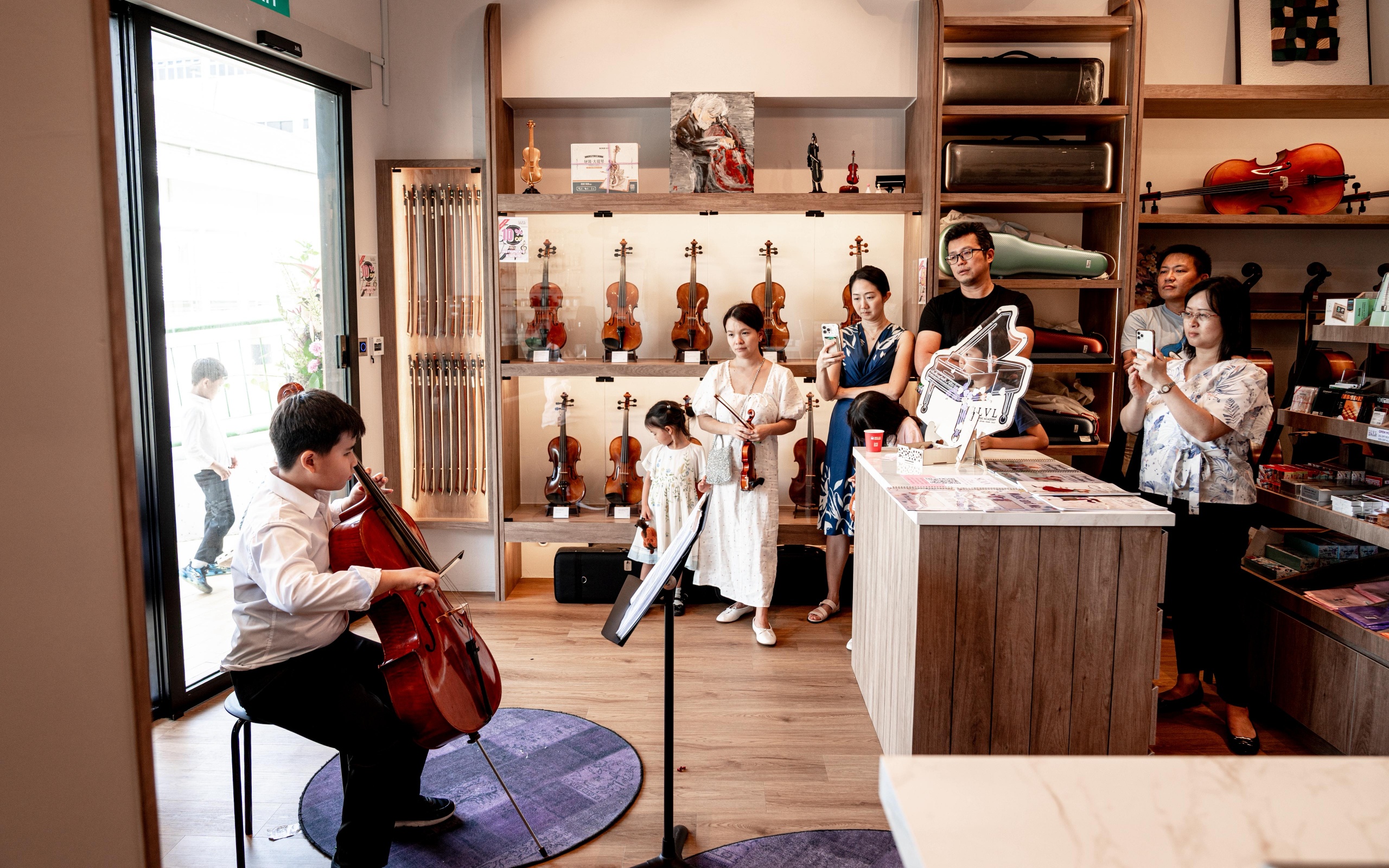
This dedication to craftsmanship now forms a cornerstone of LVL’s unique value proposition. Whilst most music schools focus solely on teaching, Alan brings instrument-making expertise to the academy. “We are one of the very few, or I would say the only one, who have started this concept where everything is under one roof – from school, to shop, to repair, to maintenance.”
Overcoming Early Challenges
The early years tested Alan’s resolve, particularly in an area far removed from his engineering background: marketing. “Apart from just opening a centre, there is a marketing aspect of it, which I would say is the most important one,” he emphasises.
His initial attempts proved frustrating. “I used to rely on different agencies to help us, but most of them were not helpful, so we were not seeing any results.” This setback forced Alan to become a student once again. “I had to spend my own time, about three years, to study about digital marketing, how to market ourselves to the right audience.”
Today, Alan focuses primarily on organic search engine optimisation, believing it’s “the strongest way to connect to someone who’s already looking for a service.” His approach contrasts with social media marketing, which he considers “more like cold marketing.”
Another significant challenge involved sourcing quality instruments. “There are so many different makers, so many different people that would make violins and cellos,” Alan explains. “That was a challenging part as well, to be able to find the right makers that we can bring in their instruments.”
Defining Student Success
For Alan and his team, success extends far beyond technical proficiency or examination grades. Their approach emphasises building confidence and genuine love for music before focusing on academic achievements.
“We do not force that upon students, but we always say when they are ready,” Alan states regarding music examinations. “Some children really are just not ready to do any examination at this point in time. You really have to love music first.”
LVL’s definition of success includes several key components:
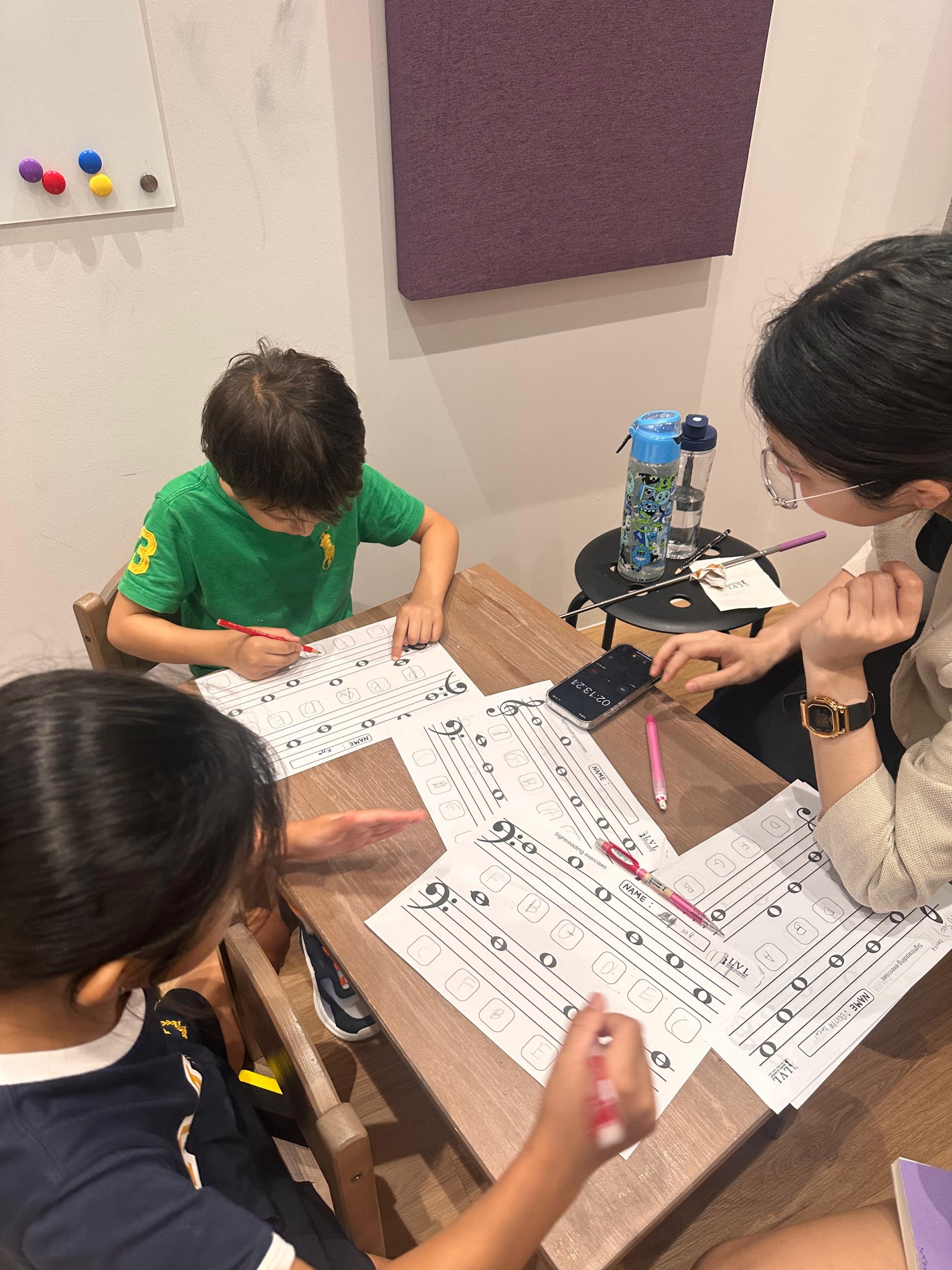
Proper Foundation: “Posture and techniques are very important,” Alan stresses. “We will make sure that your posture and techniques are very good. We do not just let you play five songs, ten songs, but horribly.”
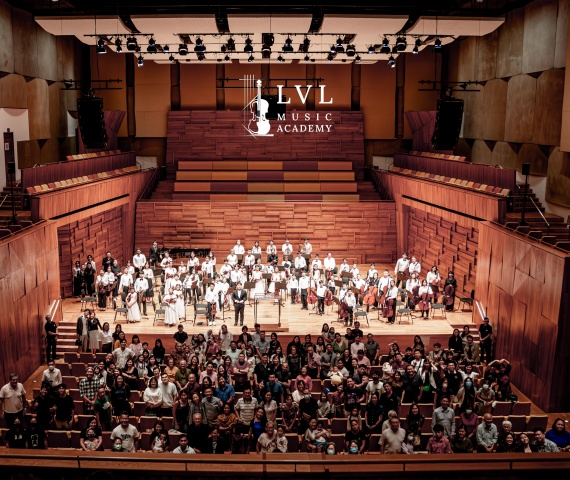
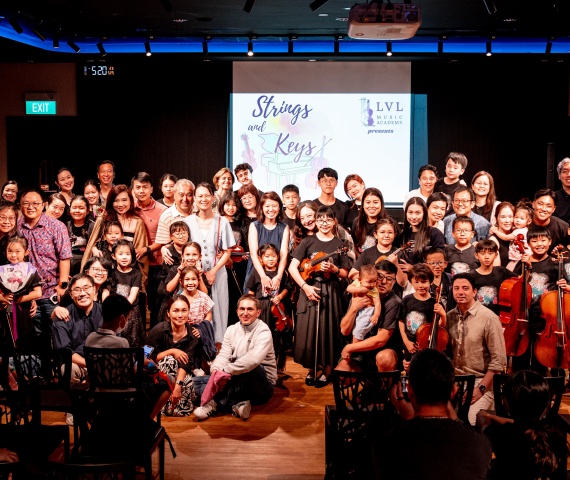
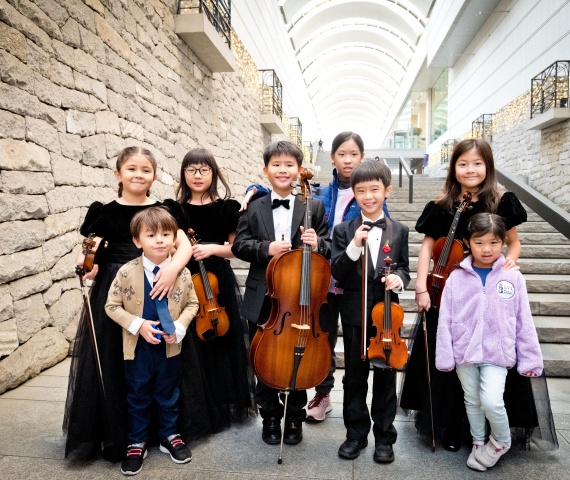
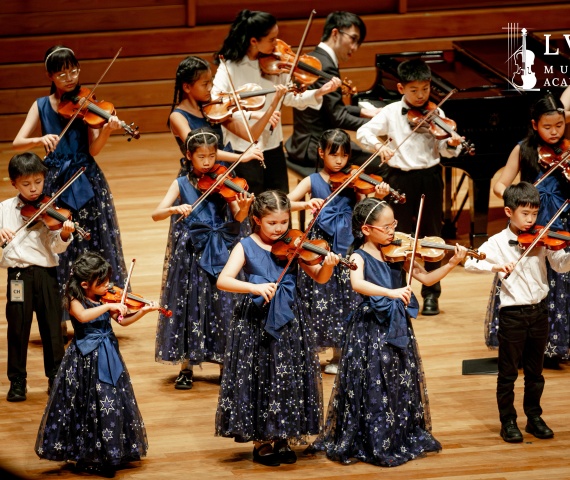
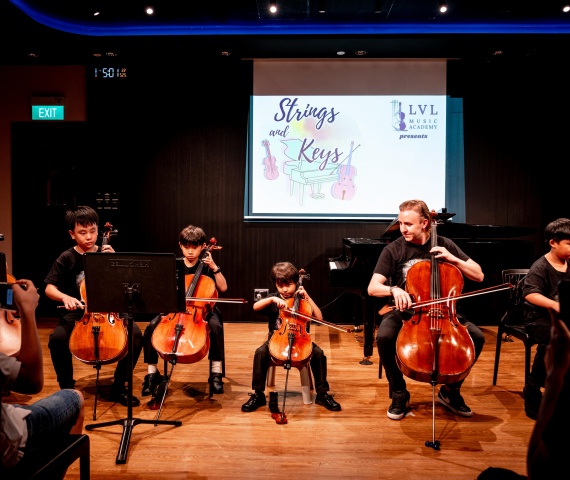
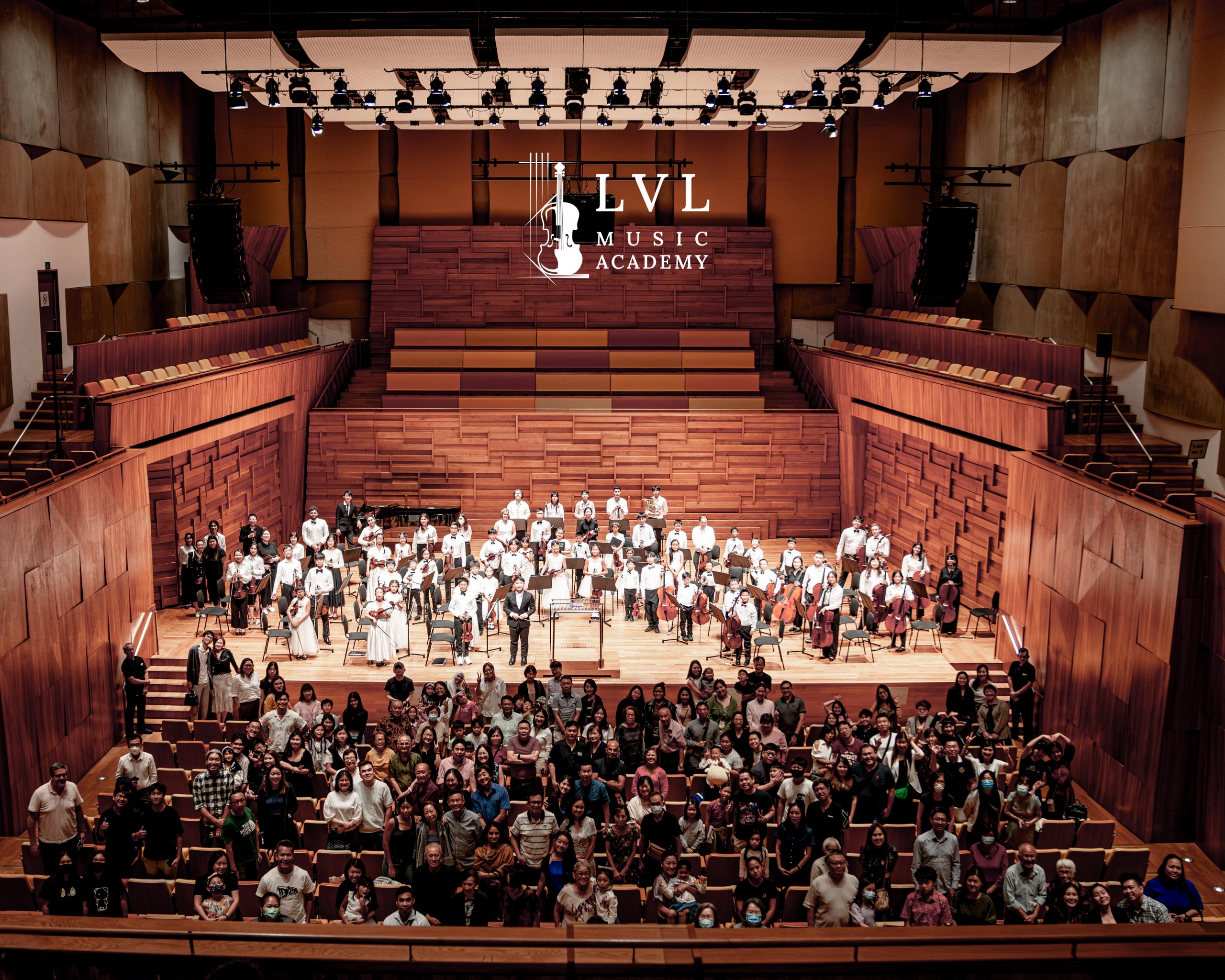
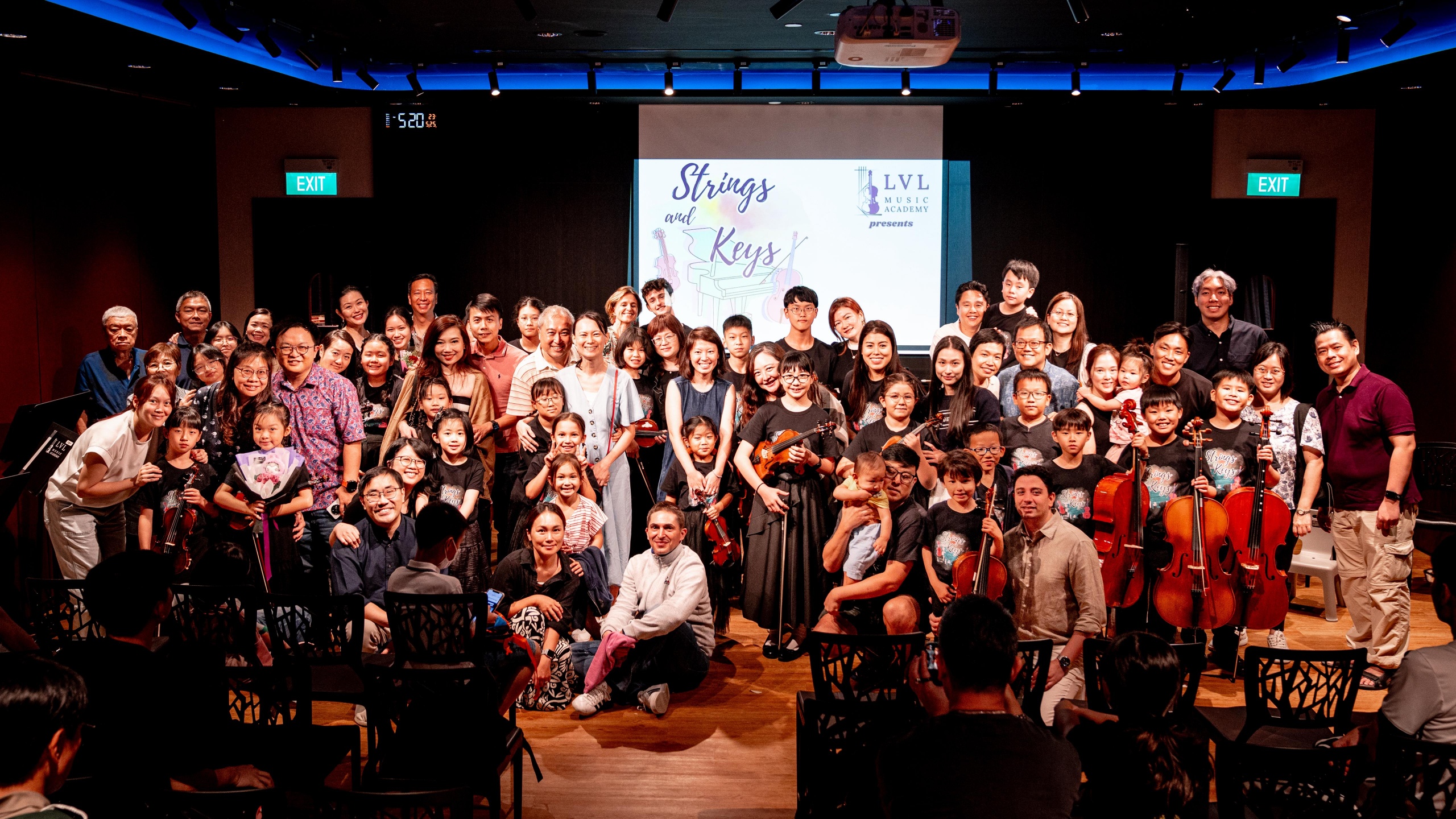
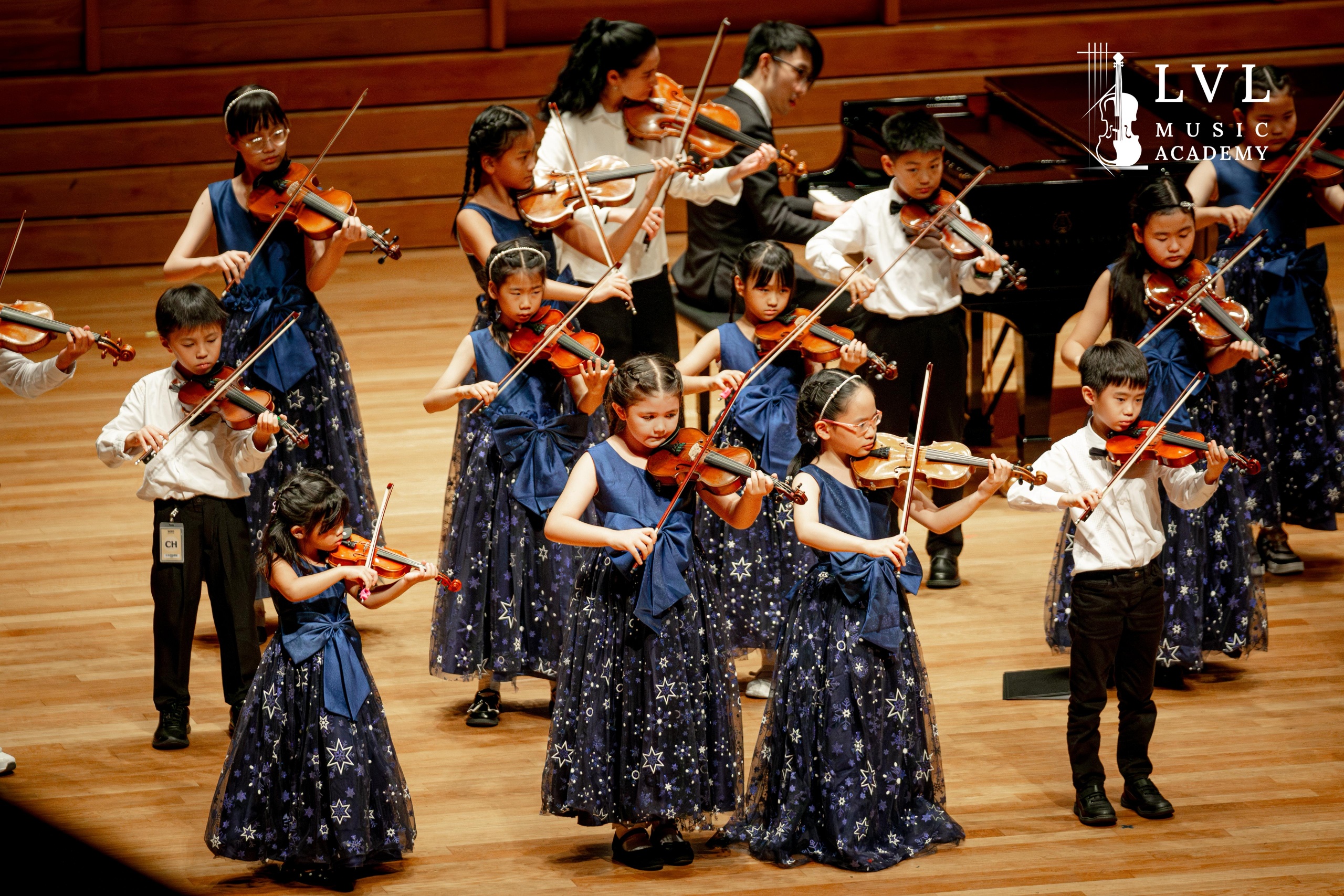
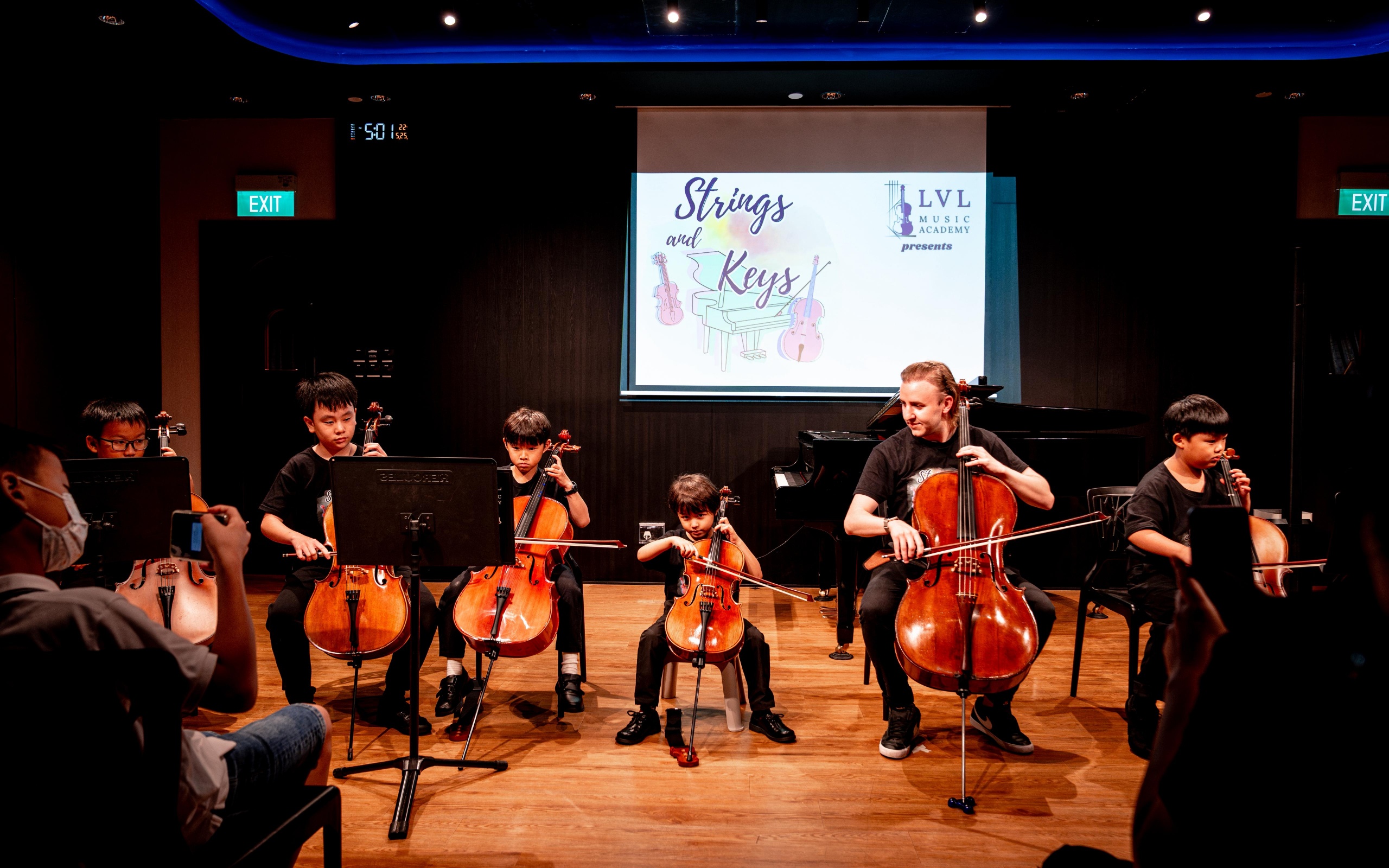
Performance Exposure: The academy organises at least two concerts annually, often in prestigious venues like Victoria Concert Hall and Esplanade. “After every concert, the first thing everybody, the kids will come to me and say, ‘Oh, Miss Janice, can we do it again tomorrow?'” Alan shares.
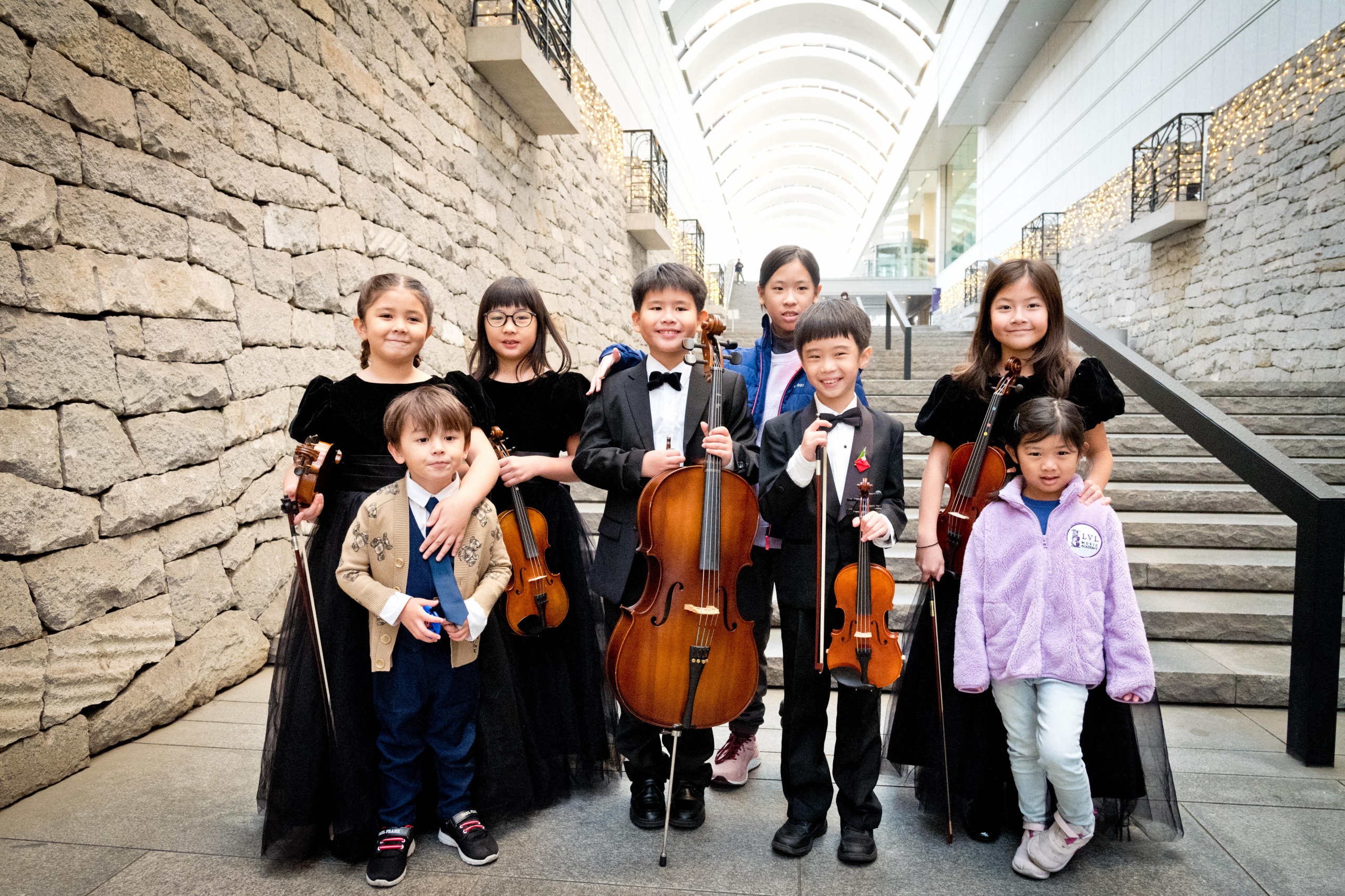
International Perspective: Annual overseas music exchange programmes expose students to different musical cultures. “We always bring our students to different countries – London, Tokyo, Germany, Japan – every year we bring them to a new country.”
Common Parent Misconceptions
Through years of experience, Alan has identified several misconceptions parents often hold about music education:
Grade-Focused Mentality: “We have parents that are quite overachievers, but their child has certain limitations,” he observes. Many parents push for rapid grade progression without considering their child’s developmental readiness.
Minimal Commitment Expectations: “Parents don’t assume that they come once a week for class and suddenly, they can play the instrument. Yes, you can play, but your progress is very, very slow.” Alan emphasises that daily practice and parental involvement are essential.
Academic Subject Comparison: “Music is really not like our Chinese, our English, our maths, our science that is required in MOE syllabus – it’s something additional. Parents must know what they are in for.”
The academy addresses these misconceptions through education and clear communication. “We do spend a lot of time talking to the parents, really, because we always tell them, you want them to be in this journey, you also must be there for them.”
The Future of Music Education
Looking ahead, Alan sees continued growth in Singapore’s classical music scene. “The music industry in Singapore is growing, especially in classical music for violin and cello and piano. The demand would be more for it, and of course the competition would be more as well.”
Rather than viewing competition negatively, Alan embraces it as an opportunity for improvement. “I always look up to other competitors because I try to learn from them. Instead of trying to say this competitor is not good, I always try to learn from them, see what they do best, what they don’t do best.”
Despite growth opportunities, Alan remains cautious about expansion. When asked about franchising or opening additional branches, he expresses concern about maintaining quality. “There’s only one of me and one of Janice, and if we are not there, we are very involved in the entire day-to-day thing. If we have another branch, we worry that the same quality might be compromised.”
Advice for Parents
Alan’s counsel for parents navigating today’s education options reflects his holistic approach to music learning:
“If you want to get your child, or even as an adult, to start learning an instrument, it’s best to go for a trial first. You have a feeling, you get a feeling how is it like.”
Beyond the trial experience, he emphasises several key factors:
- Consistent Curriculum: Look for schools with their own structured curriculum rather than teacher-dependent approaches
- Regular Performance Opportunities: Seek programmes that include concerts and public performance opportunities
- Proper Technical Foundation: Ensure the school prioritises correct posture and technique from the beginning
- Parental Involvement: Be prepared for active participation in your child’s musical journey
The LVL Legacy
Alan’s story represents more than a career change; it embodies the power of passion-driven purpose. From an engineer with no musical background to a master luthier running Singapore’s most comprehensive music academy, his journey demonstrates that expertise combined with genuine care can create something truly unique.
“At LVL Music Academy, every child is carefully guided, genuinely inspired, and fully supported,” Alan states, summarising his vision. “From personalised learning to instrument selection, accessories, and comprehensive after-sales support for repairs, LVL stands out as a unique, one-stop music learning centre.”
As classical music continues to grow in Singapore, Alan’s combination of craftsmanship, education, and genuine care for students positions LVL Music Academy not just as a school, but as a complete ecosystem for musical development. His journey from engineering to luthiery proves that sometimes the most rewarding paths are the ones we never planned to take.
LVL Music Academy, founded in 2013, offers violin and cello lessons alongside instrument sales, repairs, and maintenance services. Located in Bukit Timah, the academy serves students from beginners to advanced levels, with regular concerts and international exchange programmes as integral parts of their curriculum.



Give your Opinions