

Table Of Contents
Choosing a preschool for your child ranks among the most significant decisions you’ll make as a parent in Singapore. With more than 1,900 registered preschool centres offering everything from play-based learning to structured academic programmes, the options can feel overwhelming. Whether you’re drawn to established anchor operators with islandwide presence, boutique centres with specialised pedagogies, or international schools with globally recognised curricula, understanding what makes certain preschools popular can help you navigate this crucial milestone.
Popular preschools in Singapore have earned their reputations through consistent quality, proven teaching methodologies, and strong parental satisfaction. But popularity alone shouldn’t be your only criterion. The best preschool for your family aligns with your educational values, fits your child’s temperament and learning style, and works within your logistical and financial parameters. This guide explores the most sought-after preschool options across Singapore, breaking down their approaches, locations, and what sets them apart, so you can make an informed choice that supports your child’s early learning journey.
Quick Guide: Singapore Preschools
Navigate 1,900+ centres with confidence
Popular Preschool Categories
Anchor Operators
Examples: PCF Sparkletots (350+ centres), My First Skool (140+ centres)
Best For: Affordability, accessibility, government subsidies
💰 Fees: $300-$600/month (after subsidies for citizens)
International Preschools
Examples: EtonHouse, Mulberry Learning, Odyssey
Best For: Global curricula, multicultural environments, IB preparation
💰 Fees: $1,500-$3,500/month
Montessori & Reggio Emilia
Examples: Mosaic Montessori, Julia Gabriel Centre, Casa Dei Bambini
Best For: Child-led learning, specialised pedagogy, creative expression
💰 Fees: $1,200-$2,800/month (premium facilities, lower ratios)
Bilingual Immersion
Examples: MindChamps PreSchool, Pat’s Schoolhouse
Best For: Language development, cultural exposure, natural fluency
💰 Fees: $1,000-$2,500/month
Key Selection Criteria
💡 Expert Tips for Parents
Start Early: Popular centres fill 6-12 months before intake. Register early to secure your spot.
Visit Multiple Centres: Observe teacher-child interactions and classroom atmosphere firsthand.
Check Subsidies: Singapore Citizens receive substantial government support. Verify your eligibility.
Apply to Multiple Centres: Don’t rely on one option. Keep alternatives open while on waitlists.
🇸🇬 Government Subsidies Available
Working mothers of Singapore Citizen children qualify for Basic Subsidy at all licensed preschools. Additional support through Additional Subsidy and KiFAS for eligible families can reduce anchor operator fees to as low as $3/month.
Ready to Find Your Perfect Preschool?
Search 1,900+ centres by location, curriculum, and fees. Read reviews, check availability, and discover open houses.
Understanding Singapore’s Preschool Landscape
Singapore’s preschool sector has evolved significantly over the past decade, driven by government initiatives to improve accessibility, affordability, and quality. The landscape includes anchor operators that run multiple centres islandwide, private operators ranging from boutique centres to established chains, and kindergartens affiliated with primary schools. Since the introduction of the Partner Operator Scheme and expansion of government-supported preschools, parents now have more quality options at various price points.
The Ministry of Education (MOE) and Early Childhood Development Agency (ECDA) regulate the sector, ensuring all licensed centres meet baseline standards for safety, teacher qualifications, and curriculum frameworks. However, individual preschools differentiate themselves through pedagogical approaches, teacher-to-child ratios, facilities, enrichment programmes, and educational philosophies. Understanding these differences helps you evaluate which popular preschools align best with your family’s priorities.
Most preschools in Singapore cater to children from 18 months to six years old, divided into playgroup, nursery, and kindergarten levels. The Kindergarten 1 and 2 years (K1 and K2) prepare children for primary school transition, while earlier years focus on play-based exploration, social-emotional development, and foundational skills. Popular preschools typically demonstrate strong outcomes in school readiness while maintaining age-appropriate, child-centred approaches that nurture curiosity and confidence.
Popular Preschool Brands and What Makes Them Stand Out
Anchor Operator Preschools
PCF Sparkletots operates Singapore’s largest preschool network with over 350 centres islandwide, making it one of the most accessible options for families across all neighbourhoods. As a government-supported anchor operator, PCF emphasises affordability while delivering quality early childhood education grounded in the NEL (Nurturing Early Learners) framework. Their centres feature bilingual curricula that develop English and Mother Tongue proficiency alongside character development and active learning. Parents appreciate PCF’s widespread availability, subsidised fee structures, and consistent standards across centres.
My First Skool, operated by NTUC First Campus, runs over 140 centres and serves more than 30,000 children annually. Their research-based curriculum focuses on holistic development through inquiry-based learning, where children explore topics through hands-on investigation. My First Skool centres incorporate technology-enabled learning, outdoor education, and community engagement projects. The organisation’s robust professional development ensures teachers stay current with early childhood best practices, contributing to its reputation for quality and innovation.
Kampung Admiralty Childcare and other centres under the ECDA-supported operators demonstrate the government’s commitment to creating quality, affordable preschool places. These anchor operators typically offer fees ranging from $300 to $600 monthly after subsidies for Singapore Citizens, making quality early education accessible to more families. Their popularity stems from this combination of affordability, accessibility, and government-backed quality assurance.
International Preschools
International preschools attract families seeking globally recognised curricula and multicultural environments. EtonHouse International operates multiple preschools across Singapore, each offering inquiry-based programmes inspired by the Reggio Emilia approach combined with the International Baccalaureate Primary Years Programme framework. Their centres feature impressive facilities including dedicated art studios, libraries, and outdoor learning spaces. Parents value EtonHouse for its international outlook, experienced teachers, and strong preparation for international school pathways.
Mulberry Learning has gained popularity for its proprietary Research-based Learning approach that develops critical thinking and problem-solving skills. With centres in both heartland and central locations, Mulberry balances academic readiness with creative expression and social-emotional learning. Their thematic curriculum rotates through science, culture, and arts topics, keeping children engaged through varied, hands-on exploration. Parents often praise Mulberry’s warm, nurturing environment and visible learning outcomes.
Odyssey The Global Preschool offers bilingual immersion programmes combining British curriculum elements with character development. Their centres feature extensive enrichment programmes including music, drama, and physical education taught by specialists. Odyssey’s popularity reflects growing parent interest in well-rounded programmes that prepare children academically while nurturing creativity and confidence.
Montessori and Reggio Emilia Centres
Specialised pedagogical approaches attract families seeking alternatives to conventional preschool models. Montessori centres like Mosaic Montessori, Julia Gabriel Centre, and Casa Dei Bambini follow Dr. Maria Montessori’s child-led learning philosophy, where children choose activities from carefully prepared environments. Montessori classrooms feature mixed-age groupings, hands-on learning materials, and uninterrupted work periods that develop independence, concentration, and intrinsic motivation. These centres appeal to parents who value self-directed learning and individualised pacing.
Reggio-inspired centres emphasise children as competent researchers who construct knowledge through long-term projects and creative expression. Centres like Little Hands Montessori & Childcare and select EtonHouse campuses feature ateliers (art studios), documentation displays tracking learning journeys, and close parent partnerships. The Reggio approach’s focus on the hundred languages of children (diverse modes of expression) resonates with families seeking creative, inquiry-rich environments.
These pedagogically-focused preschools typically feature lower teacher-to-child ratios, extensive teacher training in their specific methodology, and premium facilities. While fees generally run higher than anchor operators, families committed to these educational philosophies find the investment worthwhile for the distinct learning experiences and outcomes these approaches provide.
Bilingual and Language Immersion Programmes
Singapore’s multicultural context makes bilingual education particularly relevant. MindChamps PreSchool has built a strong following through its proprietary 3-Mind curriculum (Champion, Learning, Creative minds) delivered in bilingual formats. With over 40 centres across Singapore and the region, MindChamps combines neuroscience research with engaging teaching methods, theatre-based learning, and literacy development. Parents appreciate their structured yet creative approach and visible language development outcomes.
Pat’s Schoolhouse offers immersive bilingual programmes where children learn in English and Mandarin throughout the day rather than in segregated language lessons. Their centres feature thematic, inquiry-based curricula and strong arts integration. The immersion approach helps children develop natural fluency in both languages while exploring academic content. Pat’s reputation for nurturing bilingual capabilities makes it popular among families prioritising language development.
Specialised language immersion centres offering Japanese, Korean, or French programmes also attract families from those communities or parents seeking specific linguistic advantages. These centres combine language development with cultural exposure and age-appropriate academic content, creating distinctive educational environments.
Key Factors to Consider When Choosing a Preschool
While popularity indicates quality, the right preschool for your family depends on multiple factors working in harmony. Pedagogical alignment matters significantly. Reflect on whether you prefer structured academic preparation, play-based exploration, child-led discovery, or thematic inquiry approaches. Visit centres to observe teaching styles, classroom atmospheres, and how teachers interact with children. The methodology should match your educational values and your child’s learning disposition.
Practical considerations inevitably shape your decision. Location and operating hours must fit your family’s daily logistics. Preschools near your home, workplace, or along your commute route reduce stress and allow easier participation in school events. Extended operating hours, holiday programmes, and flexible enrolment options accommodate different work schedules. The Skoolopedia directory lets you filter preschools by MRT station, helping you identify convenient options within your regular travel routes.
Teacher quality and stability profoundly impact your child’s experience. During centre visits, observe teacher-child interactions for warmth, respect, and engagement. Ask about teacher qualifications, professional development opportunities, and staff turnover rates. Experienced, well-supported teachers create nurturing environments where children thrive. Popular preschools typically invest heavily in teacher training and retention, understanding that consistent, quality educators are their greatest asset.
Facilities and resources vary considerably across preschools. Consider whether outdoor play spaces, specialised rooms for music or art, library access, and age-appropriate learning materials matter to your family. While impressive facilities enhance learning opportunities, remember that warm, responsive teachers and thoughtful curricula matter more than elaborate infrastructure. Balance facility quality with other priorities rather than choosing on amenities alone.
Finding Preschools Near You
Singapore’s compact geography means most families have multiple preschool options within reasonable distance. However, popular centres in central locations or specific neighbourhoods often maintain waitlists due to high demand. Starting your search early gives you more choices and reduces pressure. Most preschools accept enrolment enquiries six to twelve months before your desired start date, with some popular centres filling spots even earlier for Nursery 1 intake.
The Skoolopedia platform streamlines location-based searches, allowing you to identify preschools near your home or workplace and compare their curricula, fees, and available slots. Their searchable directory organised by neighbourhood and MRT station helps you discover centres you might otherwise overlook. For families relying on public transport, finding preschools near MRT stations significantly eases daily drop-off and pickup logistics.
Consider exploring preschools in adjacent neighbourhoods if your first choices have long waitlists. Lesser-known centres sometimes offer comparable quality with shorter waitlists and more availability. Reading crowdsourced reviews and attending open houses helps you evaluate centres beyond just their popularity rankings. Sometimes hidden gems operate in your area with excellent programmes but less widespread name recognition than major brands.
Understanding Fees and Subsidies
Preschool fees in Singapore span a wide range depending on operator type, curriculum, facilities, and location. Anchor operator preschools charge approximately $300 to $600 monthly for Singapore Citizens after government subsidies, with additional subsidies available for lower-income families through the Additional Subsidy and Kindergarten Fee Assistance Scheme (KiFAS). These government-supported options make quality early childhood education accessible across income levels.
Private operator preschools typically range from $800 to $2,500 monthly, with international preschools and specialised pedagogical centres often commanding premium fees between $1,500 and $3,500 monthly. These centres receive less government subsidy, though working mothers may claim some support through the Basic Subsidy scheme. When comparing fees, factor in what’s included: some centres bundle meals, enrichment programmes, and materials into monthly fees, while others charge separately for these items.
Government subsidies significantly reduce costs for eligible families. Singapore Citizen children receive substantial subsidies at all licensed preschools, with increased support for working mothers and lower-income households. Understanding your subsidy eligibility and how it applies to different preschool types helps you assess true out-of-pocket costs. The Skoolopedia directory displays updated fee information and subsidy details, helping you evaluate affordability across centres in your consideration set.
Beyond monthly fees, budget for registration fees, deposits, uniforms, and materials. Some preschools also charge for enrichment programmes, field trips, or holiday camps. Request complete fee schedules during centre visits to understand total annual costs and avoid surprises. Remember that most expensive doesn’t always mean best. Many excellent preschools operate at mid-range price points, delivering quality education without premium pricing.
The Application Process and Waitlists
Popular preschools often maintain waitlists, particularly for Nursery 1 (18 months to 2 years) intake when many children begin their preschool journey. Registration timelines vary by centre, but most accept applications approximately one year before your desired start date. Some highly sought-after centres fill spots even earlier, so contact your preferred preschools as soon as you begin considering options.
The application process typically involves submitting registration forms with required documents (birth certificate, immunisation records, parental identification), paying a registration fee, and attending a centre tour or parent interview. Some preschools admit on a first-come, first-served basis, while others consider factors like sibling enrolment, proximity to the centre, or alignment with the school’s philosophy. Understanding each centre’s admission priorities helps you strategise your applications.
Don’t limit yourself to a single option. Apply to several preschools that meet your criteria, ensuring you have alternatives if your first choice has no immediate availability. Waitlist positions can move quickly as families’ circumstances change, so maintaining your spot on multiple waitlists keeps options open. Some centres charge small waitlist fees or require deposits to hold your place, while others maintain non-fee waitlists.
If your preferred centres have no immediate openings, ask about their trial programmes or occasional care options. Some families enrol children in temporary programmes at one centre while waiting for their first-choice centre to have availability. Others discover that their backup option exceeds expectations, making the switch unnecessary. Remain flexible and open-minded throughout the process.
Making Your Final Decision
After researching options, visiting centres, and receiving offers, you’ll face the final decision. Trust your instincts alongside your practical assessment. How did you feel walking into each centre? Where did your child seem most comfortable and engaged? Which teachers and environments resonated with your family’s values? Sometimes the right choice becomes clear through intuition informed by thorough research.
Create a decision matrix comparing your top choices across key criteria: pedagogy, location, fees, facilities, teacher quality, class size, operating hours, and overall feel. Rank each factor’s importance to your family and score each preschool accordingly. This structured approach helps when options seem equally appealing or when family members disagree about priorities. Discussing the matrix together often clarifies what truly matters most.
Remember that preschool is not forever. While choosing carefully matters, most children adapt remarkably well to different educational environments. If your first choice doesn’t work out or circumstances change, switching preschools remains possible. Focus on finding a good fit rather than pursuing perfection. A nurturing, stimulating environment with caring teachers provides an excellent foundation regardless of the specific brand or methodology.
Leverage resources like Skoolopedia’s comprehensive directory to access up-to-date information on programmes, fees, and availability across Singapore’s preschool landscape. Their platform consolidates details that would otherwise require contacting dozens of centres individually, streamlining your research and comparison process. Reading reviews from other parents through their crowdsourced feedback system provides real-world insights beyond promotional materials.
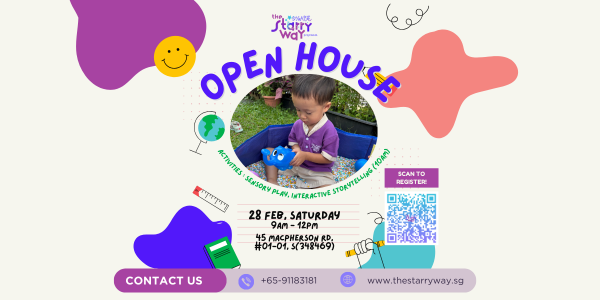
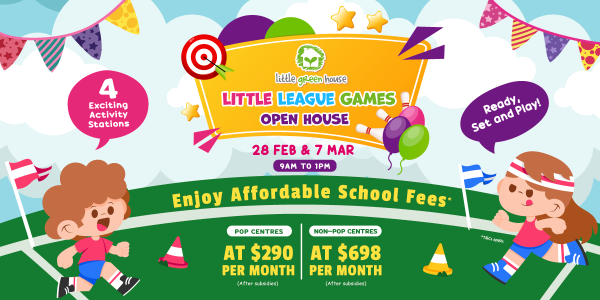
Consider attending preschool open houses and education fairs to meet educators, observe programmes, and ask questions in relaxed settings. Many centres host these events specifically to help families make informed decisions. The Skoolopedia platform maintains current open house listings, ensuring you don’t miss opportunities to visit centres on your shortlist.
Selecting from Singapore’s popular preschools represents the beginning of your child’s formal education journey, a decision deserving thoughtful consideration but not undue anxiety. The richness of options across pedagogical approaches, locations, and price points means quality early childhood education is achievable for families throughout Singapore. Whether you choose an established anchor operator offering accessibility and affordability, an international preschool with global curricula, a specialised Montessori or Reggio environment, or a bilingual immersion programme, what matters most is finding the alignment between your family’s values, your child’s needs, and the preschool’s approach.
Popular preschools have earned their reputations through consistent quality, but the best choice for your family goes beyond rankings or waiting lists. Visit centres, observe teachers in action, talk with current parents, and imagine your child in each environment. Trust that when you combine thorough research with intuition and flexibility, you’ll find a preschool where your child can flourish during these foundational years. The early childhood education landscape continues evolving to serve Singapore’s diverse families better, and with the right tools and information, you can navigate it successfully and confidently.
Find Your Perfect Preschool Match
Explore Singapore’s most comprehensive directory of preschools, filter by location and curriculum, read parent reviews, and discover upcoming open houses—all in one place.
Give your Opinions