

When Singapore schools shuttered their physical doors in April 2020, few imagined that the eight weeks of full Home-Based Learning that followed would leave an imprint lasting well beyond the pandemic. At the time, parents scrambled to set up makeshift study corners, teachers rebuilt entire lessons for screens, and students adjusted to a world where the classroom had shrunk to a laptop. What felt like a temporary emergency measure turned out to be an accelerant, pushing long-planned reforms years ahead of schedule and forcing the entire education ecosystem to confront some hard questions about how children actually learn best.
Today, Singapore’s school system looks meaningfully different from what it was in 2019. The changes are not cosmetic. From how primary school children are assessed, to how teachers design lessons, to how parents engage with their children’s schools, COVID-19 has permanently redrawn the map. For families planning their children’s education journey right now, understanding these shifts is not just interesting background knowledge; it is essential context. This article unpacks the most significant, lasting changes to Singapore’s school system since the pandemic and explains what each one means for your child.
The Digital Leap That Stuck: Home-Based Learning Becomes the New Normal
Before COVID-19, Singapore’s Student Learning Space (SLS) platform existed but was used inconsistently across schools. The pandemic changed that overnight. With every student suddenly learning from home, SLS became the backbone of daily education, and both teachers and students were forced into a steep but productive learning curve. The platform was rapidly expanded, improved, and populated with content, and by the time children returned to classrooms, the habit of digital learning had been firmly established on both sides of the teacher’s desk.
Today, blended learning, the combination of in-person instruction with structured digital assignments, is an official part of Singapore’s curriculum design rather than an occasional supplement. MOE has formalised the approach, with schools regularly scheduling Home-Based Learning days even during non-emergency periods. This means children are expected to be digitally self-directed learners from a young age, and parents should anticipate that supporting online learning at home is now a permanent part of school life rather than a crisis-era anomaly.
The practical implications for families are significant. Reliable home internet, a suitable device, and a structured study environment are no longer optional extras; they are prerequisites for keeping pace with school. At the same time, the upside is real: students who have developed strong digital literacy and self-management habits through this shift are better prepared for the increasingly technology-driven world beyond the classroom.
Rethinking Grades: How Assessment Has Shifted Post-COVID
Perhaps no change has drawn more attention from Singapore parents than the ongoing reform of how students are assessed. While the move away from high-stakes examinations for younger children actually began before COVID with the removal of Primary 1 and 2 exams in 2019, the pandemic gave these reforms a powerful boost in public acceptance. When national examinations were modifed mid-pandemic and schools demonstrated that learning could be measured in ways beyond a single high-pressure test, attitudes toward assessment began to shift more broadly.
The PSLE scoring system itself was overhauled in 2021, moving from an aggregate score to Achievement Levels (AL) that reduce the fine-grained differentiation between students and correspondingly reduce the pressure on children to chase every single mark. The intent is to broaden the definition of student success, placing more emphasis on learning progress and less on rank-ordered performance. Secondary school cut-off points are now expressed in AL score bands, and while competition for popular schools remains a reality, the system is designed to recognise a wider range of student strengths.
Post-COVID, there is also a greater openness to school-based assessment, including project work, oral presentations, and portfolio-style evaluation, particularly at the lower primary levels. For parents, this means nurturing a child’s curiosity, communication skills, and resilience can be just as strategically valuable as drilling ten-year series papers. The definition of academic preparation is genuinely broader than it was a decade ago.
Student Wellbeing Moves to the Forefront
The mental health toll of the pandemic on young people is well-documented globally, and Singapore’s education leaders took note. In the years since 2020, MOE has significantly expanded the wellbeing infrastructure within schools. Counsellors have been added, Form Teachers given structured training in social-emotional learning, and Character and Citizenship Education has been strengthened as a formal curriculum component rather than an afterthought slotted between academic periods.
Schools now explicitly monitor student wellbeing as an institutional priority in a way that was more aspirational than operational before COVID. Programs addressing anxiety management, peer relationships, and digital wellness have been integrated into school-day routines. For parents, this represents a meaningful cultural shift: schools are increasingly seen as co-responsible for the emotional development of children, not just their academic attainment. Conversations with teachers are as likely to touch on a child’s sense of belonging and stress levels as on their test results.
This shift also has implications for how parents choose schools and enrichment activities for their children. A school’s approach to pastoral care and its culture around student stress are now legitimate and important selection criteria, not just secondary considerations after proximity and ranking.
How Teachers Teach Has Changed Permanently
Singapore’s teachers entered the pandemic as generally competent classroom professionals and emerged from it as significantly more versatile educators. The necessity of designing engaging lessons for asynchronous digital delivery pushed many teachers to develop skills in instructional design, video production, and differentiated digital content that they would otherwise have acquired slowly or not at all. The National Institute of Education accelerated corresponding professional development programmes, and many of these capabilities are now standard expectations for new teachers entering the profession.
The result is a teaching workforce that approaches lesson design with a more deliberate, layered mindset. Good teachers are now thinking explicitly about how a concept can be explored both in the physical classroom and through digital activities, how to check for understanding without a physical presence in the room, and how to keep disengaged or anxious students connected across different learning environments. For children, this translates into lessons that are often more varied in format and more conscious of different learning styles than the chalk-and-talk classes of previous generations.
The Impact on Early Childhood and Preschool Education
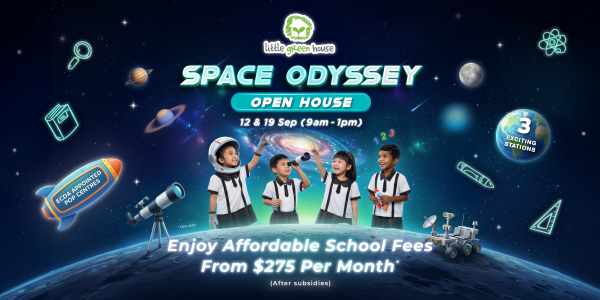
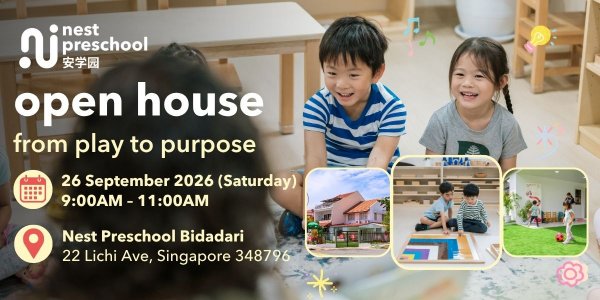
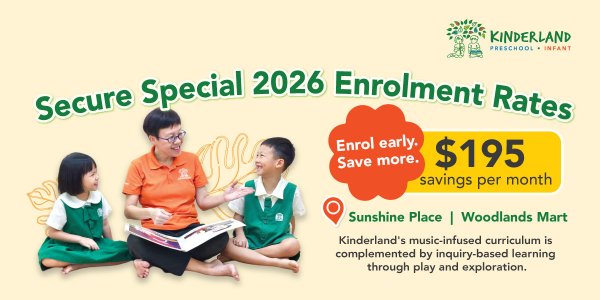
The preschool sector faced some of the most acute disruptions during COVID, with full closures, staggered attendance arrangements, and strict safe-management measures reshaping how childcare centres and kindergartens operated. For many families, the pandemic brought into sharp relief just how essential quality early childhood education is, both for children’s development and for parents’ ability to work. This recognition has reinforced government commitment to expanding and improving the sector.
Initiatives under the Early Childhood Development Agency (ECDA) have continued to gather pace since the pandemic, including efforts to raise teacher qualifications, improve centre subsidies, and ensure more equitable access to quality preschool education across different income groups. The long-term goal of making quality preschool accessible regardless of a family’s background has received renewed policy urgency in the post-COVID period. For parents currently navigating preschool choices, there are now more quality assurance benchmarks and publicly available information than ever before to help them make informed decisions.
If you are searching for the right preschool for your child, Skoolopedia’s searchable directory of preschools organised by MRT station makes it straightforward to find quality options close to home or your daily commute route, complete with reviews and programme details to help you compare.
Enrichment and After-School Learning in the Post-COVID Era
The enrichment industry in Singapore was hit hard during the pandemic, with many centres forced to pivot rapidly to online delivery. What emerged from that period was a more flexible, hybrid sector that now routinely offers both in-person and online class formats. For parents, this has been a genuine gain in convenience: a child who misses a class due to illness can often join a virtual make-up session, and families living farther from popular enrichment centres can access programmes that previously required significant travel.
There has also been a noticeable shift in what parents are looking for from enrichment post-COVID. Alongside the traditional emphasis on academic subjects and examination preparation, there is growing demand for programmes that build resilience, creativity, communication skills, and digital competency. Enrichment centres that have adapted their curriculum to reflect these evolving parent priorities have found themselves well-positioned in the post-pandemic landscape.
Parents looking to explore enrichment options that match their child’s interests and their family’s location can browse Skoolopedia’s enrichment directory organised by MRT station, which covers a wide range of subjects and age groups across the island. For after-school care needs, the student care directory is equally useful for finding quality options near your home or workplace.
The Rise of the Informed, Involved Parent
One of the least-discussed but most profound changes of the COVID education period is the shift in the parent-school relationship. When Home-Based Learning moved classrooms into living rooms, parents gained an unprecedented window into their children’s daily learning experience. Many were surprised by what they saw, both positively and negatively, and that firsthand exposure created a generation of parents who are more engaged, more informed, and more willing to ask questions of schools than perhaps any previous cohort.
Schools have, to their credit, responded by improving communication channels and creating more structured opportunities for parent involvement. Regular digital updates, parent-teacher engagement sessions, and more transparent sharing of curriculum goals have all become more standard practice. The expectation that parents are active partners in their child’s education rather than passive recipients of school reports is now more firmly embedded in the culture on both sides.
For families who want to stay informed and engaged, platforms like Skoolopedia provide exactly the kind of consolidated, parent-friendly information that supports smart decision-making across every stage of the education journey, from preschool selection to secondary school planning. Becoming a Skoolopedia member gives families access to curated resources, expert Q&As, and a community of parents navigating the same decisions.
Looking Forward: What Singapore’s Education Future Holds
Singapore’s education system has always been characterised by a willingness to reform, and the pandemic compressed what might have been a decade of gradual change into just a few turbulent years. The changes now in place, from blended learning to broader assessment frameworks to stronger wellbeing support, reflect a system that is genuinely trying to prepare children for a world that is more uncertain, more digital, and more demanding of adaptability than the one previous generations grew up in.
For parents, the message is encouraging even if it requires some adjustment. The education landscape your child is navigating today is designed with a broader conception of success than the one you may have experienced. Academic rigour remains important, but it sits alongside digital fluency, emotional intelligence, and the capacity to keep learning throughout life. Supporting your child means nurturing all of these dimensions, not just examination results.
The schools, preschools, enrichment programmes, and student care centres that will serve your child best are those that genuinely embody this more holistic approach. Taking the time to research options, read reviews, and ask the right questions during open houses and consultations has never been more worthwhile. Resources like Skoolopedia’s Parents’ Choices Awards offer a helpful shortcut by highlighting providers that have earned strong trust from the parent community.
A System Reshaped, A Generation Better Prepared
COVID-19 did not create Singapore’s ambition for a more holistic, future-ready education system; it accelerated it. The blended learning structures, reformed assessment approaches, strengthened wellbeing support, and more engaged parent-school partnerships that characterise Singapore schools today are not temporary measures waiting to be rolled back. They are the new baseline, and they represent a genuine step forward in how the system thinks about what children need to thrive.
For parents, staying informed about these changes is the first step to making the most of them. Whether you are choosing your child’s first preschool, evaluating enrichment options, or thinking about secondary school pathways, understanding the post-COVID education landscape helps you ask sharper questions and make better decisions. Singapore’s education system is evolving; the best thing any parent can do is evolve alongside it.
Ready to Navigate Singapore’s Education Landscape?
Skoolopedia makes it easy to find the right preschool, enrichment centre, or student care facility for your child, all searchable by location, MRT station, and programme type. Join thousands of Singapore parents who trust Skoolopedia to support their family’s education journey.

Give your Opinions