

Table Of Contents
- Introduction
- Understanding Childcare Options in Singapore
- Top Childcare Centers in Singapore
- Different Curriculum Approaches in Singapore Childcare
- Location Matters: Choosing Childcare by Area
- Cost Considerations and Subsidies
- How to Choose the Right Childcare for Your Child
- The Enrollment Process
- Conclusion
The Ultimate Guide to Finding the Best Childcare in Singapore
Choosing the right childcare center for your little one is one of the most significant decisions you’ll make as a parent in Singapore. With numerous options available across the island, from government-subsidized centers to premium international preschools, the selection process can quickly become overwhelming.
As Singapore’s childcare landscape continues to evolve, parents are faced with considering multiple factors: location convenience, educational approach, teacher qualifications, facilities, and of course, cost. Whether you’re returning to work after maternity leave or looking for an enriching environment for your child’s early development, finding the perfect fit requires careful consideration.
In this comprehensive guide, we’ll walk you through everything you need to know about selecting the best childcare in Singapore. We’ll explore the different types of childcare options available, highlight some of the most highly-rated centers, break down curriculum differences, and provide practical advice on making this important decision. By the end, you’ll be equipped with the knowledge to find a childcare solution that meets your family’s unique needs.
Understanding Childcare Options in Singapore
Before diving into specific recommendations, it’s important to understand the variety of childcare options available in Singapore. Each type offers different advantages in terms of educational approach, operating hours, and cost structures.
Full-Day Childcare Centers
Full-day childcare centers typically operate from 7am to 7pm on weekdays, with some offering half-day Saturday sessions. These centers cater primarily to working parents, providing a structured environment with educational activities, meals, and nap times. Many centers accept children from as young as 2 months up to 7 years old.
Half-Day Childcare Programs
Half-day programs usually run for 3-4 hours in either morning or afternoon sessions. These programs focus more intensively on educational activities and are popular among families with a stay-at-home parent who desires educational stimulation for their child without full-day care.
Anchor Operators and Partner Operators
The Early Childhood Development Agency (ECDA) designates certain providers as Anchor Operators (AOPs) or Partner Operators (POPs). These providers receive government funding to keep fees affordable while maintaining quality standards. Examples include PCF Sparkletots, My First Skool, and Skool4Kidz.
Premium Childcare Providers
Premium childcare centers often feature enhanced facilities, specialized curriculum approaches (like Montessori or Reggio Emilia), lower teacher-to-child ratios, and sometimes bilingual or full immersion language programs. These typically come at a higher price point.
Top Childcare Centers in Singapore
While the “best” childcare center varies based on individual family needs, several providers consistently receive positive reviews from parents and education experts alike. Here are some notable options across different categories:
Government-Subsidized Centers with Strong Reputations
PCF Sparkletots operates the largest number of preschool centers in Singapore with over 360 locations island-wide. Their affordability combined with consistent educational standards makes them a popular choice for many families.
My First Skool, run by NTUC First Campus, offers more than 140 centers across Singapore. They implement a holistic curriculum that balances academic learning with character development and receive consistently positive parent feedback.
Skool4Kidz has gained recognition for their purpose-built campuses with thoughtfully designed learning environments and nature-integrated curriculum. Their Yishun Large Childcare Centre at Yishun Park is Singapore’s first large childcare center in a public park.
Premium Childcare Options
EtonHouse International provides premium early childhood education with an inquiry-based approach inspired by the Reggio Emilia philosophy. Their bilingual immersion programs are particularly popular among expatriate and local families alike.
MindChamps PreSchool has developed a unique curriculum that incorporates what they call the ‘3-Mind’ educational model: the Champion Mind, the Learning Mind, and the Creative Mind. Their approach focuses on nurturing confidence and creativity alongside academic foundations.
Busy Bees Singapore (formerly Pat’s Schoolhouse) is known for their bilingual immersion program where children learn from two teachers – one speaking English and one speaking Mandarin – throughout the day.
Different Curriculum Approaches in Singapore Childcare
Singapore’s childcare centers employ various educational philosophies. Understanding these approaches can help you select a center that aligns with your parenting values and your child’s learning style.
Play-Based Learning
Play-based approaches emphasize learning through exploration, games, and child-directed activities. While play is central, teachers facilitate and guide children toward educational outcomes. Many Singaporean childcare centers incorporate elements of play-based learning, though few are exclusively play-based.
Montessori Method
Montessori education emphasizes independence, freedom within limits, and respect for children’s natural development. Centers following this approach typically feature multi-age classrooms, specialized learning materials, and extended work periods where children choose activities. Notable Montessori preschools include House on the Hill Montessori and Brighton Montessori.
Reggio Emilia Approach
The Reggio Emilia approach views children as capable, resilient individuals with rights rather than just needs. It emphasizes documentation of children’s thoughts and progression, project-based learning, and the environment as the “third teacher.” EtonHouse and Blue House Nursery are known practitioners of this philosophy.
STEM/STEAM Focus
Some centers place particular emphasis on Science, Technology, Engineering, Arts, and Mathematics (STEAM). These programs introduce young children to scientific concepts, coding basics, and logical thinking through age-appropriate activities and explorations.
Bilingual Immersion
Reflecting Singapore’s bilingual education policy, many childcare centers offer Chinese-English bilingual programs. Some employ a dual-teacher model where each teacher speaks exclusively in one language, while others allocate specific time blocks to each language.
Location Matters: Choosing Childcare by Area
Location is a crucial factor for most parents, with proximity to home or workplace often being a deciding factor. Singapore’s different regions offer varying densities of childcare options.
Central Singapore
Central regions like Orchard, Newton, and Novena host many premium international preschools and childcare centers. While these areas have fewer centers overall compared to heartland neighborhoods, they feature many high-end options that cater to expatriate families and those working in the central business district.
Finding childcare near MRT stations in central areas can significantly ease commuting stress. You can explore preschools near MRT stations through Skoolopedia’s comprehensive directory.
Eastern Singapore
Areas like Tampines, Bedok, and Marine Parade offer a good mix of government-subsidized centers and private operators. The East Coast area has become particularly popular for families seeking a balance of affordability and quality.
Northern Singapore
Woodlands, Yishun, and Sembawang feature numerous large-scale childcare facilities, including some of the newest purpose-built centers. The north also hosts several significant childcare hubs, including the Skool4Kidz large childcare center at Yishun Park.
Western Singapore
Jurong, Clementi, and Bukit Batok have seen significant growth in childcare options in recent years, with numerous new centers opening to support the growing residential populations in these areas.
For families in Jurong, student care centers near MRT stations can provide valuable after-school supervision for school-aged children while younger siblings attend childcare.
Cost Considerations and Subsidies
Childcare costs in Singapore vary widely depending on the type of center, location, and whether government subsidies apply.
Fee Ranges
Government-subsidized childcare centers (AOPs and POPs) typically charge between $700-$1,400 per month for full-day childcare before subsidies. Premium centers can range from $1,800 to over $4,000 monthly, with international preschool programs often at the higher end of this spectrum.
Available Subsidies
The Singapore government provides substantial childcare subsidies to help make quality early childhood education affordable. All Singaporean children receive a Basic Subsidy of up to $600 for full-day childcare. Additional means-tested subsidies are available based on household income, potentially reducing net fees to $300-$400 per month for eligible families.
Working mothers receive higher subsidy rates, as part of Singapore’s policy to support maternal employment. Non-working mothers still receive basic subsidies but at lower rates.
Additional Costs
When budgeting for childcare, consider additional costs beyond the monthly fees. These often include:
Registration fees (typically $50-$150, non-refundable)
Deposit (usually one month’s fees)
Material fees or resource fees (varies widely)
Uniform costs (if applicable)
Field trip or special activity fees
How to Choose the Right Childcare for Your Child
Finding the right childcare involves looking beyond star ratings and reputation to assess how well a center meets your family’s specific needs.
Consider Your Child’s Personality
Different children thrive in different environments. Highly active children may benefit from centers with ample outdoor space, while more reserved children might prefer smaller settings with lower teacher-to-child ratios. Consider your child’s temperament, interests, and learning style when evaluating centers.
Assess Teacher Qualifications and Stability
The quality of care and education largely depends on the teachers. During visits, observe how teachers interact with children. Ask about teacher qualifications, training opportunities, and staff turnover rates. Low staff turnover often indicates a positive work environment, which typically translates to better care for children.
Evaluate the Learning Environment
The physical environment significantly impacts children’s learning experiences. Look for clean, well-organized spaces with age-appropriate materials that are accessible to children. Outdoor play areas, natural light, and space for both active play and quiet activities are important considerations.
Check out centers that have been recognized in the Parents’ Choice Awards for insights on environments that parents have found exceptional.
Examine Health and Safety Protocols
Health and safety should be non-negotiable priorities. Ask about the center’s policies regarding illness, medication administration, emergency procedures, and security measures. Centers should have clear protocols for visitor access, child pickup authorization, and handling of allergies or medical conditions.
Consider Parent Communication and Involvement
Regular, transparent communication between parents and childcare providers creates a supportive environment for children. Ask how the center communicates with parents about daily activities, development progress, and any concerns. Some centers use apps or online portals for real-time updates, while others rely on face-to-face conversations or communication books.
For families seeking enrichment beyond regular childcare, explore enrichment centers near MRT stations that offer specialized programs in arts, music, sports, or academic subjects.
The Enrollment Process
Securing a spot in your preferred childcare center often requires advance planning, especially for popular centers with waiting lists.
When to Apply
For popular centers, particularly in high-demand areas, parents should apply 6-12 months before their intended start date. Some parents even register soon after birth for centers with lengthy waiting lists. Government-subsidized centers like PCF Sparkletots and My First Skool typically have centralized waiting lists managed through the Early Childhood Development Agency (ECDA).
Required Documents
Standard documents for childcare registration include:
Child’s birth certificate
Parents’ identification cards
Immunization records
Completed application forms
Supporting documents for subsidy applications (if applicable)
Center Visits and Interviews
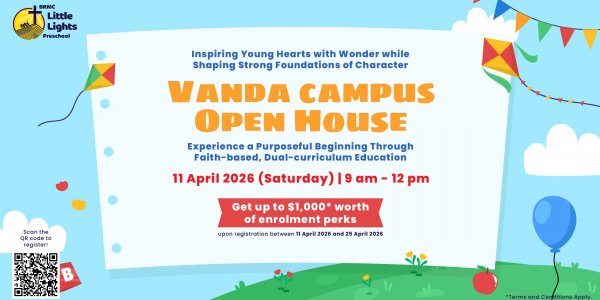
Before finalizing enrollment, schedule visits to your shortlisted centers. Many centers offer open houses or individual tours where you can observe the environment and ask questions. Some centers also conduct parent interviews or trial sessions for children before confirming enrollment.
Preparing Your Child for Childcare
Transitioning to childcare can be challenging for both children and parents. To ease this transition:
Discuss childcare positively with your child before they start
Establish a consistent goodbye routine
Consider a gradual transition period if the center allows it
Provide comfort items from home (if permitted)
Maintain open communication with teachers about your child’s adjustment
Conclusion
Finding the best childcare in Singapore is ultimately about matching your child’s needs with the right environment, curriculum, and caregivers. While factors like location, cost, and operating hours are practical considerations, the quality of care and the center’s educational approach should remain central to your decision.
Remember that the “best” childcare center isn’t necessarily the most expensive or the one with the most impressive facilities. Instead, it’s the one where your child feels secure, engaged, and supported in their development. Trust your observations during center visits and consider how well each option aligns with your family’s values and parenting philosophy.
With Singapore’s diverse range of childcare options, from government-subsidized centers to premium international preschools, parents can find suitable care arrangements across different budget levels and educational preferences. By thoroughly researching your options, visiting potential centers, and asking the right questions, you can make an informed choice that supports your child’s early development while meeting your family’s practical needs.
For comprehensive information on childcare centers across Singapore, including location-specific searches, parent reviews, and detailed program information, Skoolopedia offers valuable resources to simplify your search process.
Start your childcare search journey today with Skoolopedia, Singapore’s trusted education portal. Our comprehensive directory of preschools and childcare centers lets you filter by location, curriculum, and fees to find the perfect match for your child. Access parent reviews, open house schedules, and expert advice all in one place. Join our membership for exclusive resources and priority access to education events across Singapore.

Give your Opinions