

Table Of Contents
- Understanding Singapore’s Preschool Landscape
- Key Factors Affecting Preschool Fees
- Average Preschool Fees by District (2025)
- Comparison of Different Preschool Types and Their Fees
- Available Subsidies and Financial Assistance Schemes
- Hidden Costs to Consider
- Choosing the Right Preschool: Beyond the Fees
- Conclusion
Selecting the right preschool for your child in Singapore involves careful consideration of numerous factors, with cost being a significant concern for most families. As we move into 2025, preschool fees continue to vary widely across Singapore’s different districts, preschool types, and programs.
For parents navigating this important decision, understanding the current fee landscape is essential for financial planning. Whether you’re looking at PCF centers, MOE kindergartens, private preschools, or international programs, this comprehensive guide breaks down the average preschool fees across all Singapore districts for 2025.
We’ve analyzed data from hundreds of preschools across the island to provide you with the most accurate and up-to-date information, helping you make an informed decision that balances quality education with budget considerations. Beyond just the numbers, we’ll explore what influences these costs, available subsidies, and how to evaluate preschools beyond their price tags.
Understanding Singapore’s Preschool Landscape
Singapore’s early childhood education sector features several types of preschools, each with distinct fee structures. Before diving into specific costs by district, it’s important to understand the main categories:
Government-supported preschools include PCF Sparkletots and MOE Kindergartens. These typically offer more affordable options with standardized programming and are heavily subsidized for Singaporean citizens.
Private preschools encompass a wide range of operators, from standalone centers to larger chains like MindChamps, EtonHouse, and Busy Bees. These generally charge higher fees but may offer specialized curricula, smaller class sizes, or premium facilities.
Anchor operators (AOPs) like NTUC First Campus’ My First Skool and PCF Sparkletots receive government funding to keep fees affordable while maintaining quality standards.
International preschools cater primarily to expatriate families and typically charge the highest fees, often incorporating foreign curricula and languages.
In 2025, Singapore parents can expect to pay anywhere from $300 to over $2,500 monthly for full-day preschool programs, depending on the type of institution, location, and additional services offered.
Key Factors Affecting Preschool Fees
Several factors influence the significant variation in preschool fees across Singapore:
Location and property costs: Preschools in prime districts with higher rental costs typically charge more. Central districts tend to have the highest fees, while outlying areas may be more affordable.
Curriculum offered: Specialized curricula such as Montessori, Reggio Emilia, or bilingual programs usually command premium pricing due to specialized teacher training and materials.
Teacher qualifications: Centers employing teachers with higher qualifications or international experience generally charge more to cover higher salary costs.
Facilities and resources: Preschools with extensive facilities like swimming pools, dedicated art studios, or outdoor play areas tend to charge higher fees to maintain these amenities.
Program duration: Full-day programs naturally cost more than half-day options, with extended care services adding to the total cost.
Additional services: Many preschools offer supplementary services like meals, transport, enrichment programs, or field trips at extra cost.
Average Preschool Fees by District (2025)
Let’s examine the average monthly full-day preschool fees across Singapore’s different regions and districts. These figures represent the median costs before subsidies for Singaporean children.
Central Region (Districts 1-4, 9-11)
The Central Region encompasses prime areas like Orchard, Tanglin, Bukit Timah, and Newton, typically commanding the highest preschool fees in Singapore:
District 1 (Raffles Place, Marina, Cecil): $1,800-$2,400 for private preschools; $700-$900 for anchor operators
District 2 (Tanjong Pagar, Chinatown): $1,700-$2,300 for private preschools; $700-$900 for anchor operators
District 3 (Alexandra, Commonwealth): $1,600-$2,200 for private preschools; $650-$850 for anchor operators
District 4 (Harbourfront, Telok Blangah): $1,500-$2,100 for private preschools; $650-$850 for anchor operators
District 9 (Orchard, River Valley): $1,900-$2,500 for private preschools; $750-$950 for anchor operators
District 10 (Tanglin, Holland, Bukit Timah): $1,900-$2,500 for private preschools; $750-$950 for anchor operators
District 11 (Newton, Novena): $1,800-$2,400 for private preschools; $700-$900 for anchor operators
International preschools in these central districts often charge between $2,000-$3,500 monthly, with some premium options exceeding $4,000.
East Region (Districts 14-16, 18)
The East Region includes popular residential areas like Marine Parade, Katong, and Tampines:
District 14 (Geylang, Paya Lebar): $1,400-$1,900 for private preschools; $600-$800 for anchor operators
District 15 (Marine Parade, East Coast): $1,500-$2,000 for private preschools; $650-$850 for anchor operators
District 16 (Bedok, Upper East Coast): $1,300-$1,800 for private preschools; $600-$800 for anchor operators
District 18 (Tampines, Pasir Ris): $1,200-$1,700 for private preschools; $550-$750 for anchor operators
MOE Kindergartens in the East Region typically charge $300-$400 for full-day programs before subsidies.
Northeast Region (Districts 19-20, 28)
This region includes Serangoon, Ang Mo Kio, and Sengkang:
District 19 (Serangoon, Hougang, Punggol): $1,200-$1,700 for private preschools; $550-$750 for anchor operators
District 20 (Bishan, Ang Mo Kio): $1,300-$1,800 for private preschools; $600-$800 for anchor operators
District 28 (Sengkang, Punggol): $1,100-$1,600 for private preschools; $550-$750 for anchor operators
The Northeast region has seen significant development of anchor operator preschools in recent years, providing more affordable options for growing families in these newer estates.
North Region (Districts 25-27)
The North Region encompasses Woodlands, Yishun, and parts of Sembawang:
District 25 (Admiralty, Woodlands): $1,100-$1,600 for private preschools; $550-$750 for anchor operators
District 26 (Upper Thomson, Springleaf): $1,200-$1,700 for private preschools; $600-$800 for anchor operators
District 27 (Yishun, Sembawang): $1,000-$1,500 for private preschools; $500-$700 for anchor operators
This region generally offers more affordable preschool options compared to central areas, with several new government-supported preschools opening to meet growing demand.
West Region (Districts 5-8, 21-24)
The West includes Clementi, Jurong, and Bukit Batok:
District 5 (Buona Vista, West Coast, Clementi): $1,400-$1,900 for private preschools; $600-$800 for anchor operators
District 6 (City Hall, Clarke Quay): $1,800-$2,300 for private preschools; $700-$900 for anchor operators
District 7 (Beach Road, Bugis, Rochor): $1,600-$2,100 for private preschools; $650-$850 for anchor operators
District 8 (Little India, Farrer Park): $1,500-$2,000 for private preschools; $650-$850 for anchor operators
District 21 (Upper Bukit Timah, Clementi Park): $1,400-$1,900 for private preschools; $600-$800 for anchor operators
District 22 (Jurong, Boon Lay): $1,100-$1,600 for private preschools; $550-$750 for anchor operators
District 23 (Hillview, Bukit Panjang, Choa Chu Kang): $1,200-$1,700 for private preschools; $550-$750 for anchor operators
District 24 (Lim Chu Kang, Tengah): $1,000-$1,500 for private preschools; $500-$700 for anchor operators
Areas like Jurong East have seen increasing preschool fees as the area develops into a secondary business district.
Comparison of Different Preschool Types and Their Fees
Understanding the fee differences between various preschool types can help parents make more informed choices:
MOE Kindergartens: With monthly fees ranging from $300-$400 for full-day programs (before subsidies), these offer one of the most affordable options. They focus on the Nurturing Early Learners (NEL) curriculum and typically operate within primary school compounds.
PCF Sparkletots: As Singapore’s largest preschool operator, PCF centers charge between $500-$800 for full-day programs. These community-based preschools offer standardized curriculum and have centers throughout the island.
Anchor Operators (My First Skool, etc.): These government-supported operators maintain fee caps in exchange for subsidies. Full-day programs typically cost $550-$900 depending on location.
Private Preschools: Non-anchor private preschools have more flexibility in their fee structures. Mid-range private preschools charge approximately $1,200-$1,800, while premium providers with specialized curricula may charge $1,800-$2,500+.
International Preschools: Catering mainly to expatriate families, these typically charge $2,000-$3,500 monthly, with some premium institutions exceeding $4,000. They often feature foreign curricula and multilingual programs.
When comparing fees, parents should consider that most Singaporean citizens qualify for government subsidies that can significantly reduce these costs, particularly for anchor operators and MOE kindergartens.
Available Subsidies and Financial Assistance Schemes
The Singapore government offers substantial support to make preschool education more affordable:
Basic Subsidy: All Singaporean children receive a basic subsidy of up to $600 for full-day childcare programs, regardless of household income.
Additional Subsidy: Families with monthly household incomes below $12,000 can receive additional subsidies of up to $710, depending on income level.
Kindergarten Fee Assistance Scheme (KiFAS): Provides fee assistance to lower and middle-income families sending children to eligible kindergartens.
Early Childhood Development Agency (ECDA) Financial Assistance: Additional support for families facing financial hardship who need help even after existing subsidies.
Child Development Account (CDA) First Step: The government provides an initial $3,000 deposit in the child’s CDA, which can be used for preschool fees.
Baby Bonus Scheme: Provides up to $10,000 in cash gifts and government matching for CDA savings, which can be used for preschool expenses.
With the maximum subsidies, families with lower incomes may pay as little as $1-$3 per day for anchor operator preschools, making quality early childhood education accessible across income levels.
To check your eligibility for these subsidies, you can use the preschool subsidy calculator on Skoolopedia or visit the ECDA website for detailed information.
Hidden Costs to Consider
Beyond the published monthly fees, parents should budget for several additional costs when planning for preschool:
Registration fees: One-time fees ranging from $50-$500 depending on the preschool.
Deposit: Typically one month’s fee, refundable upon withdrawal with sufficient notice.
Uniform costs: Most preschools require specific uniforms costing $60-$150 annually.
Material fees: Some centers charge $100-$300 annually for learning materials and supplies.
Field trip expenses: Occasional outings may cost $20-$50 each.
Insurance: Some preschools require student insurance coverage, typically $30-$80 annually.
Optional enrichment: Additional programs like music, dance, or sports may cost $150-$400 per term.
Late pickup fees: Charges for collecting children after operating hours, typically $10-$30 per half hour.
These additional costs can add 10-20% to the annual expense of preschool education, so it’s important to inquire about all potential fees during the selection process.
Choosing the Right Preschool: Beyond the Fees
While cost is an important consideration, parents should evaluate preschools holistically:
Location convenience: Consider travel time and accessibility, as a convenient location near home or work makes daily commutes easier. You can find preschools near MRT stations to simplify your daily routine.
Curriculum approach: Different philosophies (play-based, Montessori, Reggio Emilia, academic) suit different children. Understand each approach to find the best match for your child’s learning style.
Teacher qualifications: Ask about teacher certification, experience, and staff turnover rates, as consistent, qualified teaching staff create a better learning environment.
Class size and teacher-student ratio: Smaller class sizes and better ratios typically mean more individualized attention for your child.
Operating hours: Ensure the center’s hours align with your work schedule, including any extended care options if needed.
Environment and facilities: Visit the preschool to assess cleanliness, safety measures, outdoor spaces, and learning resources.
Parent communication: Understand how the preschool keeps parents informed about their child’s progress and development.
Testimonials: Seek reviews from current and former parents to gauge satisfaction levels. Skoolopedia’s Parents’ Choice Awards can help identify highly-rated centers in your district.
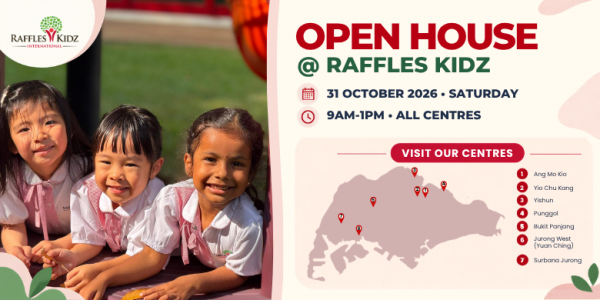
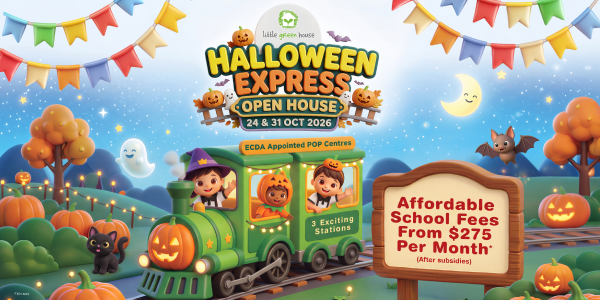
Parents are encouraged to tour multiple preschools and, if possible, arrange for trial sessions before making their final decision. Many centers offer virtual tours or open houses, which can be found in Skoolopedia’s event listings.
Remember that the most expensive option isn’t always the best fit for your child. Focus on finding a nurturing environment that matches your child’s personality and learning needs while fitting your family’s practical requirements.
For working parents, you might also want to explore student care centers for when your child transitions to primary school, as many offer similar convenience factors to consider.
After preschool hours, many children benefit from additional enrichment programs that complement their early education and develop specific talents or interests.
Conclusion
Preschool fees in Singapore vary significantly across districts, with central areas commanding premium prices while outlying regions offer more affordable options. In 2025, parents can expect to pay anywhere from $300 to $2,500+ monthly depending on the type of preschool, location, and specific program chosen.
The good news is that Singapore’s robust subsidy system makes quality early childhood education accessible to families across income levels. With proper planning and research, parents can find preschools that balance quality, convenience, and affordability.
When evaluating preschool options, look beyond the price tag to consider the curriculum approach, teacher qualifications, environment, and how well the center aligns with your family’s values and your child’s needs. Remember that the most suitable preschool isn’t necessarily the most expensive one.
Taking time to visit multiple centers, speak with administrators and teachers, and observe classroom dynamics will help ensure you find a preschool where your child can thrive during these crucial developmental years.
As you navigate this important decision, resources like Skoolopedia can provide valuable information on preschool options, reviews from other parents, and tools to compare centers in your preferred districts.
Find the Perfect Preschool for Your Child
Ready to explore preschool options in your district? Skoolopedia offers Singapore’s most comprehensive preschool directory with parent reviews, up-to-date fee information, and easy filtering by location.
Give your Opinions